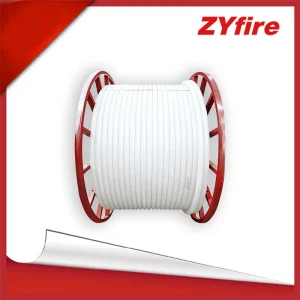
Zyfire High-Flow Rtp Spoolable Pipe for Oil, Gas & Slurry Lines

Customization: Available
Material: Aramid-Fiber-Glass-Fiber-Polyester-Polyethylene
Capability: Oil Gathering Pipe

Product Description

📋 Basic Specifications
Model NO.
Rubber
Color
White
Application
Oil & Gas Gathering
Pipe Specifications
2"-8"(50mm-200mm)
Media Temperature
up to 130°C(266°F)
Liner Layer
PE100, PE-Rt I, PE-X, PA, etc.
Origin
China
HS Code
3901300000
🚀 Product Description
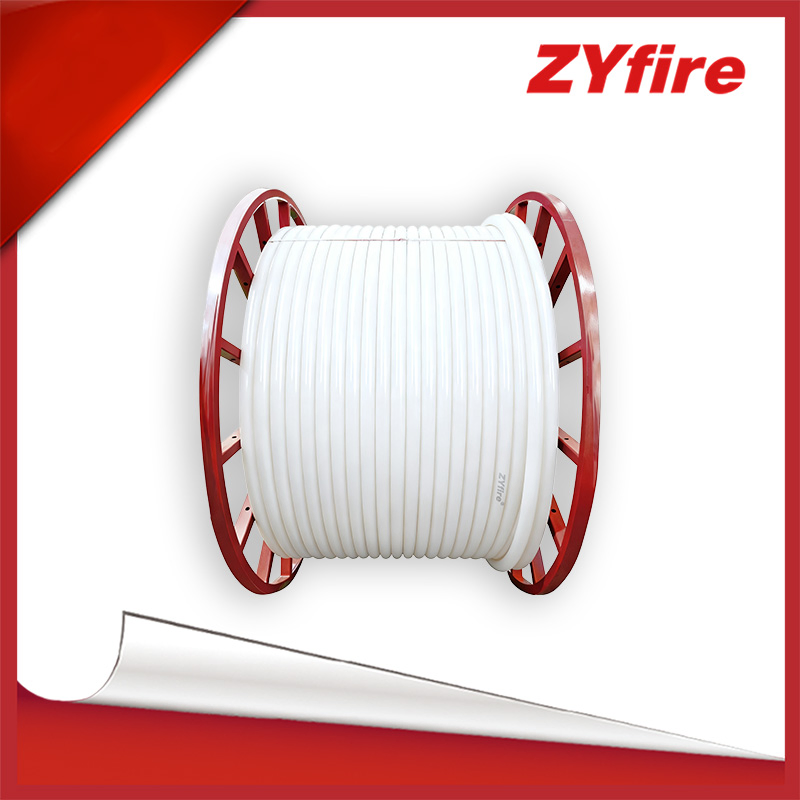
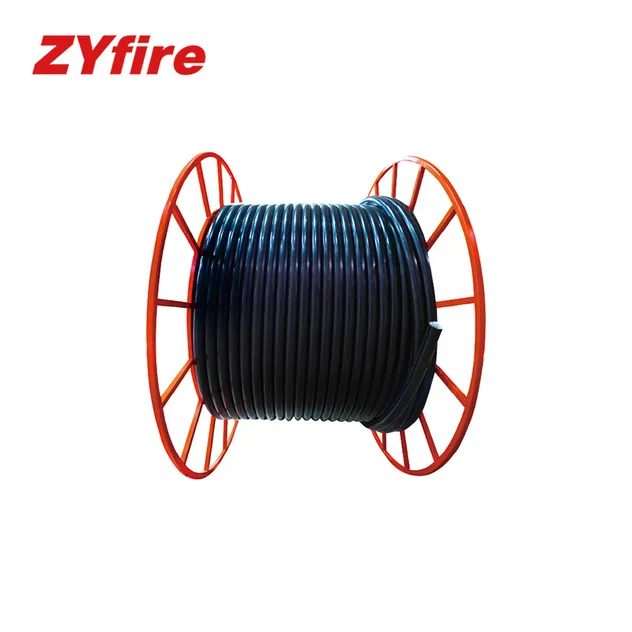
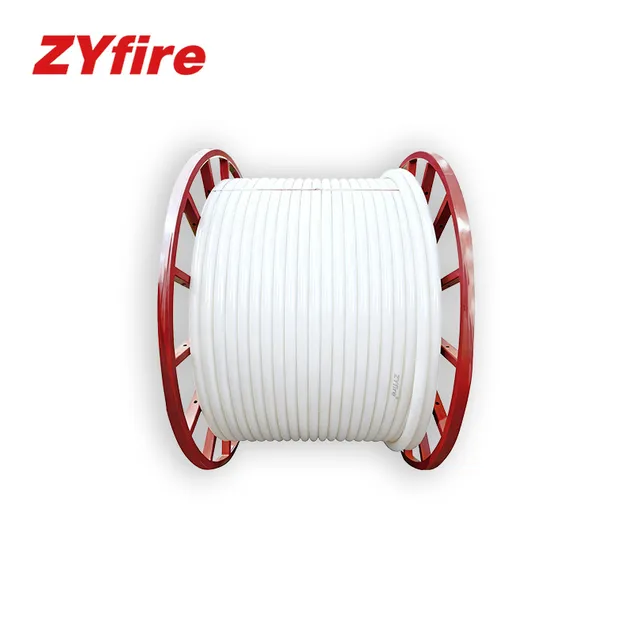
RTP Spoolable Pipe
RTP Pipe Details
RTP Pipe Material

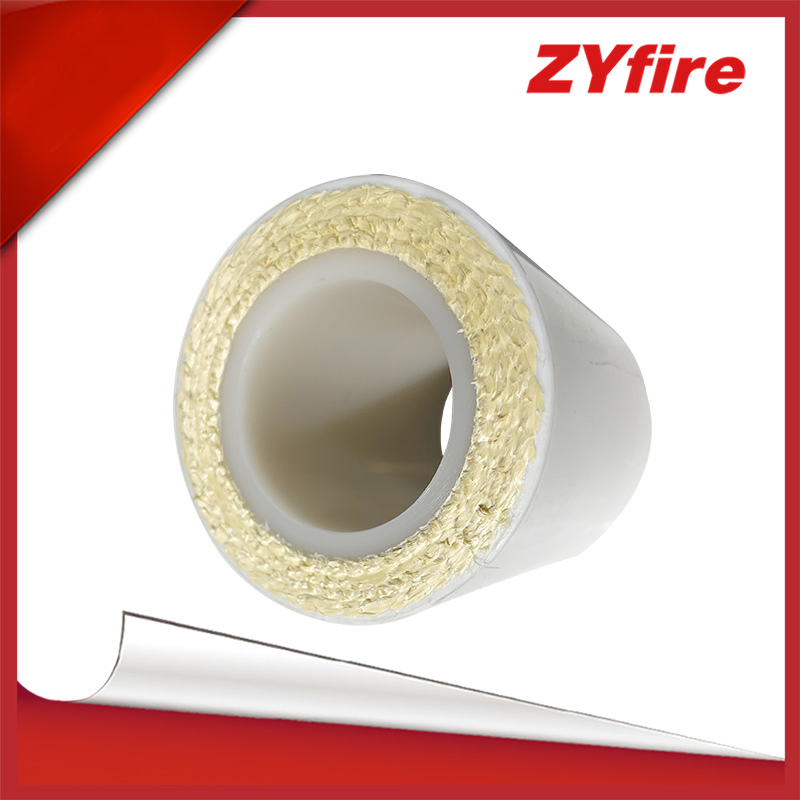
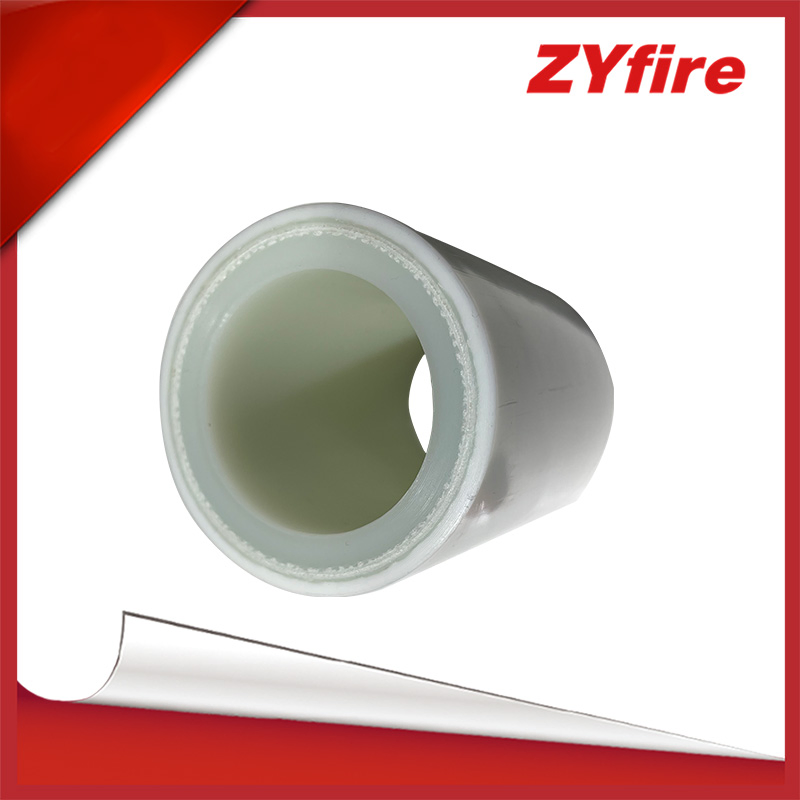
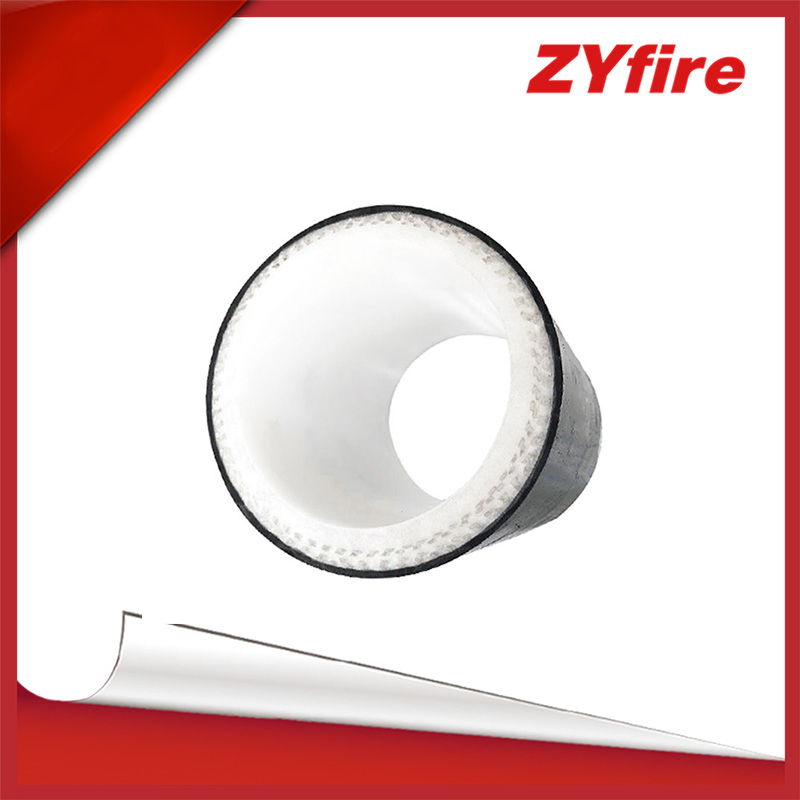
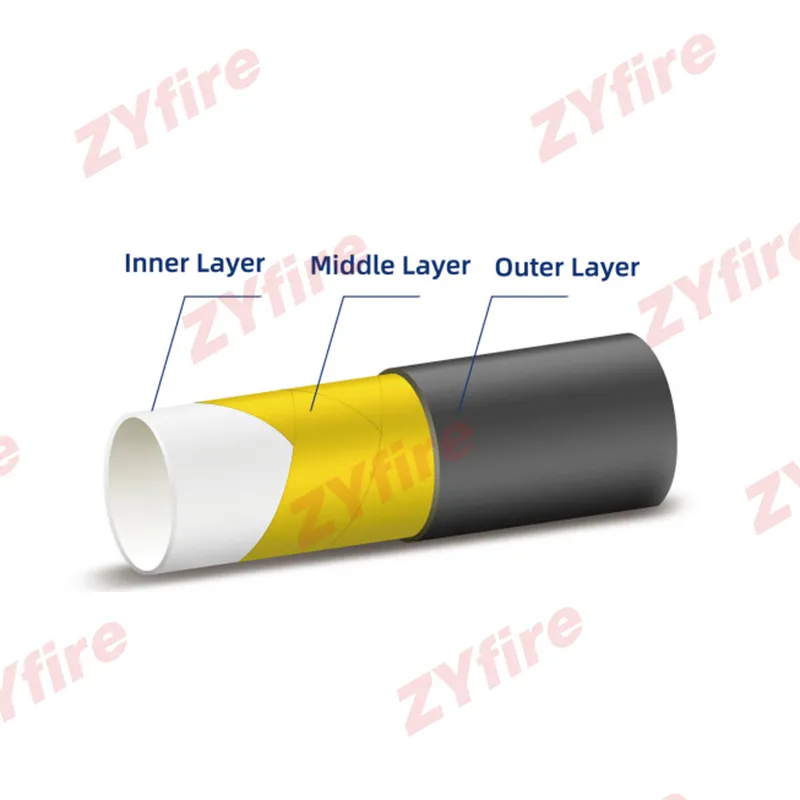
Coilable Reinforced Thermoplastic Pipes (Reinforced Thermoplastic Pipes, referred to as RTP) are composite pipes consisting of a medium transmission layer made of polyethylene, cross-linked polyethylene, or heat-resistant polyethylene. The reinforcement layer is formed by unidirectional polyester industrial filaments, aramid fibers, fiberglass, or steel wires (ropes) combined with thermoplastic matrix resin.

These materials are continuously spirally wound in left and right directions and heated to form a mesh-like skeleton. The outer protective layer is made of polyethylene or heat-resistant polyethylene. The entire structure is bonded and formed through extrusion, resulting in a continuous, cohesive pipe.

Production Video Cover
Industrial Application Banner
Spoolable RTP

Key Engineering Benefits:

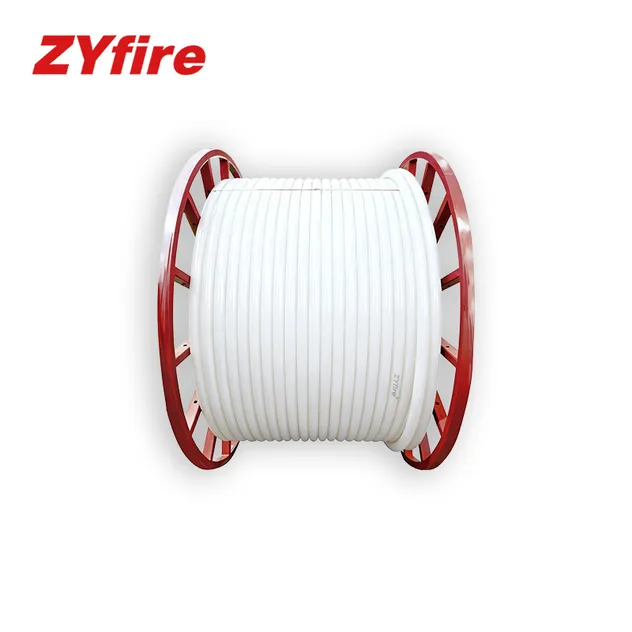
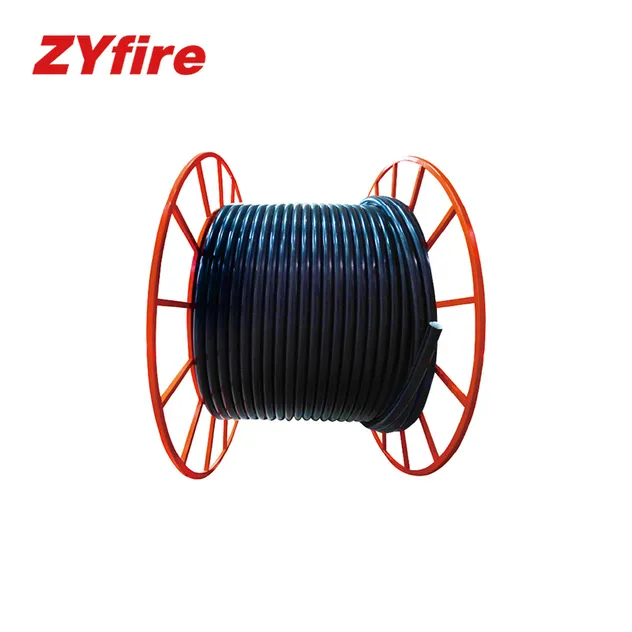
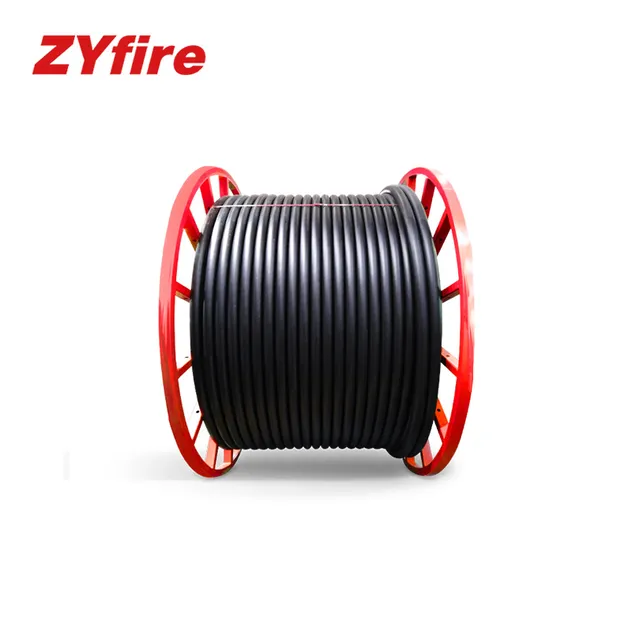
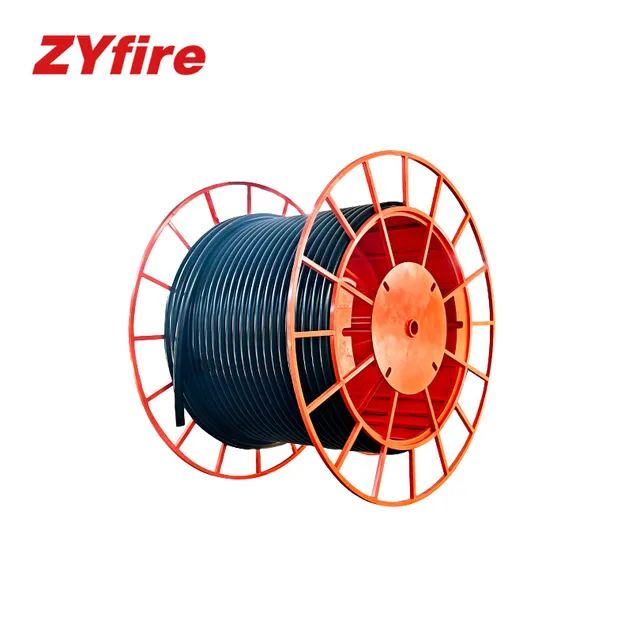
The spoolable design allows for incredibly long continuous lengths, reducing the number of joints and significantly lowering installation time and costs compared to traditional steel piping. Suitable for oil, gas, and slurry line applications.
RTP Testing
RTP Quality Control
RTP Storage
Pipe Loading Technical Specifications Chart
🏭 Manufacturing & Technology

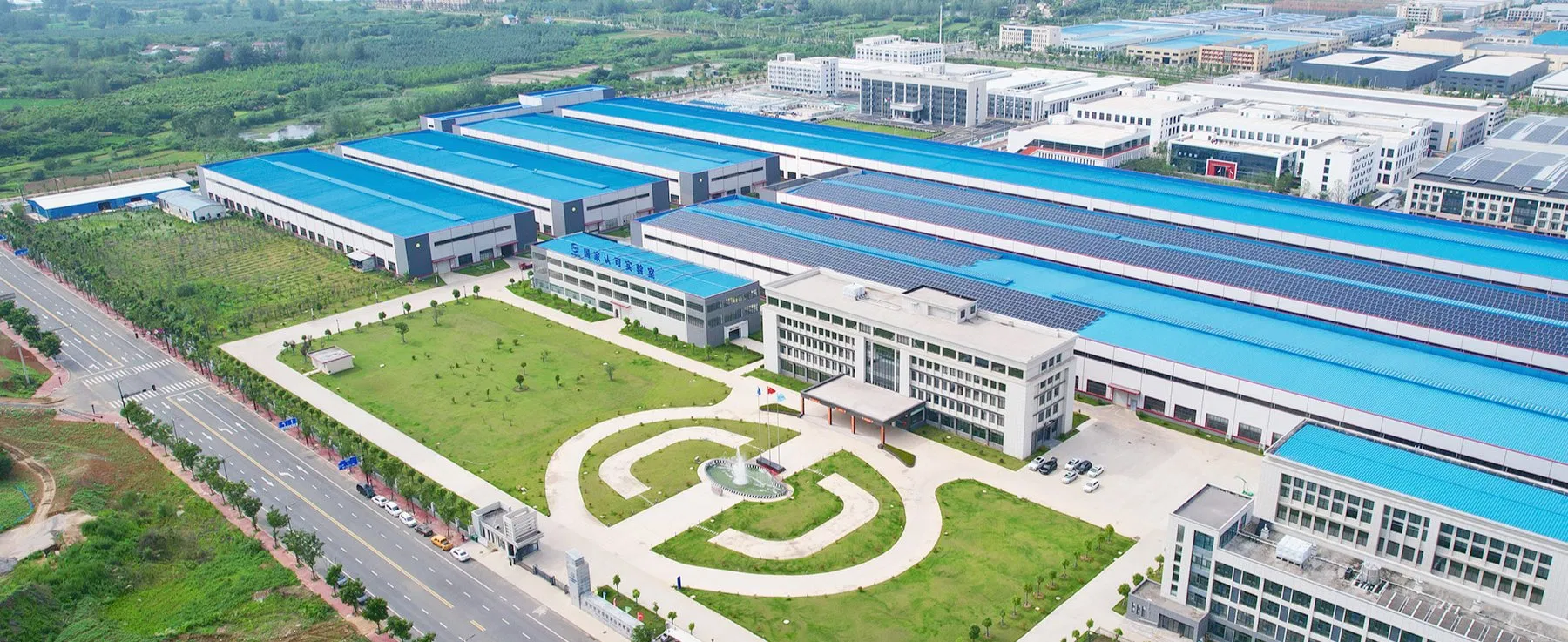
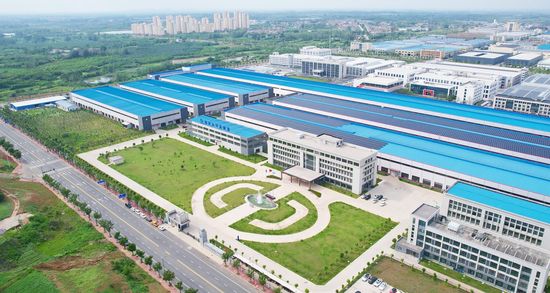
The company focuses on the research, development, production and sales of flexible reinforced thermoplastic composite pipe RTP. The original core technology realizes the construction of the key process structure of the product. With a focus on technological innovation, the production lines utilize intelligent high-end equipment.

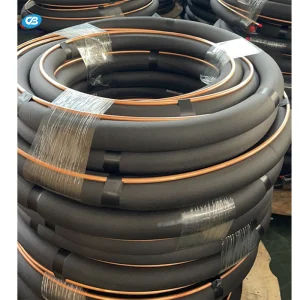
Main products including RTP, layflat polyurethane hoses, and wear-resistant composite steel pipes are widely used in oil and gas extraction, mineral development, slurry transportation, and emergency rescue across more than 70 countries.
Frequently Asked Questions (FAQ)

Q1: What materials are used in the liner layer of RTP?
A1: The liner can be made of PE100, PE-Rt I, PE-X, or PA, depending on the specific application and media requirements.
Q2: What is the maximum temperature the RTP can withstand?
A2: It can withstand temperatures up to 130°C (266°F), highly dependent on the choice of materials used in the layers.
Q3: In which industries are these pipes primarily used?
A3: They are widely used in oil and gas gathering, slurry transportation, mineral development, and municipal engineering.
Q4: How is the RTP reinforcement layer constructed?
A4: It is formed by spirally winding polyester filaments, aramid fibers, fiberglass, or steel wires combined with a thermoplastic resin.
Q5: What are the installation methods for spoolable RTP?
A5: These pipes can be successfully installed either buried below the frost layer or surface-laid, offering great flexibility.
Q6: What certifications do these piping products hold?
A6: The manufacturing processes are certified under ISO9001, ISO14001, ISO45001, and meet American Petroleum Institute standards.

Related Products