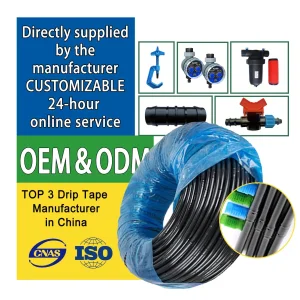
💧 Product Overview
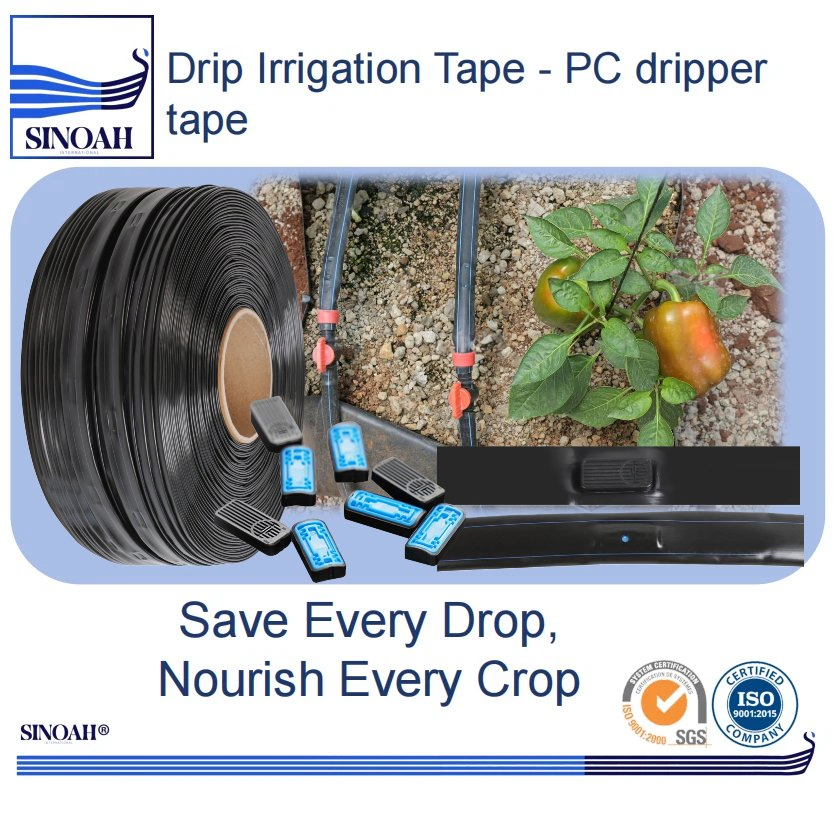
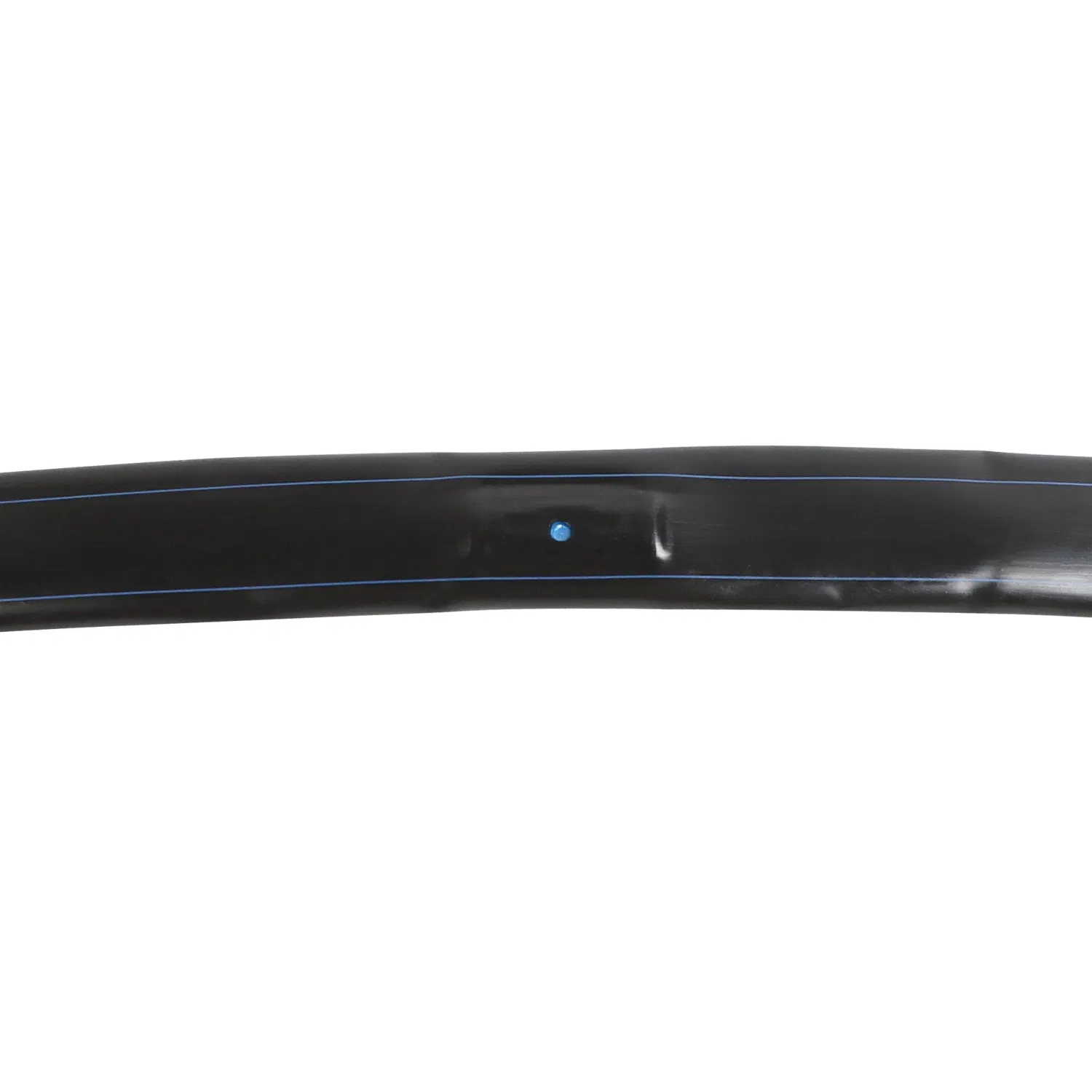
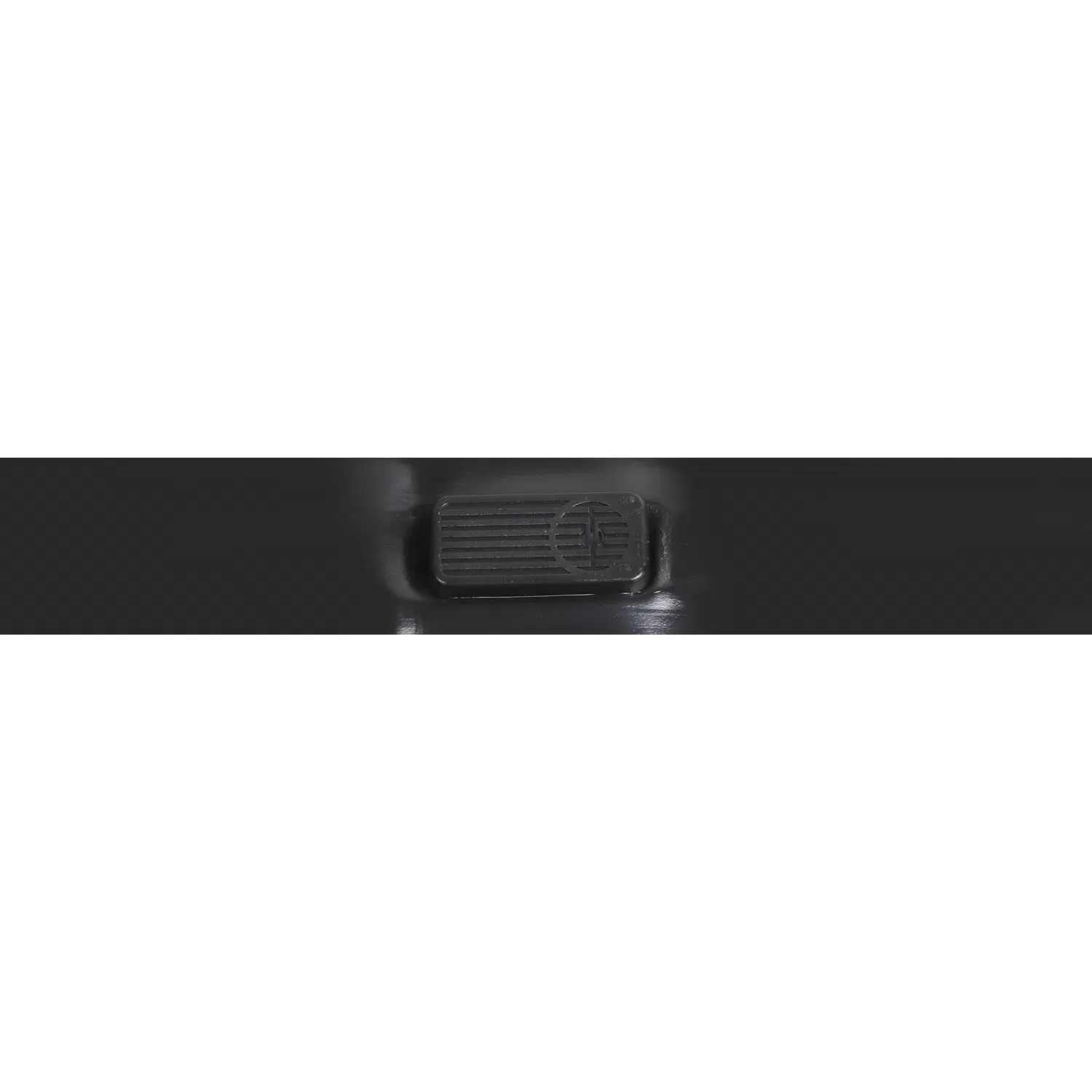
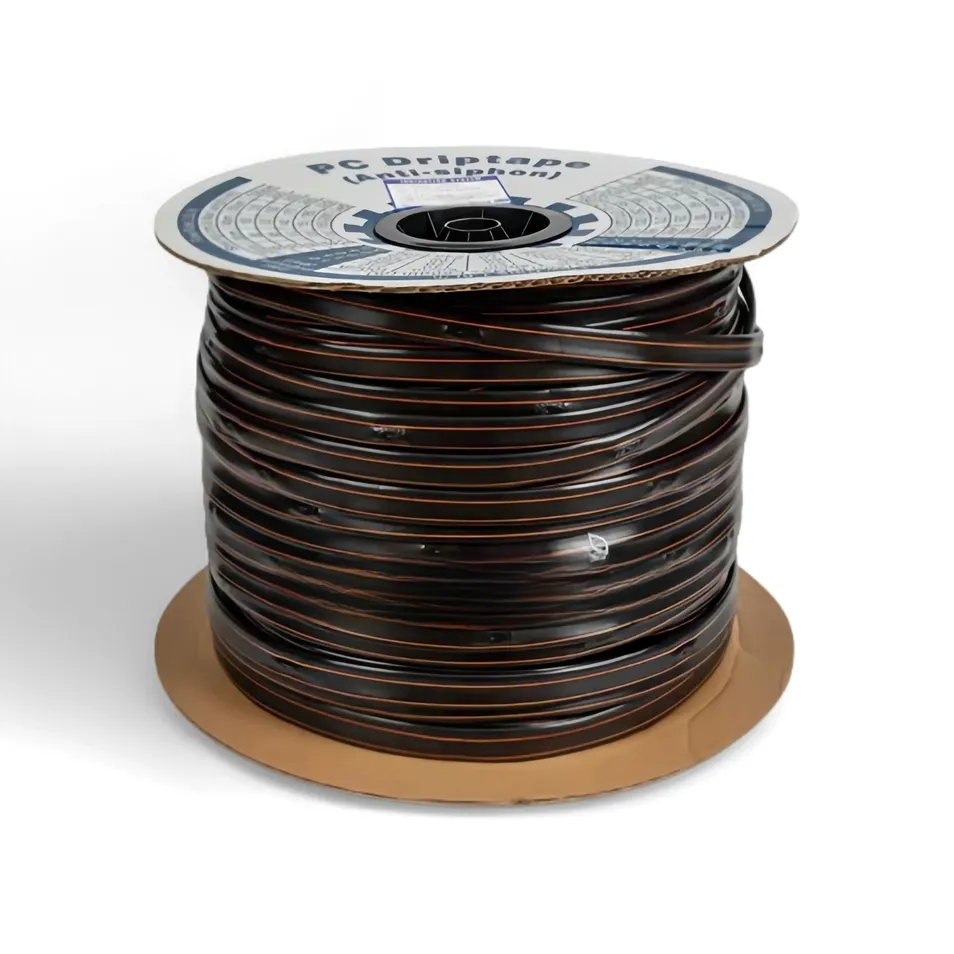
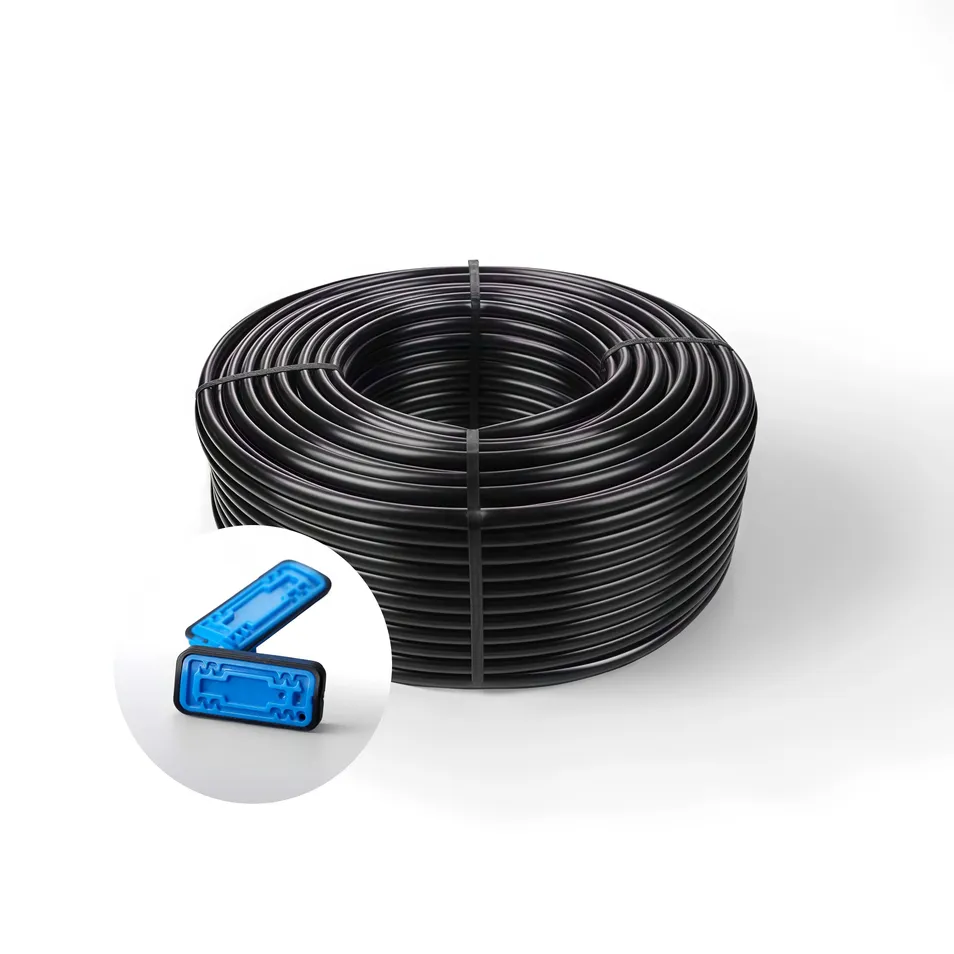
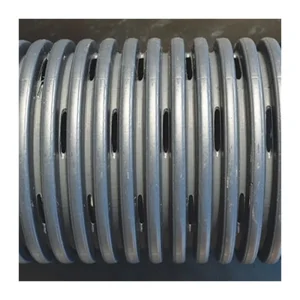
The built-in flat dripper pressure-compensating drip irrigation pipe features a specialized compensation structure. This design ensures a consistent flow within a specified pressure range, effectively addressing issues caused by uneven terrain or variations in crop growth, providing uniform water distribution.
Key Features
- One-time extrusion molding for maximum durability.
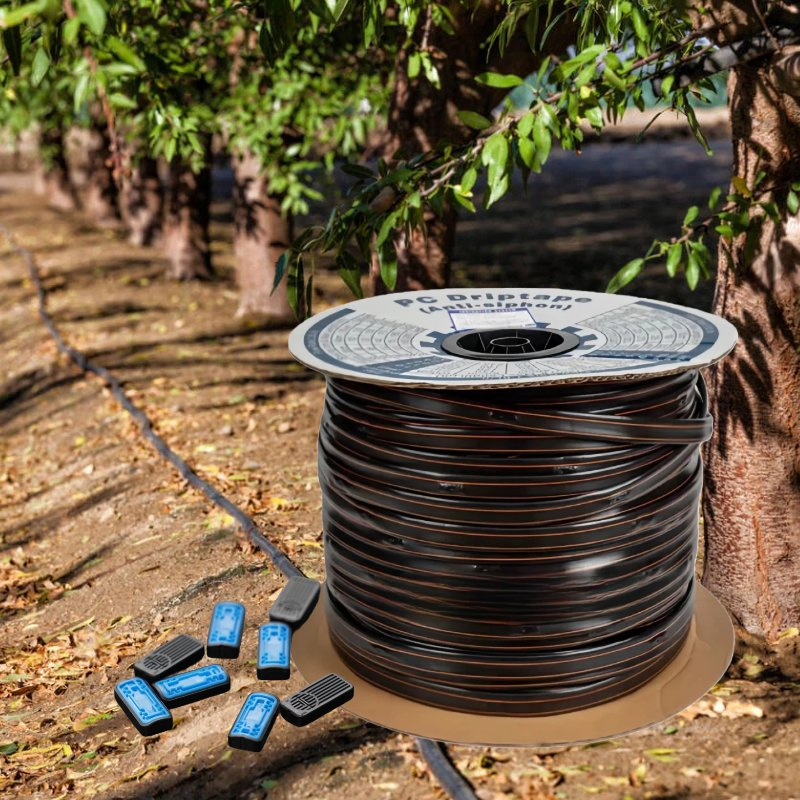
- Built-in labyrinth flow channel and silicone sheet for stable pressure compensation.
- Long filter water inlet offers excellent anti-clogging properties.
- Anti-siphon mechanism prevents debris entry, ideal for buried irrigation.
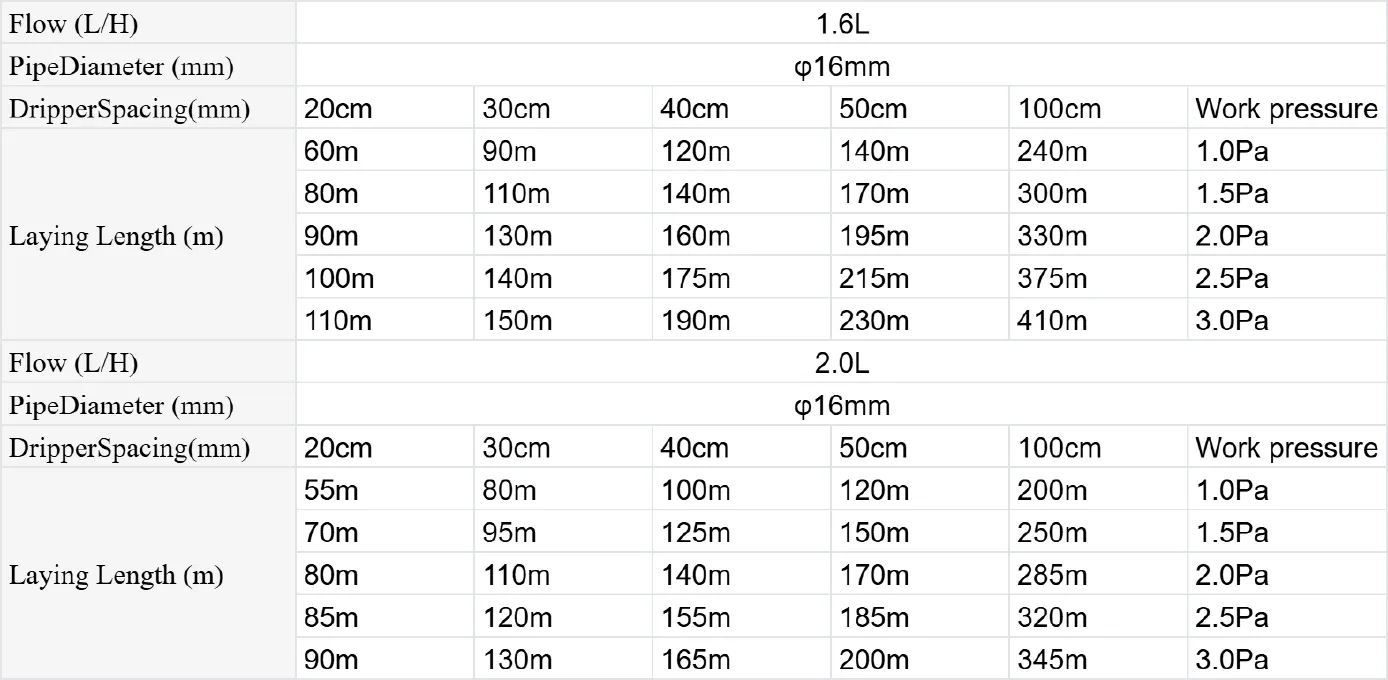
- Consistent water output even over long installation lengths.
🌱 Applications & Advantages
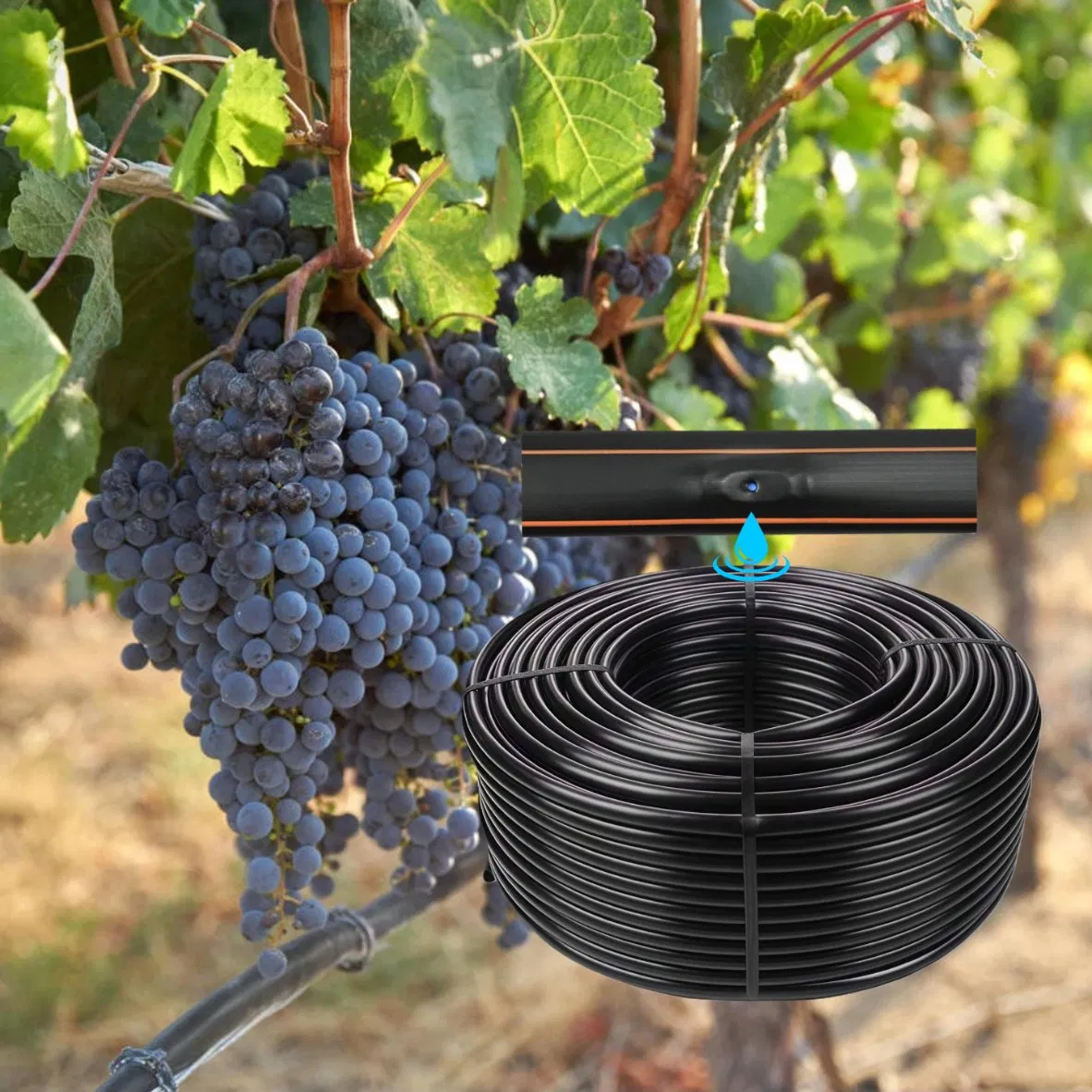
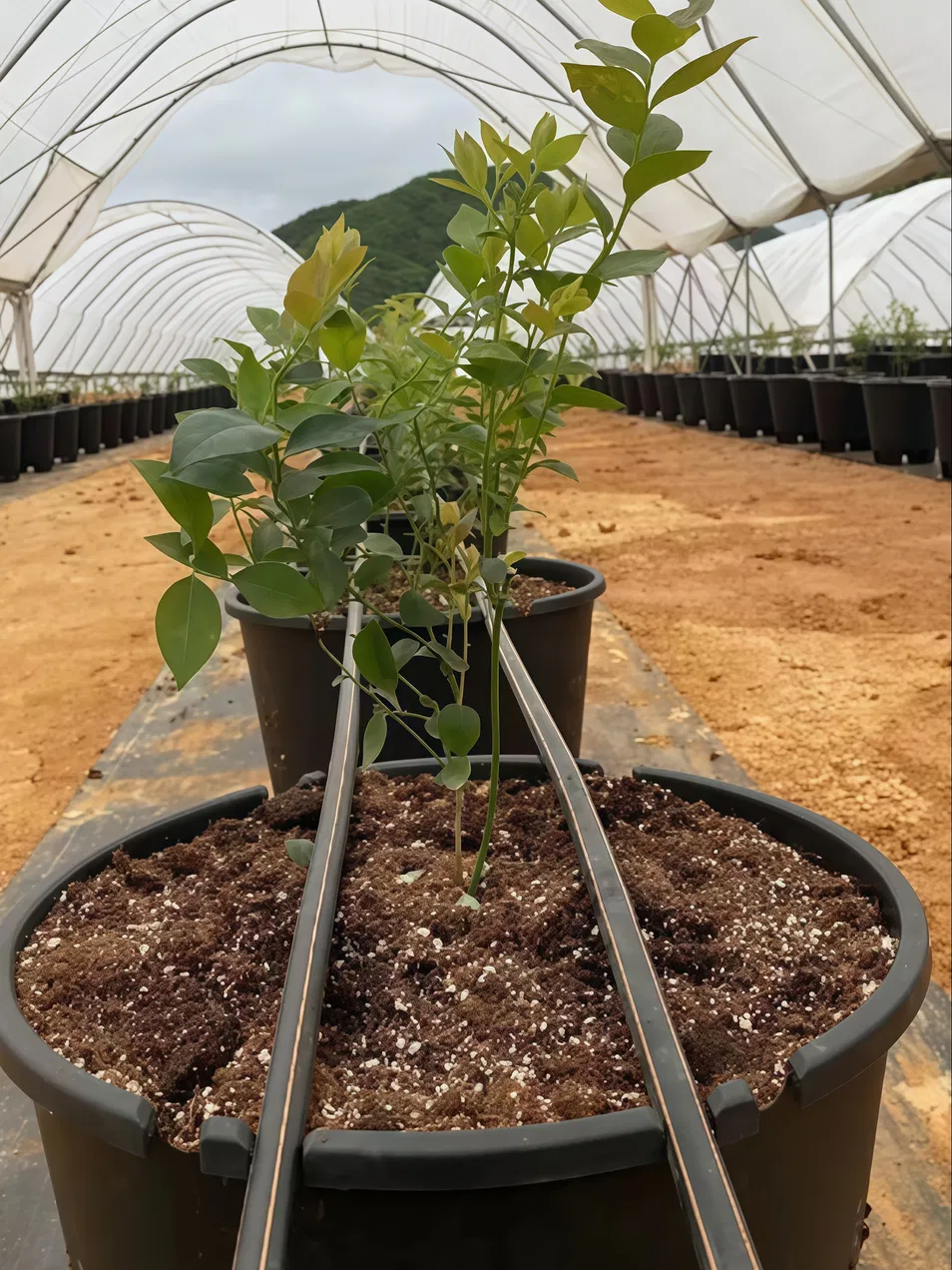
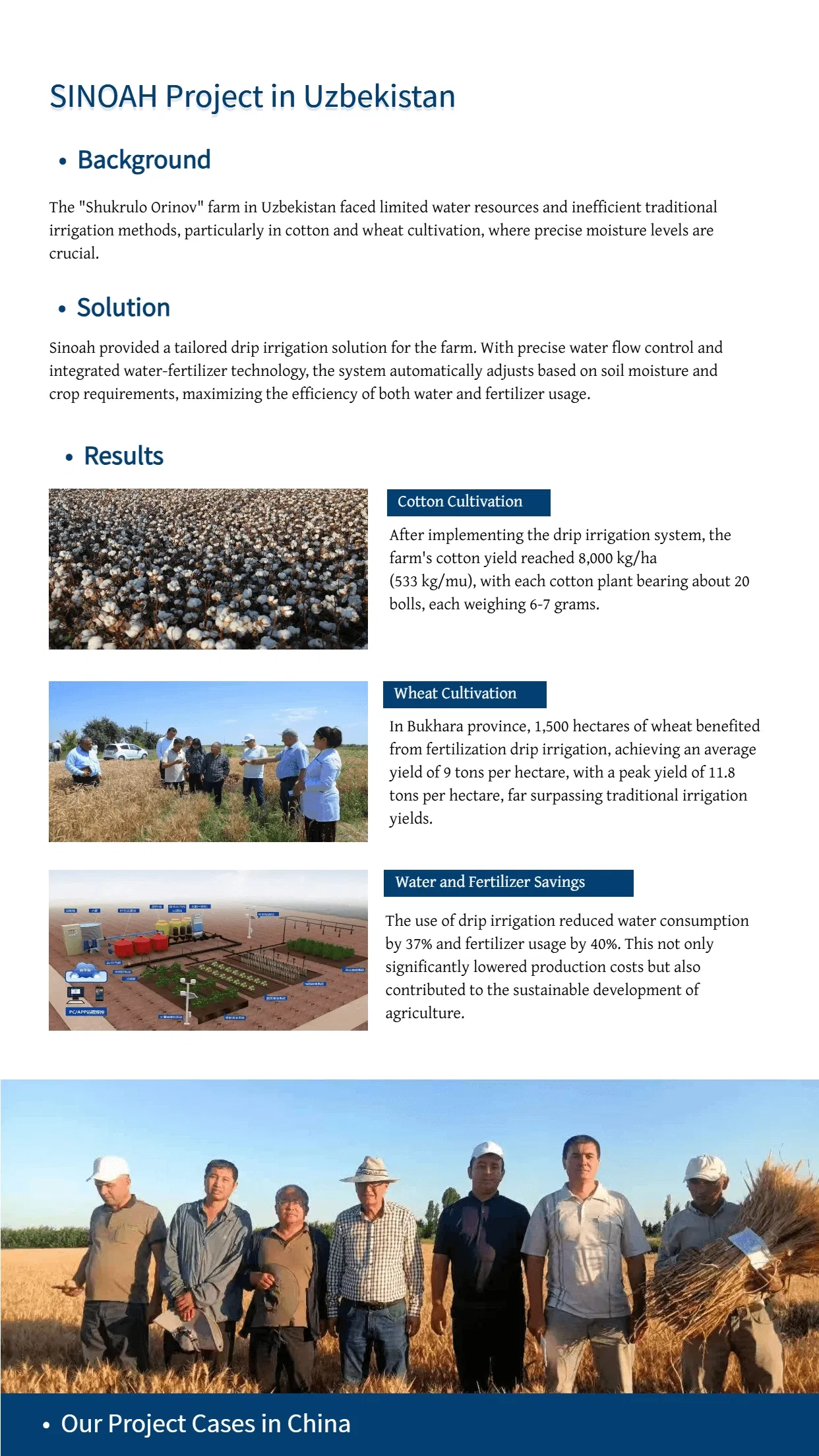
Ideal for greenhouses, orchards, vineyards, and nurseries. It is perfectly suited for uneven terrain, unstable pressure systems, and large-scale buried irrigation projects.
Subsurface Drip Irrigation (SDI) Benefits
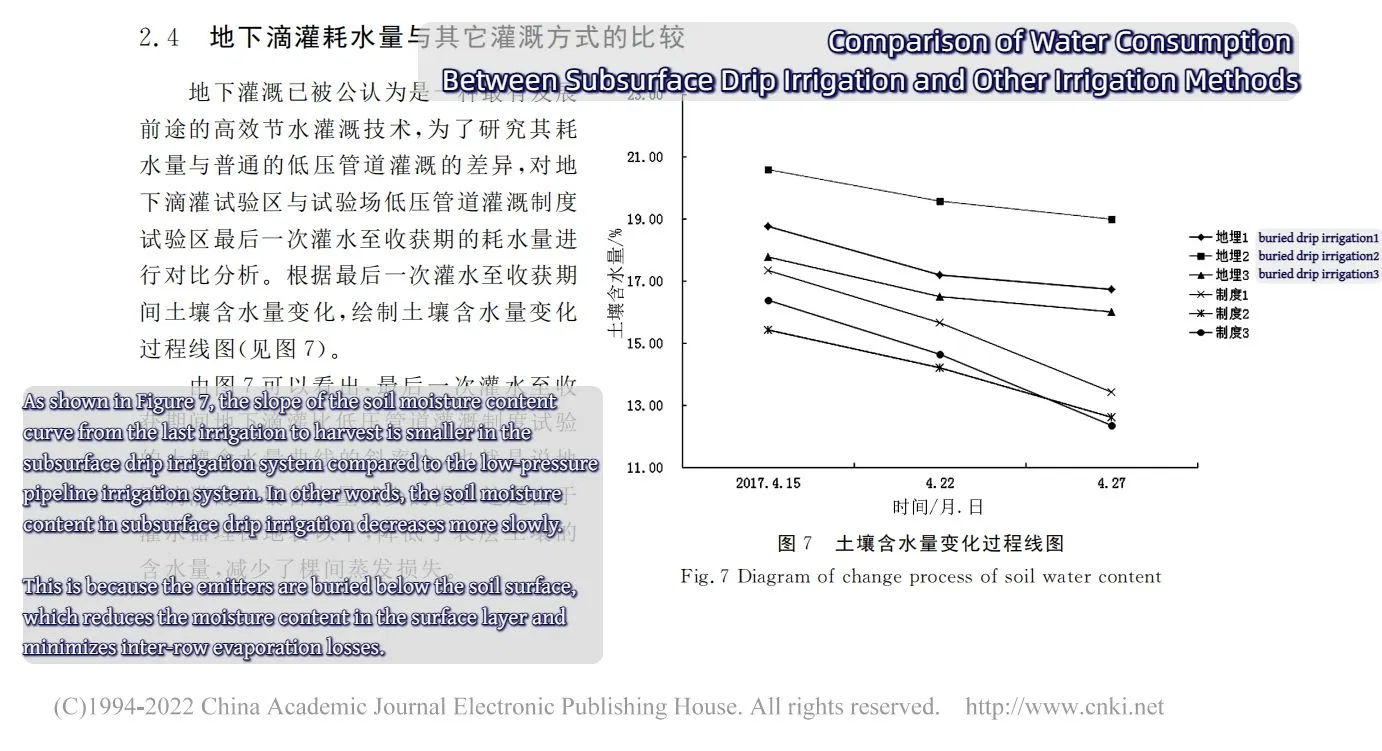
- Efficient Water Use: Eliminates surface evaporation, saving up to 45% more water than sprinklers.
- Root Health: Encourages deep root penetration as plants "chase" moisture underground.
- Reduced Maintenance: Minimizes weed growth and soil erosion by applying water directly to the root zone.
⚙️ SDI System Components
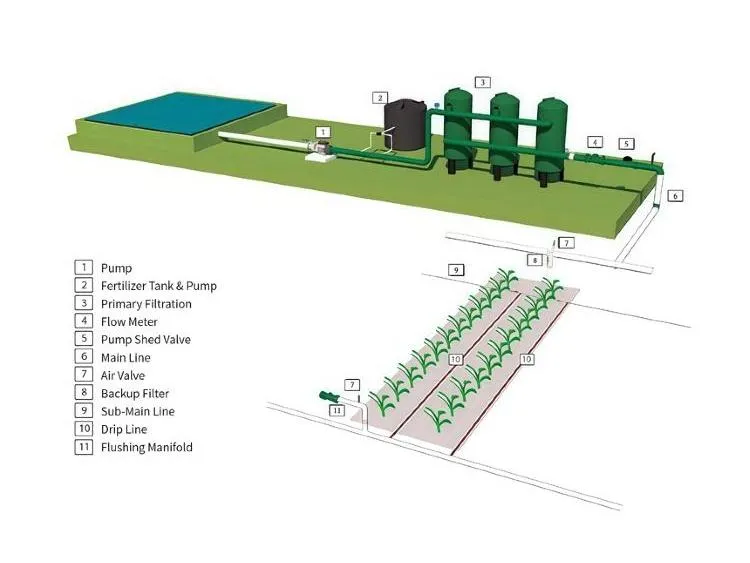
A complete system includes high-efficiency filters, control valves, fertigation equipment, and high-resistance drip laterals designed to prevent clogging over multiple seasons.
❓ Frequently Asked Questions
Q1: Can drip tapes be buried underground?
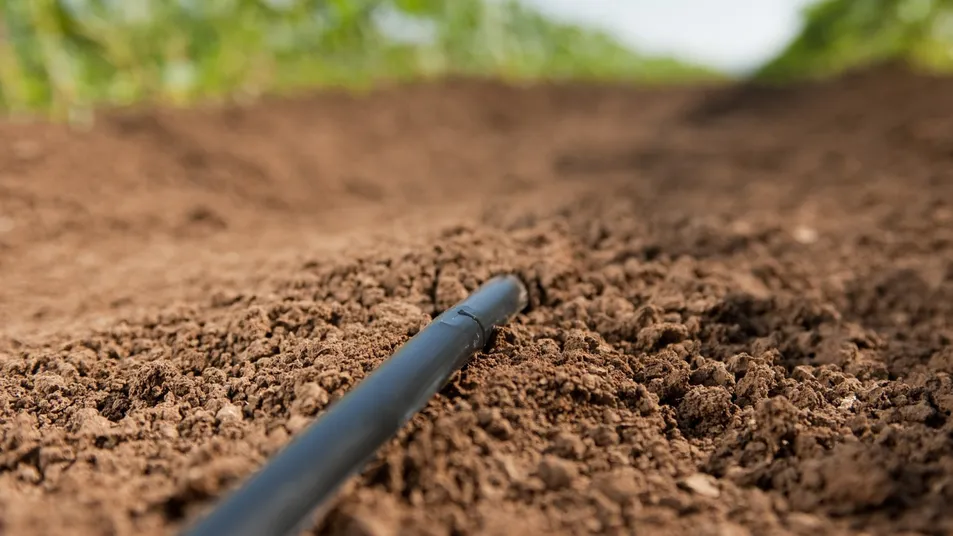
Yes. Drip tapes can be placed on the surface or buried underground (subsurface drip irrigation). When buried, ensure the emitters face upwards to prevent clogging.
Q2: Why must drip tapes operate under low pressure?
Drip tapes have thin walls designed for efficiency; high pressure can cause rupture. We recommend using pressure regulators to stay within the 8–15 PSI range.
Q3: Can these be used on sloped terrain?
For slopes greater than 3%, pressure-compensating (PC) drip tapes are required to maintain uniform water distribution across different elevations.
Q4: How long does the drip tape typically last?
Lifespan depends on thickness: 6 mil tapes usually last 1 season, while 10–15 mil tapes can last 3–5 years with proper maintenance and UV protection.
Q5: Is a filtration system mandatory?
Yes. We strongly recommend a 150-200 mesh filter to prevent sand, dirt, and organic matter from clogging the precision emitters.
Q6: Are these tapes compatible with automated systems?
Absolutely. They can be integrated with solenoid valves, timers, and automated controllers for precise irrigation scheduling across different zones.
 Dactron Pipe