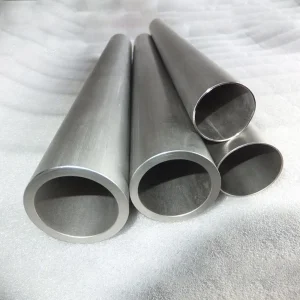
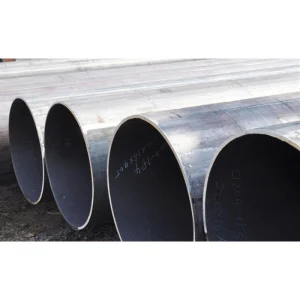
In the modern era of industrial engineering, the integrity of fluid transport systems is paramount. Epoxy Lined Steel Pipes have emerged as a critical technological advancement, offering unparalleled protection against internal corrosion, abrasion, and chemical degradation. As global infrastructure projects expand—from municipal water distribution networks to complex oil and gas pipelines—the demand for high-performance, long-lasting piping solutions has skyrocketed.
The core value proposition of epoxy lining lies in its ability to extend the operational lifespan of steel pipelines by decades. By creating a smooth, non-reactive barrier, these pipes minimize friction losses, improve flow efficiency, and significantly reduce maintenance costs associated with leakage and pipeline rupture. Industry experts emphasize that the transition toward epoxy-lined solutions is not merely an optional upgrade but a strategic necessity for sustainable resource management.
China has solidified its position as the global hub for steel pipe manufacturing, driven by massive investments in R&D and automated production facilities. When sourcing from top Chinese epoxy-lined steel pipe factories, international buyers benefit from several key advantages:
Dongguan Dactron Pipes Co., Ltd. stands as a prime example of professional manufacturing excellence in the steel sector. Specializing in carbon, seamless, and welded steel solutions, the company has evolved significantly since its inception in 2012.
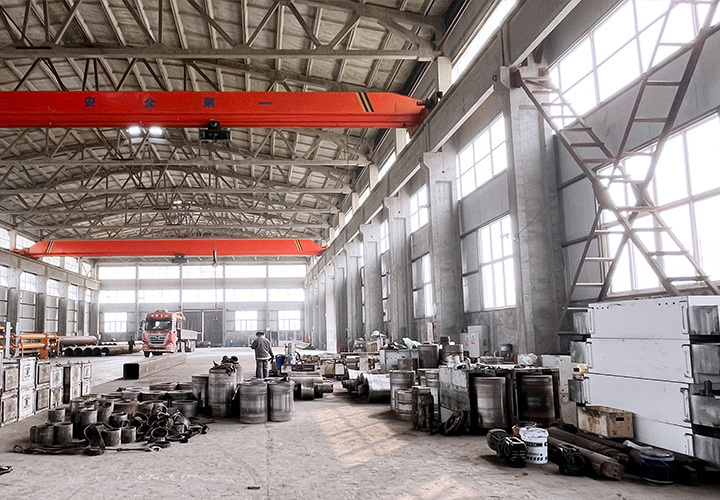
From its early days as a regional supplier, Dactron has scaled its operations to become an international player. The 2019 introduction of automated production lines and advanced precision testing equipment marked a turning point, allowing the company to meet the sophisticated requirements of global clients in construction, infrastructure, and oil & gas.
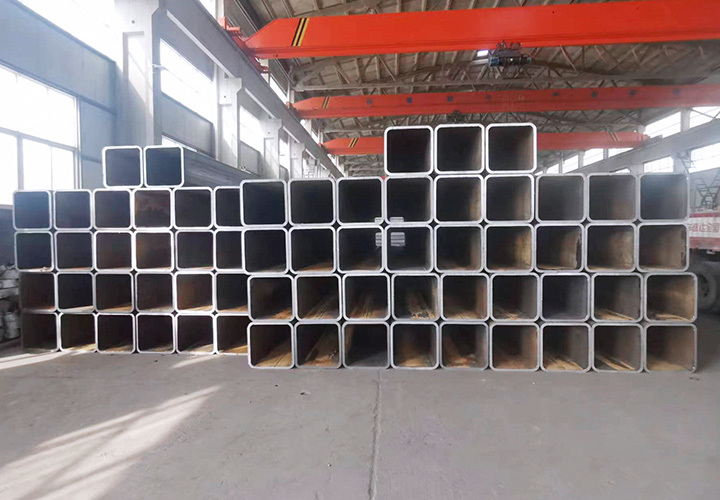
By leveraging its location in Dongguan—a city at the heart of China's manufacturing ecosystem—Dactron provides efficient logistics, competitive pricing, and high-quality piping products that comply with international standards. Their commitment to ISO 9001 quality management ensures that every project, whether small-scale or heavy-duty infrastructure, receives the highest level of technical support.
The future of the steel pipe industry is leaning heavily toward digitalization and smart manufacturing. We are observing a trend where suppliers are integrating IoT sensors directly into pipeline monitoring systems, allowing operators to detect corrosion or structural stress in real-time. For global procurement officers, the strategy is shifting from a pure "price-based" decision to a "total cost of ownership" (TCO) model.
When selecting a Chinese factory, it is vital to evaluate:
1. Coating Technology: Does the factory utilize state-of-the-art electrostatic spraying for their epoxy lining?
2. Supply Chain Resilience: Can the supplier guarantee consistent material sourcing during raw material market fluctuations?
3. Customization: Can the supplier provide tailor-made dimensions and pressure ratings specific to your project's unique engineering requirements?
 Dactron Pipe