Analyzing the strategic demand, production mechanics, and international market movement of zinc-coated steel materials.
Galvanized steel sheets constitute the backbone of modern infrastructural development, agricultural engineering, and transportation networks. Driven by the chemical synergy of a protective zinc barrier overlaying a carbon steel core, these sheets offer superior resistance to atmospheric corrosion. Through hot-dip or electro-galvanization, the outer layers dynamically prevent oxidation by serving as a sacrificial anode, neutralizing moisture and oxygen threats.
Globally, the consumption of custom OEM galvanized steel sheets is scaling rapidly. As urban centers prioritize sustainable, long-lived building structures, developers reject standard ferrous materials in favor of coated variations that satisfy decades of environmental endurance tests without failure. The integration of advanced metallurgical alloys, including zinc-aluminum-magnesium coatings, further escalates the engineering threshold, making these materials pivotal in heavy engineering sectors.
"Corrosion prevention isn't merely a maintenance preference; it is a structural lifeforce calculation. High-precision galvanization preserves capital investments for generations."
A comprehensive examination of global standards, zinc coatings weight, and material chemistry.
The standard specification for steel sheets, zinc-coated (galvanized) or zinc-iron alloy-coated (galvannealed) by the hot-dip process. Covers structural, commercial, and lock-forming qualities with high elongation margins.
European standard regulating continuously hot-dip coated steel flat products for cold forming. It dictates strict chemical limits, mechanical properties, and tolerance values to guarantee structural integrity.
Encompasses diverse zinc densities ranging from Z80 (80g/m²) to ultra-durable Z600 (600g/m²). Available in regular spangle, minimized spangle, or zero spangle surface textures depending on automotive and design paint requirements.
Leveraging high-tech automation, skilled personnel, and prime logistics to deliver cost-effective steel solutions worldwide.
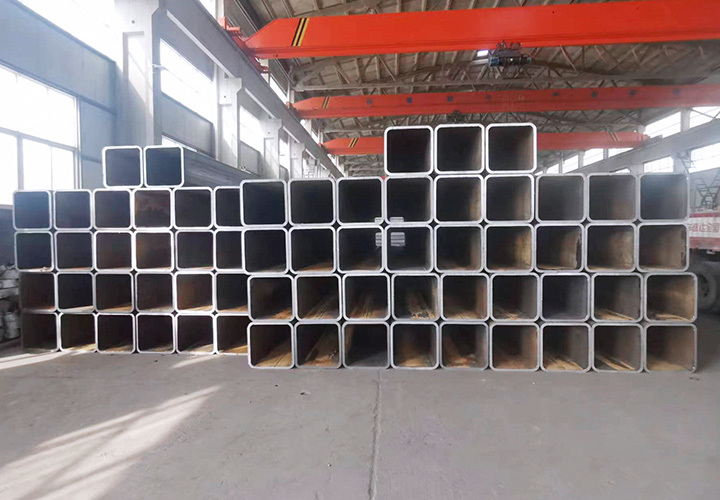
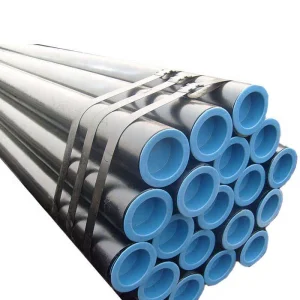
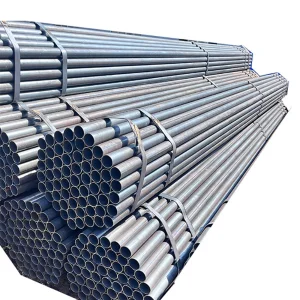
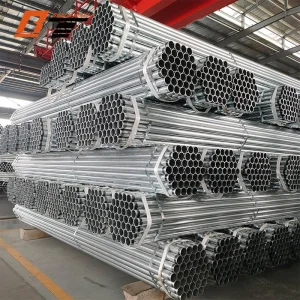
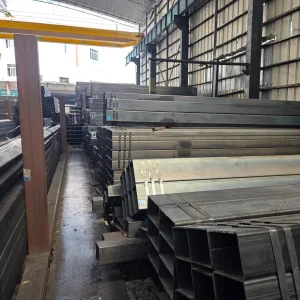
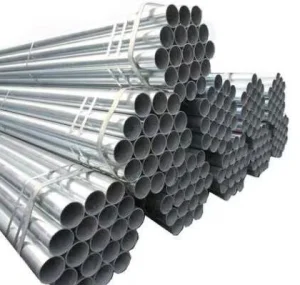
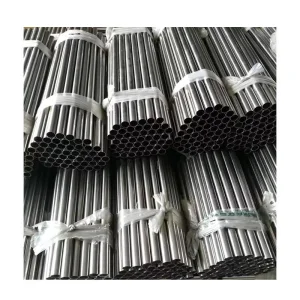
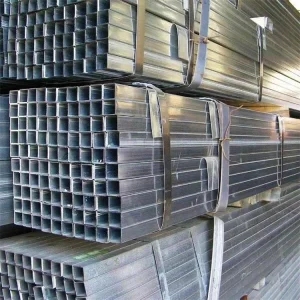
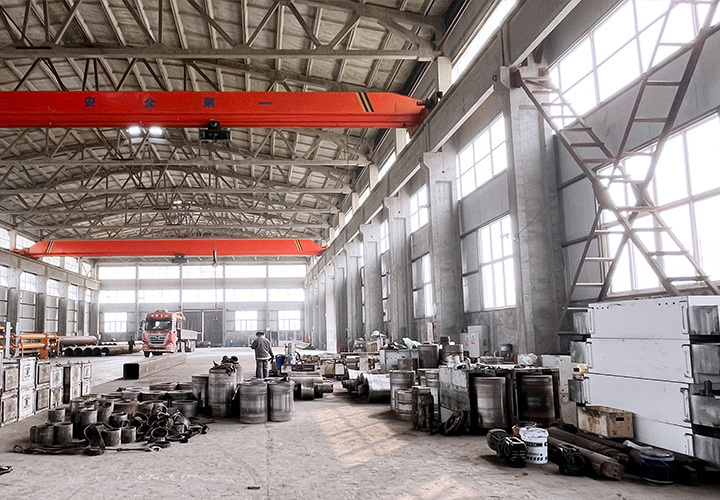
Dongguan Dactron Pipes Co., Ltd. is a professional manufacturer specializing in steel pipes and steel tubes, offering carbon, seamless, and welded steel solutions for a wide range of industrial applications. Located in Dongguan, one of China’s leading manufacturing centers, the company benefits from advanced infrastructure, a highly skilled workforce, and efficient global logistics pathways.
Founded in 2012, Dactron began as a regional supplier of standard carbon steel pipes for construction and mechanical use. With continuous investment in production technology and quality control systems, the company expanded into seamless and welded steel pipe manufacturing by 2016. In 2019, Dactron further enhanced its capabilities by introducing automated production lines and precision testing equipment, enabling it to meet the growing demands of international markets.
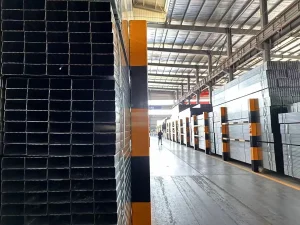
Chinese steel mills and fabrication houses maintain a distinct competitive advantage over regional peers. Through vertical integration of raw hot-rolled coil sourcing, automated continuous cold-rolling, and state-of-the-art Continuous Galvanizing Lines (CGL), factories like Dactron execute high-volume production with absolute uniformity. Proximity to major global deep-water ports, such as Shenzhen and Guangzhou, reduces global freight overheads, transforming high-grade manufacturing into an economically streamlined pipeline for B2B procurement partners.
Deploying tailored zinc-coated steel materials across critical global industries.
In municipal and industrial construction, air transmission ducts demand materials that resist humidity and biological growth. Zero-spangle hot-dip galvanized steel sheets are cold-rolled and locked into tight profiles without micro-fracturing of the zinc layer, ensuring seamless airflow.
Solar solar panels operate under extreme UV rays, temperature swings, and salt-heavy marine environments. Heavy galvanized sheets with minimum Z275 coatings protect structural mounting brackets from premature rusting, safeguarding the 25-year operational lifecycle of renewable energy assets.
Electro-galvanized sheets play an essential role in structural body panels, offering premium surface finishes that allow clean paint application. The micro-thin zinc coating forms a superior base that ensures safety against gravel impacts and road salt degradation.
Exploring structural breakthroughs that are changing how global enterprises purchase and process galvanized steel.
Environmental policies like the European Union's Carbon Border Adjustment Mechanism (CBAM) are compelling metallurgical researchers to invent green-coated alternatives. In response, modern mills are migrating from standard pure-zinc baths to Zinc-Aluminum-Magnesium (ZAM) formulations. ZAM provides up to three times the corrosion resistance of standard galvanized sheets at equivalent thicknesses. This chemistry allows engineers to choose thinner gauges, reducing overall structural weight and minimizing the global carbon footprint of construction projects.
Additionally, trivalent chrome passivation has replaced hexavalent chromium coatings to ensure compliance with RoHS and REACH regulations. This change ensures that even under harsh, long-term exposure, galvanized materials do not release heavy metal hazards into surrounding water tables and agricultural environments.
B2B steel buyers are increasingly demanding verifiable supply chain transparency. Mill test reports (MTR) are now digitized, documenting the exact heat number, chemical structure, and physical testing properties of every batch. As a pioneer in advanced quality assurance, Dongguan Dactron Pipes Co., Ltd. implements ISO 9001 quality management procedures and supports detailed OEM/ODM verification. Modern steel production lines now utilize computerized defect recognition systems that scan for surface imperfections, ensuring that only flawless galvanized sheets proceed to final coil wrapping and export shipping lines.
A structured approach for sourcing managers to mitigate risks and secure consistent material properties.
Match the carbon content to your post-galvanizing machining processes. Sourcing drawing quality (DQ) or commercial quality (CQ) determines whether the sheet will fracture under high-tonnage stamping dies.
Do not simply order "galvanized steel." Clearly outline the required zinc density (e.g., Z180, G90) to match the atmospheric corrosivity of your project's geography. Settle on exact tolerances before processing payment.
Ensure your factory supplier provides independent laboratory tests, such as SGS or TÜV certifications. Demand hydrostatic testing reports, salt spray performance data, and tensile testing sheets for every production lot.
Providing expert answers to complex metallurgical, logistics, and manufacturing questions.
 Dactron Pipe