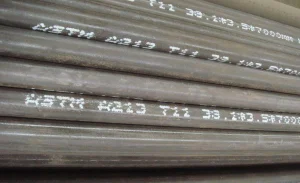
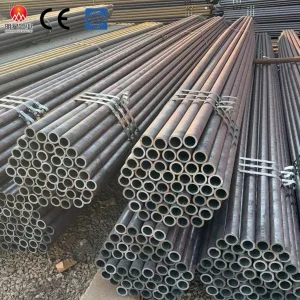
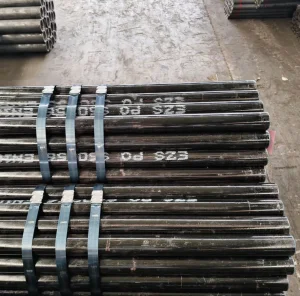
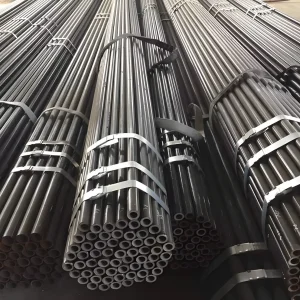
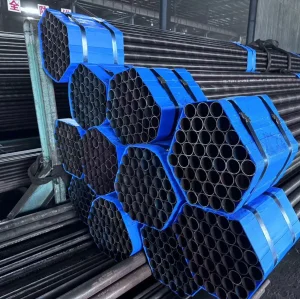
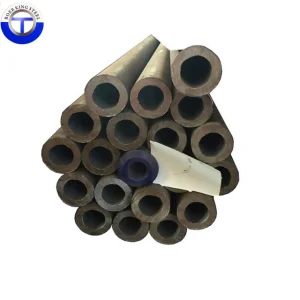
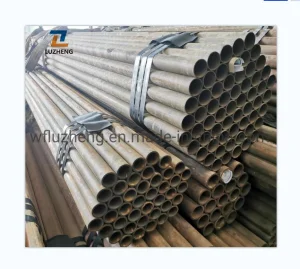
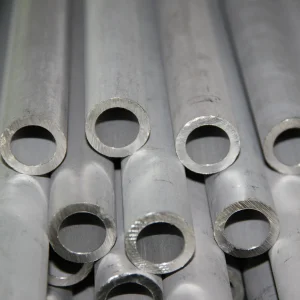
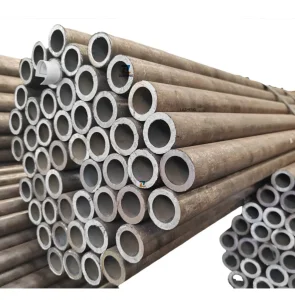
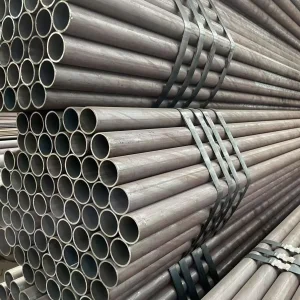
Carbon Steel Seamless Boiler Tube ASTM A192 with Normalized Surface for High Pressure Systems

Still deciding? Get samples of $ !
Request Sample

Product Description

Overview - Basic Info

Model NO.ASTM A192TypeSeamless
TechniqueCold DrawnMaterialCarbon Steel
Surface TreatmentOiledShapeRound
HS Code7304199000OriginChina
Production Capacity10000 Tons Per Month
UsagePipeline Transport, Boiler Pipe, Hydraulic/Automobile Pipe, Oil/Gas Drilling, Machinery Industry, Chemical Industry, Mining, Construction & Decoration
SpecificationOuter Diameter: 20mm– 508mm

Product Description

Seamless pipe is a hollow tubular steel without welding seams, made by perforated hot rolling, cold drawing, or cold rolling processes. It features a uniform structure, high strength, and excellent sealing capabilities. The surface is typically silver-gray (original metal color) and can be galvanized, painted, or oiled for anti-corrosion.
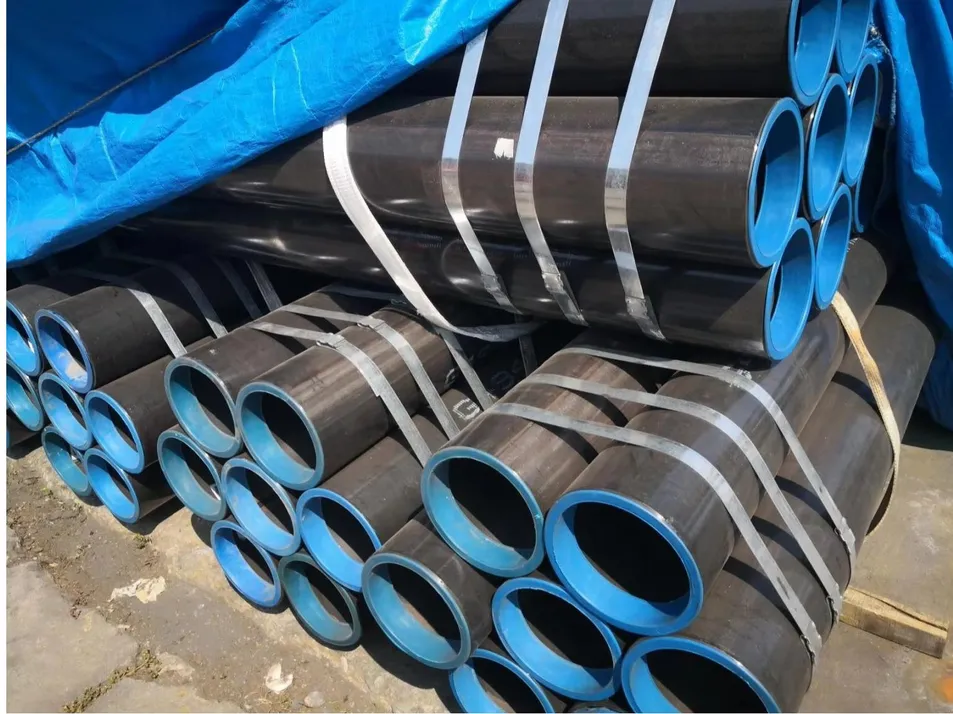
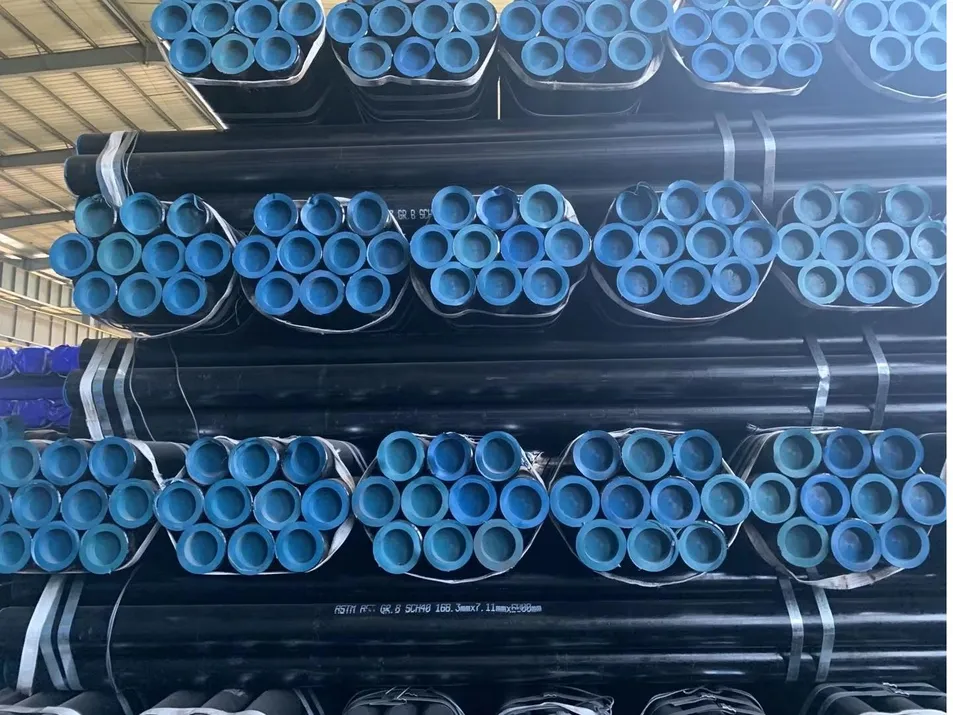
Seamless Boiler Tube
ASTM A192 Carbon Steel Tube

Classification by Process

  • Hot-rolled seamless pipe: Thick walls, large diameter range, ideal for high pressure.
  • Cold rolled / cold drawn pipe: High precision, smooth surface, uniform thickness for machinery.

Classification by Material

  • Carbon steel (e.g., Q235, 20#): Low cost, wide application.
  • Alloy steel (e.g., 15CrMo, 42CrMo): Resistant to high temperature/pressure.
  • Stainless steel (e.g., 304, 316L): Excellent corrosion resistance for food/medical use.

Specifications & Standards

Standard Application
ASTM A53Mechanical and pressure applications; steam, water, gas, and air lines.
ASTM A106Seamless carbon steel pipe for high-temperature service (NPS 1/8 to NPS 48).
API SPEC 5LLine pipe for petroleum and natural gas industries.
EN 10216European standard for seamless steel pipes for pressure purposes.

Hot Selling Sizes

Nominal Size (Inch) Outer Diameter (mm) SCH40 (mm) SCH80 (mm) SCH160 (mm)
1/2"21.32.773.734.78
1"33.43.384.556.35
2"60.33.915.548.74
4"114.36.028.5613.49
8"219.18.1812.723.01
12"323.810.3117.4833.32
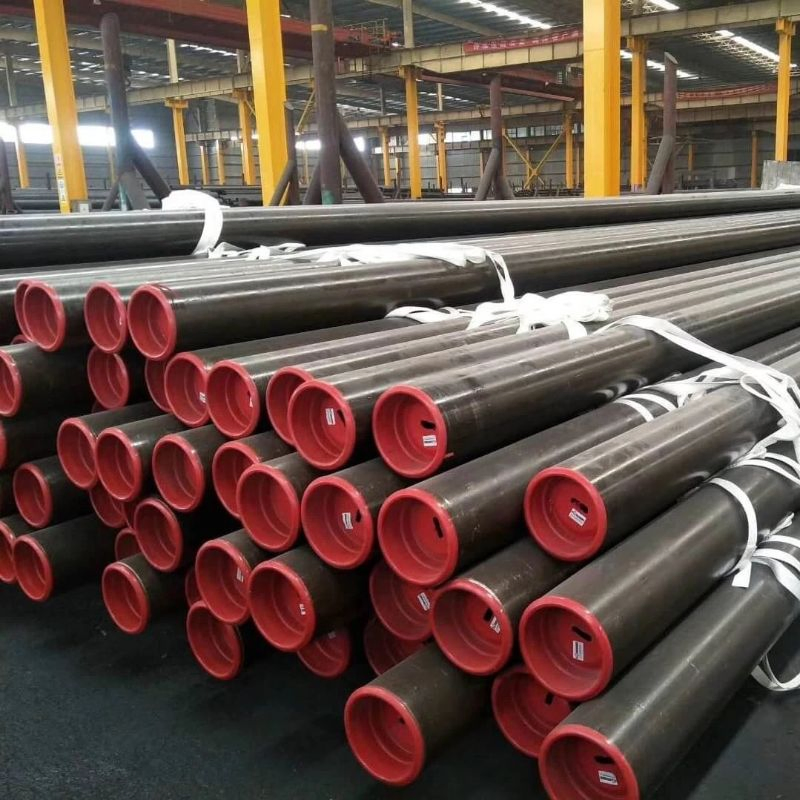
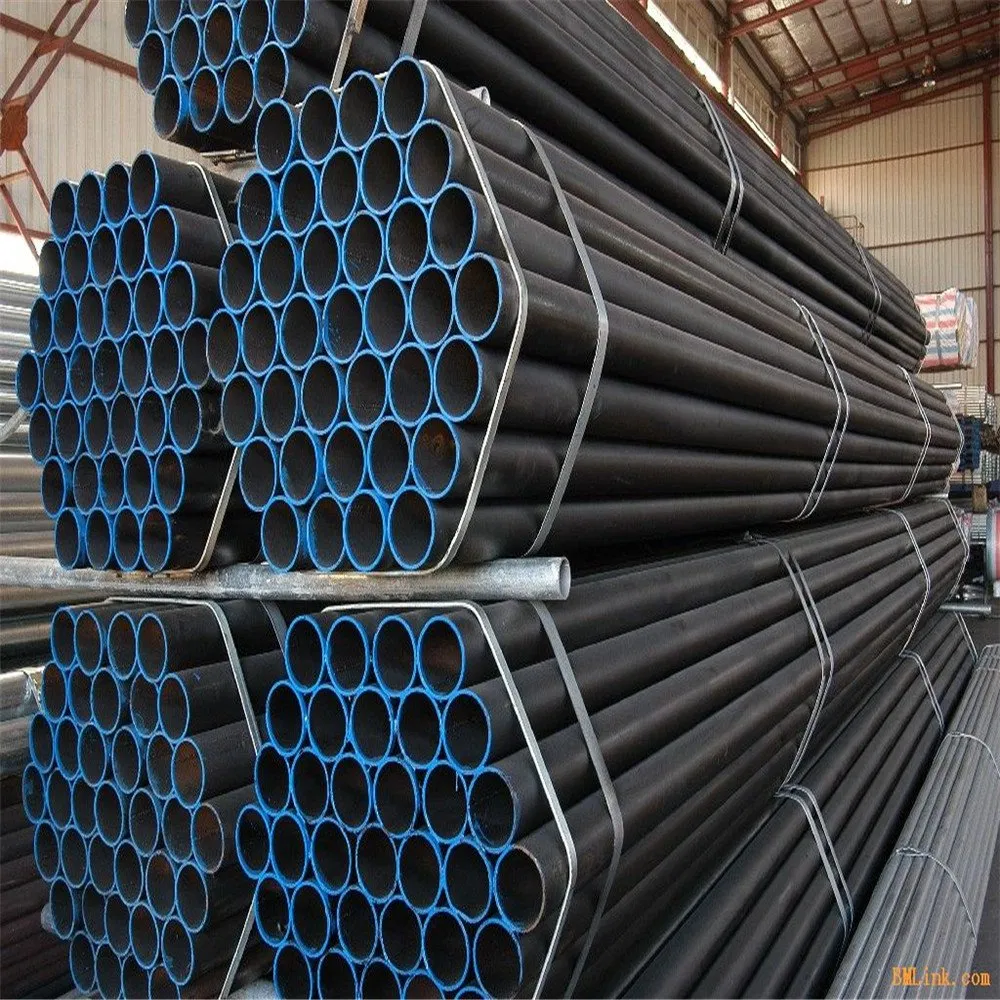
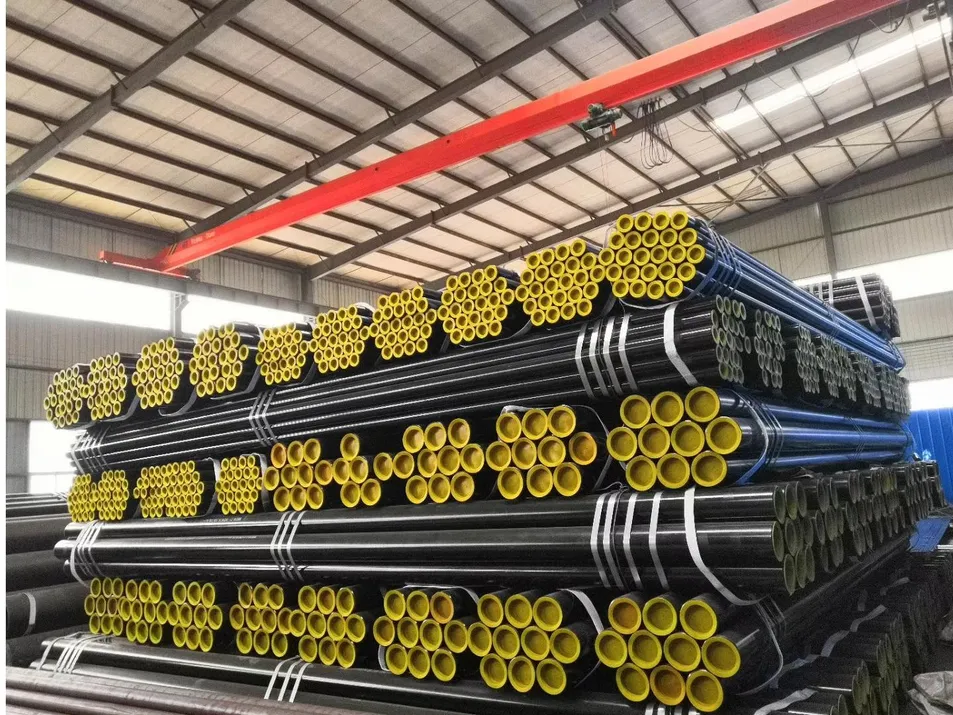
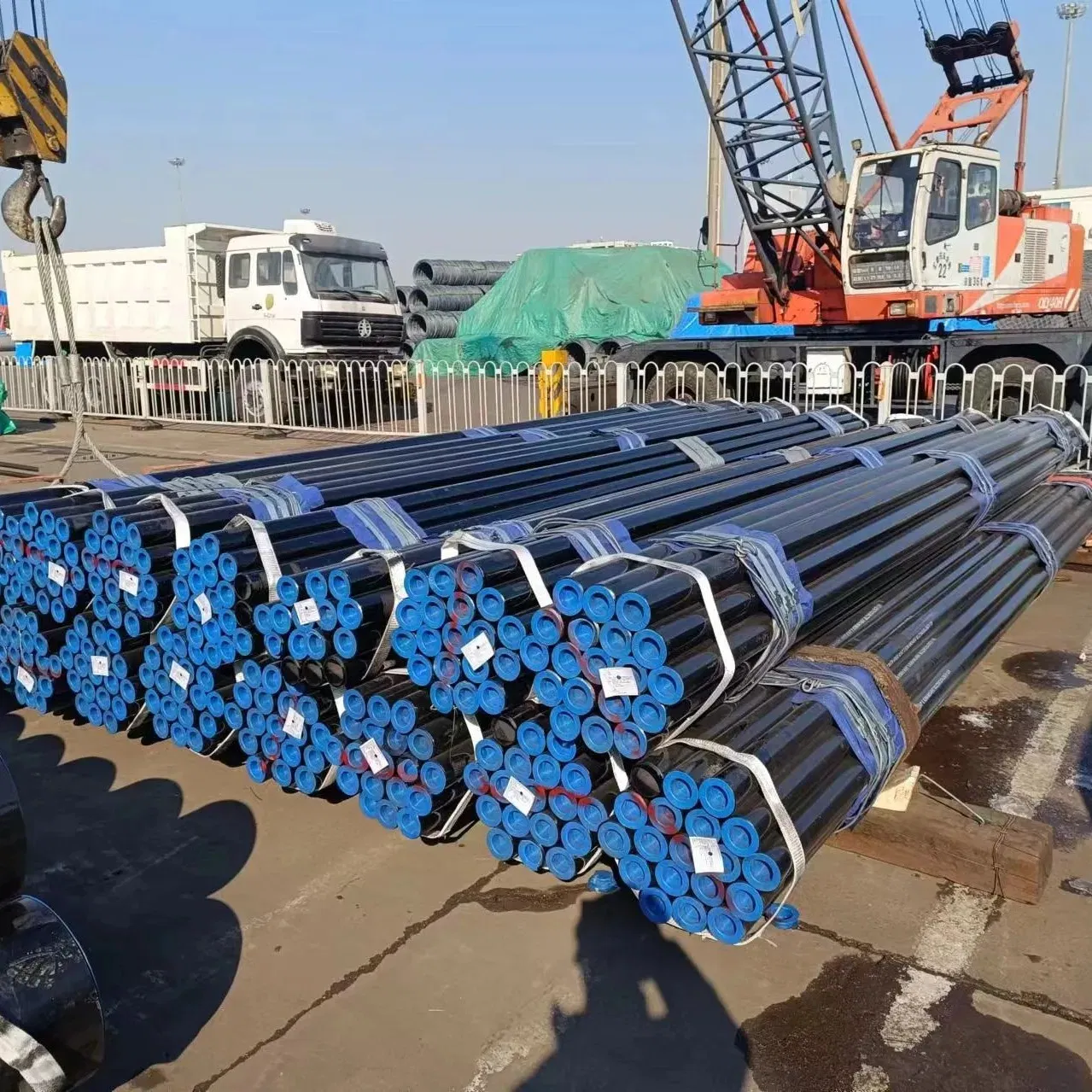
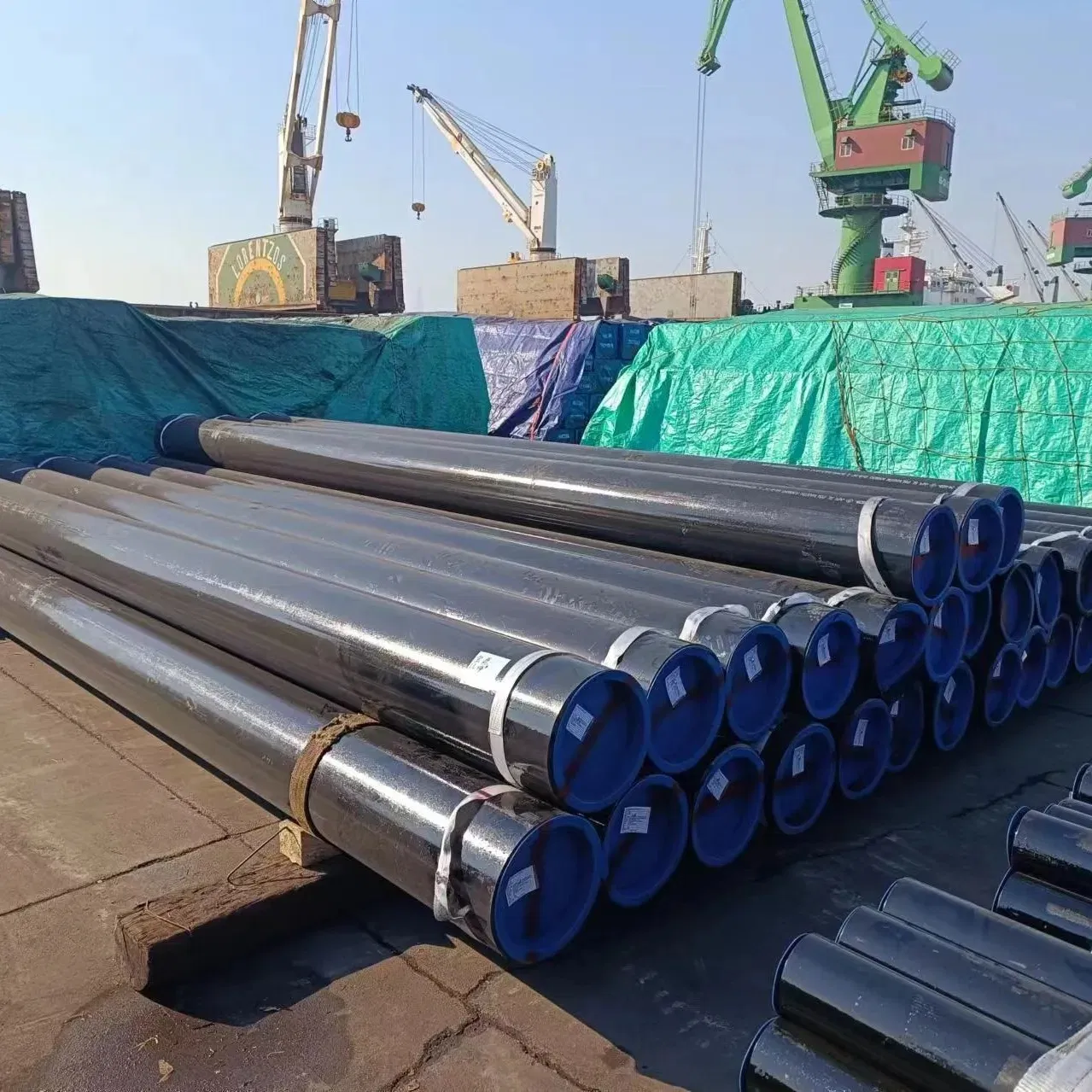
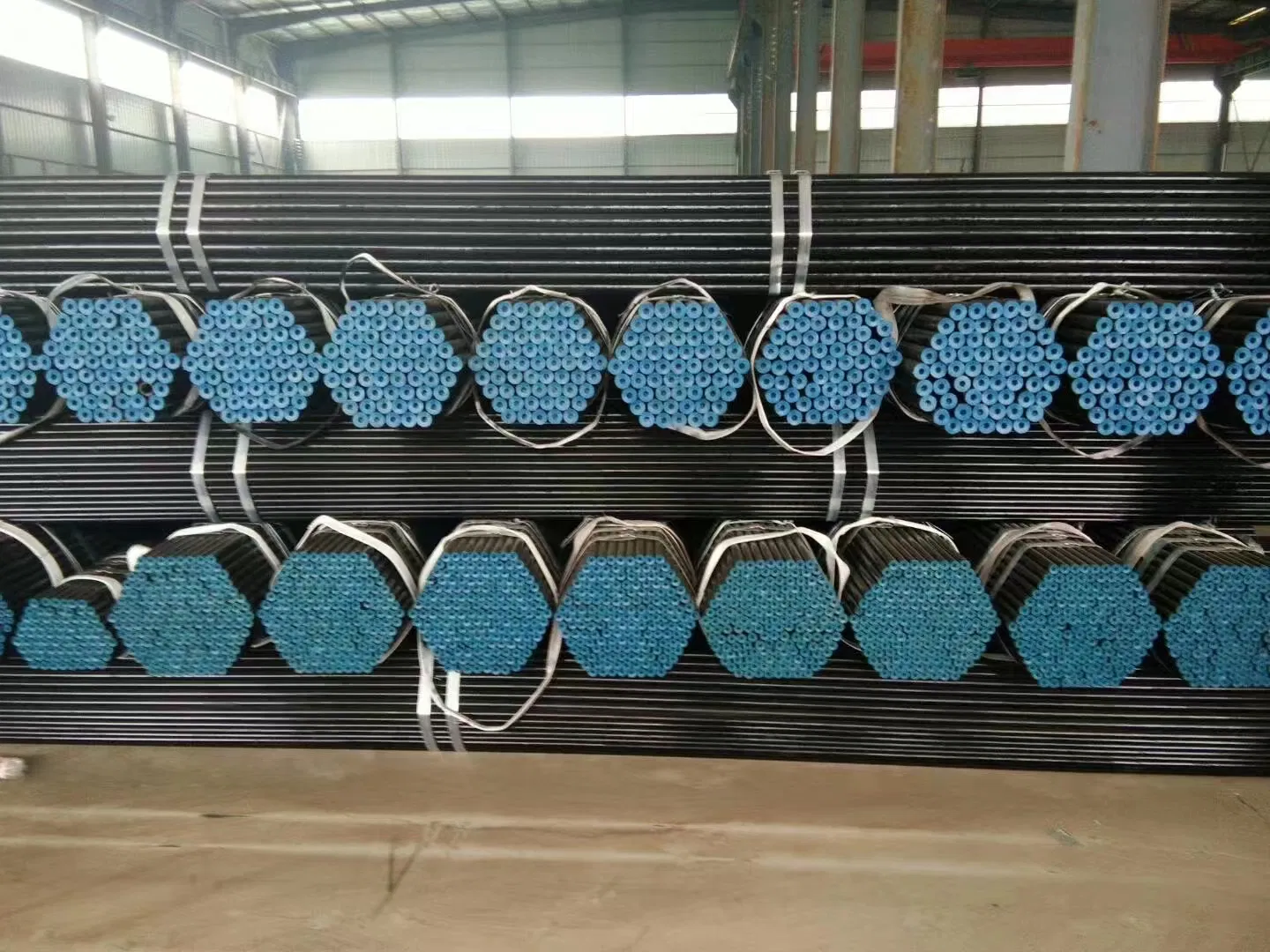
Pipe Stock
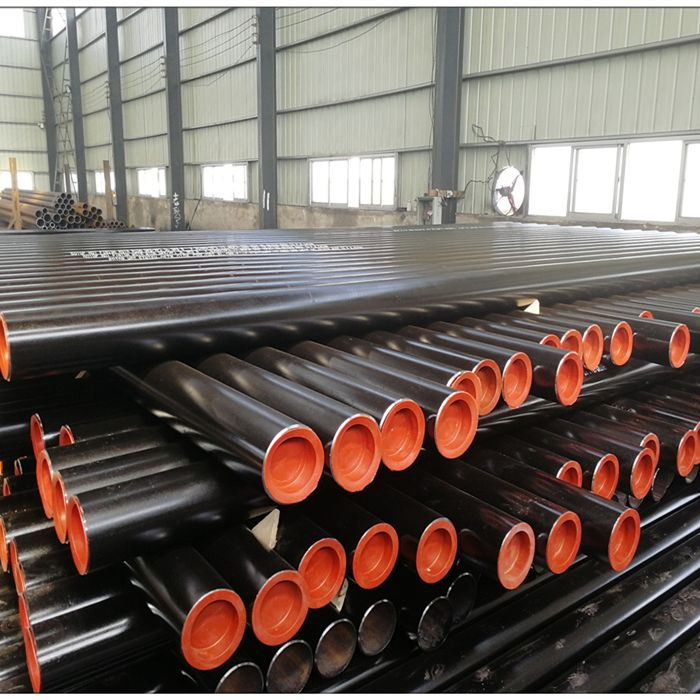
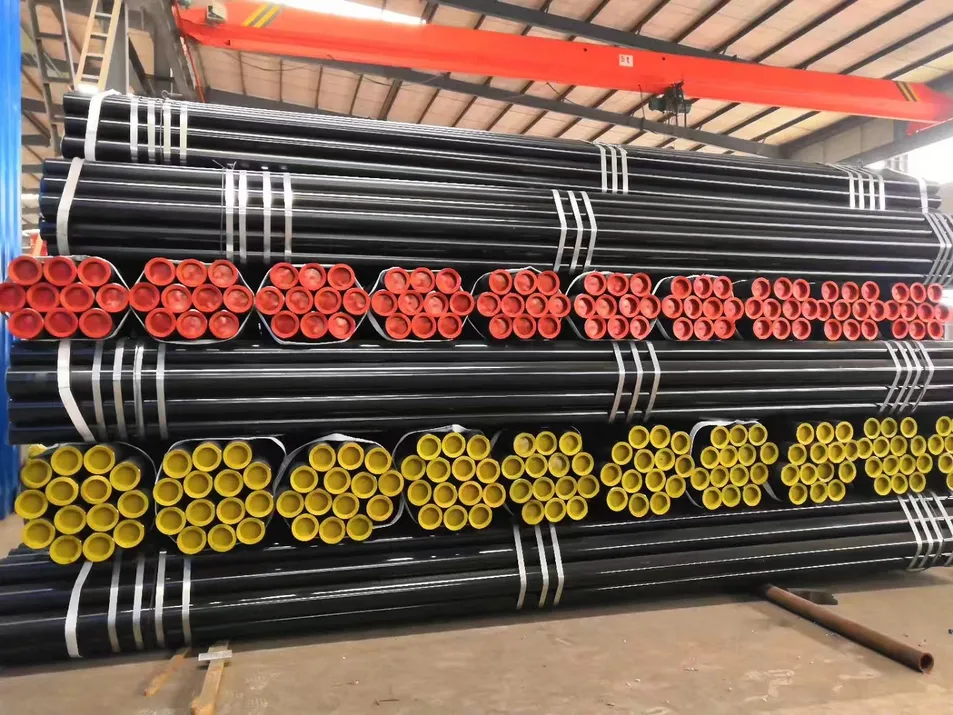
Pipe Ends
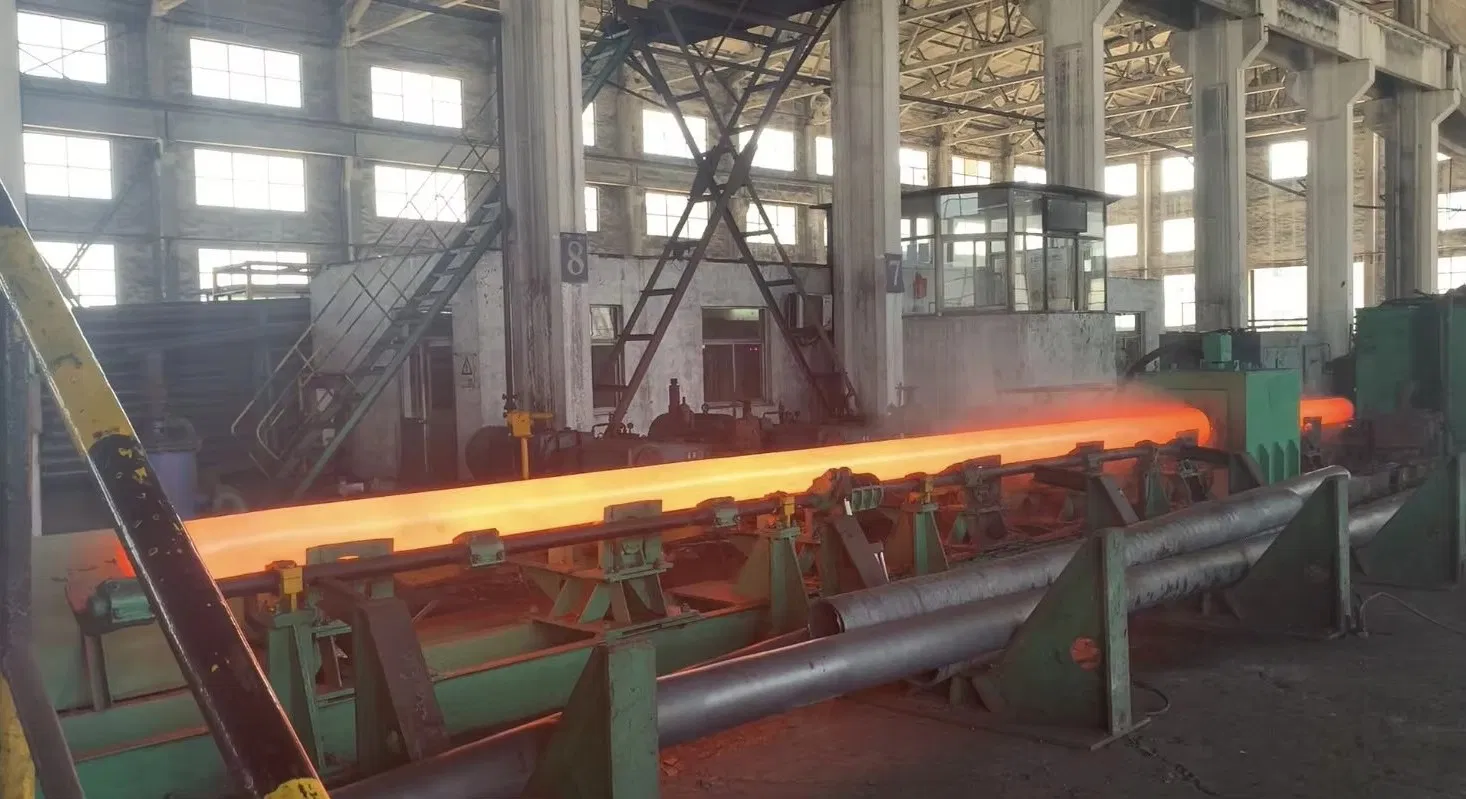
Production Line

Key Applications

1. Industrial Pipeline Systems

Transportation of water, oil, gas, and steam; municipal water supply and thermal pipelines.

2. Machinery Manufacturing

Automobile drive shafts, bicycle frames, hydraulic cylinders, and precision parts.

3. Construction & Engineering

Support columns for bridges/high-rise buildings and steel piling for foundations.

4. Chemical & Petroleum

Transporting corrosive mediums and oil extraction (well pipes/casing).
Industrial Application
Machinery Use
Construction Pipe

Performance Advantages

  • Mechanical Strength: Superior overall strength without weld vulnerabilities, ideal for impact loads.
  • Corrosion Resistance: Options for stainless steel (304/316L) or coatings like galvanizing and epoxy resin.
  • Processability: Easily bent, expanded, or reduced in diameter for various engineering needs.
  • High Sealing: Weld-free design ensures integrity in high-pressure gas and hydraulic systems.
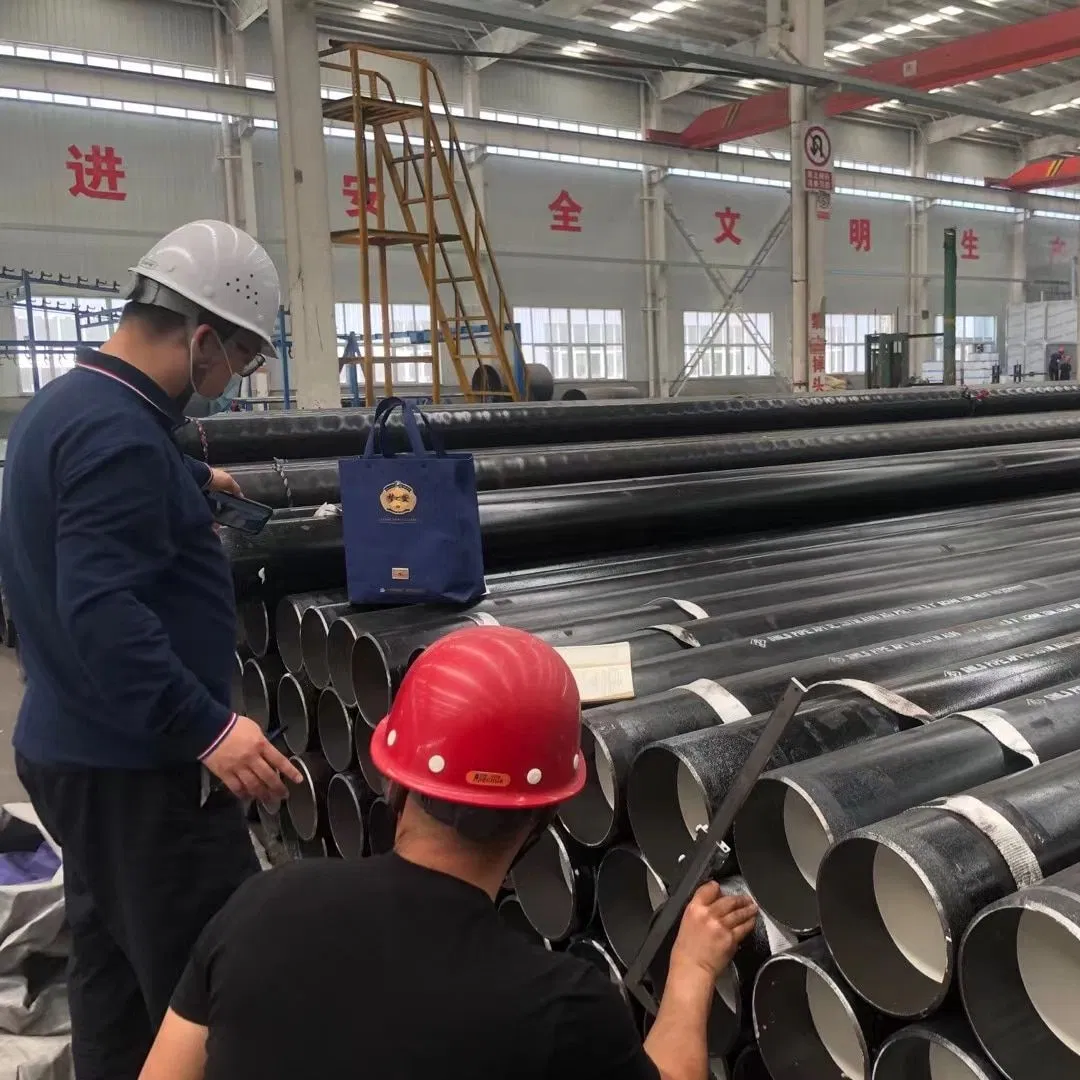
Quality Control
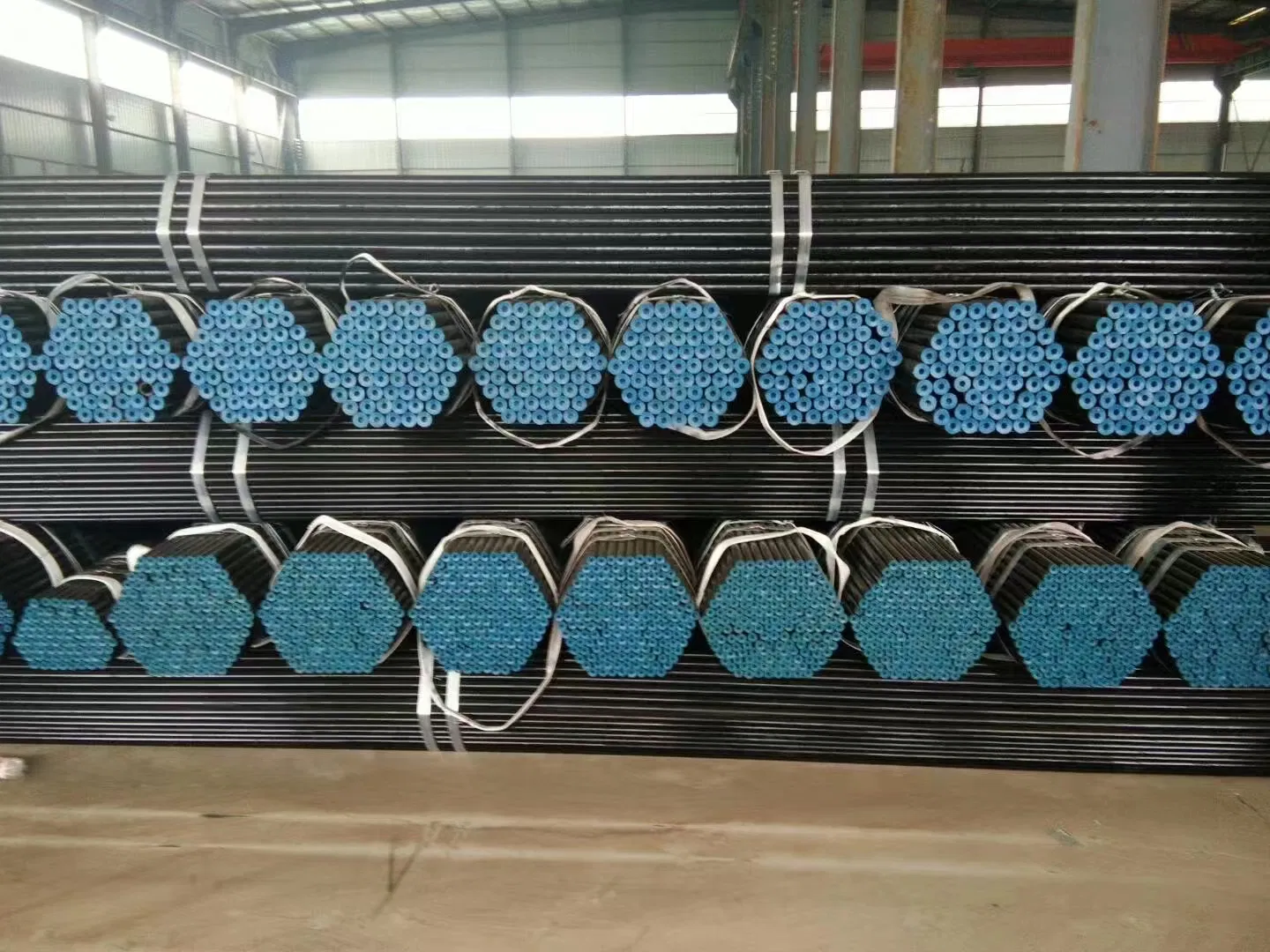
Finished Product

Frequently Asked Questions

What is the main difference between seamless and welded pipes?
Seamless pipes have no welds, providing higher overall strength for high-pressure scenarios like boilers. Welded pipes are more cost-effective but have a longitudinal or spiral seam.
How do I choose the right material for my seamless pipe?
For general use, Q235 or 20# carbon steel is standard. For corrosive environments, choose 304/316L stainless steel. For high temperature/pressure, alloy pipes like 15CrMo are recommended.
Can the size and length be customized?
Yes, regular specifications (OD 6-630mm) can be customized to fixed lengths (e.g., 6m, 9m). Special calibers may require mold production with specific minimum order quantities.
What quality detection methods are used?
We utilize visual inspection for surface defects, non-destructive testing (Ultrasonic UT and Eddy Current ET) for internal flaws, and high-pressure water tests to ensure sealing.
How is rust prevented during transportation?
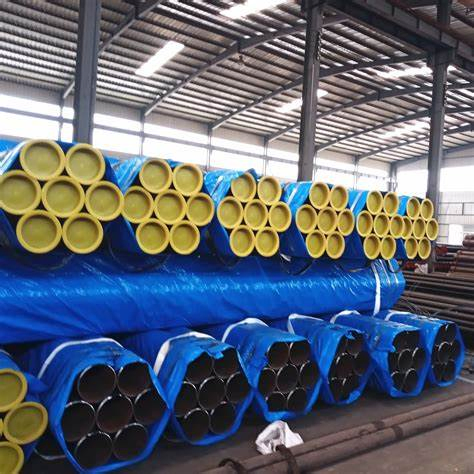
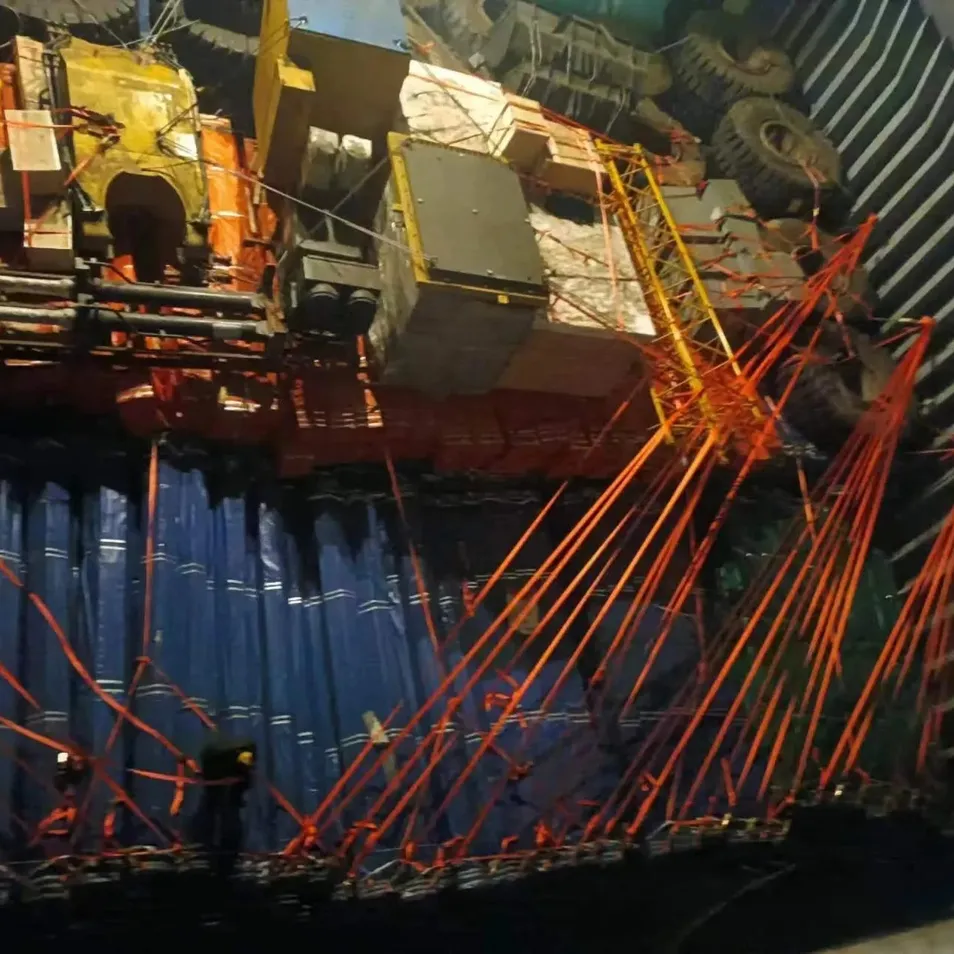
Pipes are typically oiled or galvanized. For short-term transport, they are covered with waterproof cloth; for long-term storage, they are kept in dry warehouses above ground level.
What are the common end treatments available?
Available treatments include plain ends, beveled ends, threaded with couplings/caps, chamfered, grooved, or screwed ends depending on your application.

Related Products