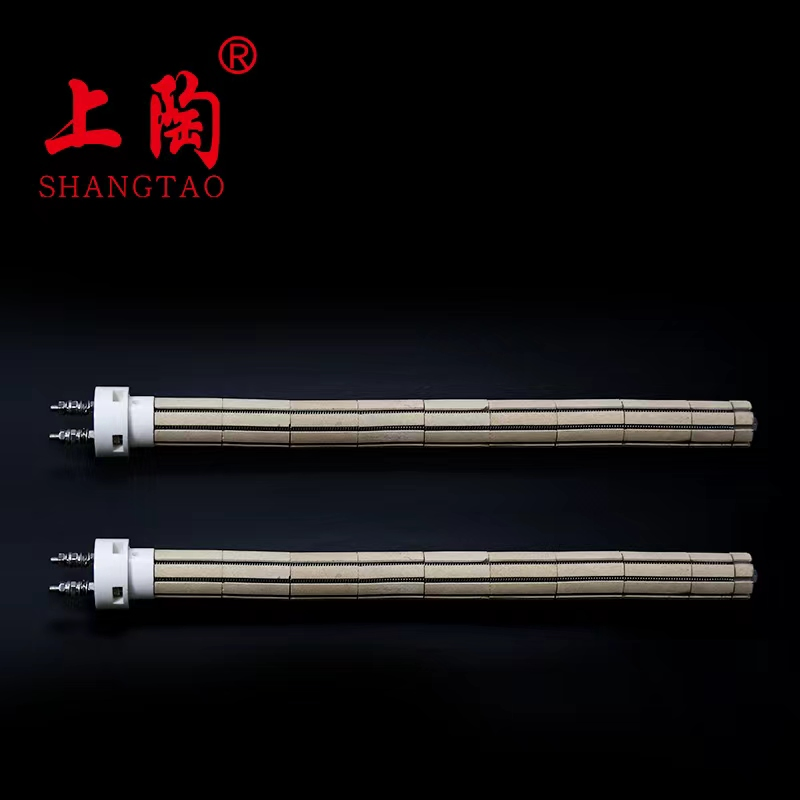
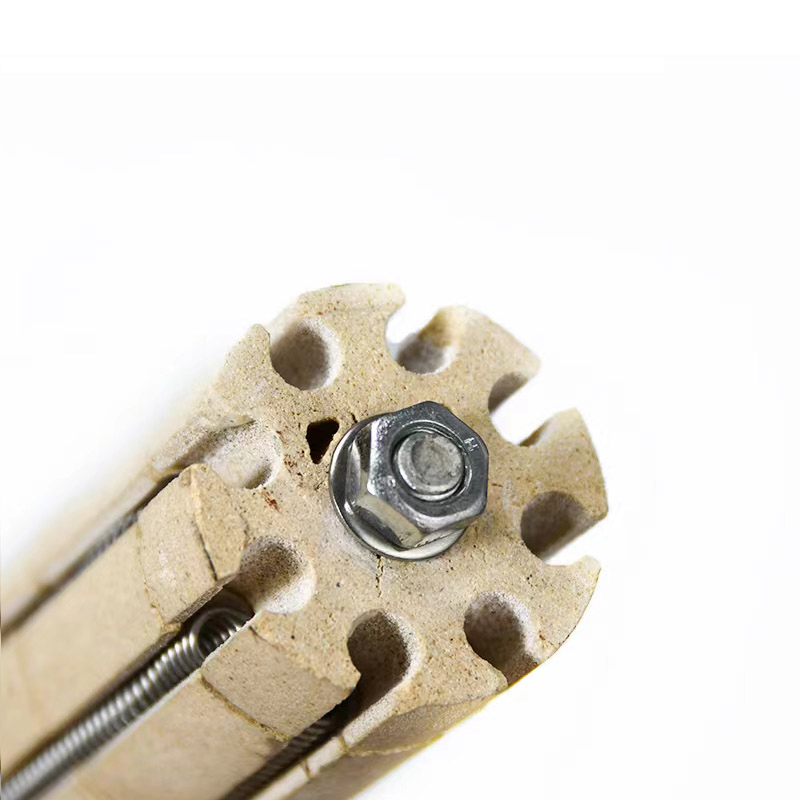
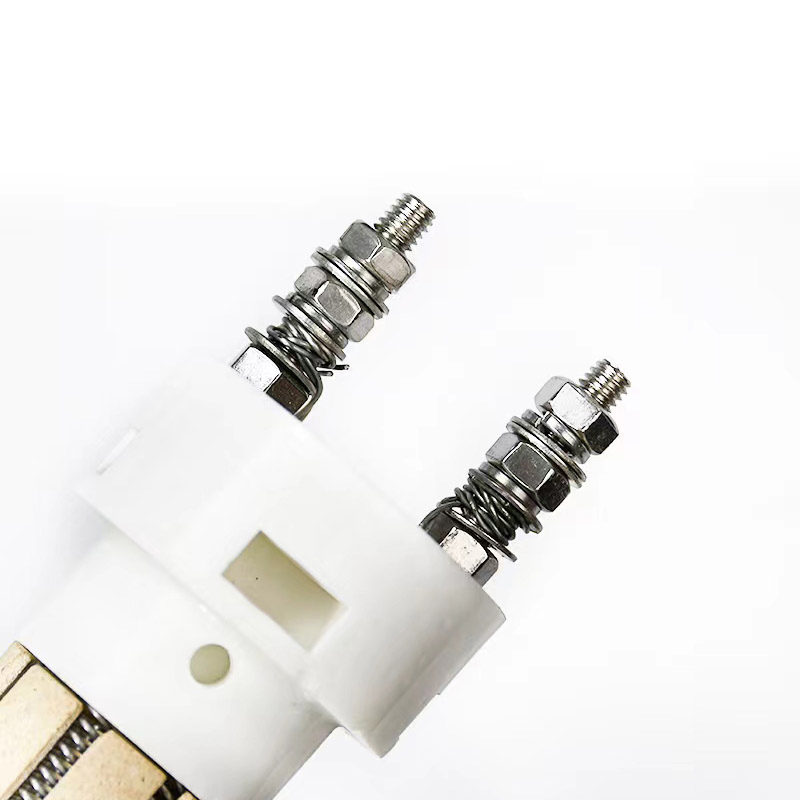
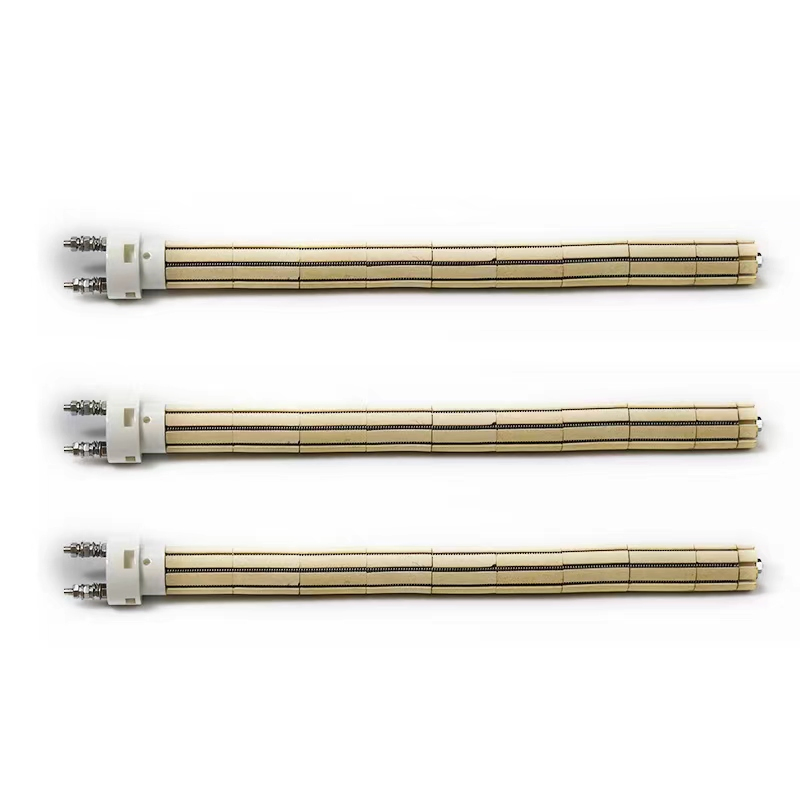
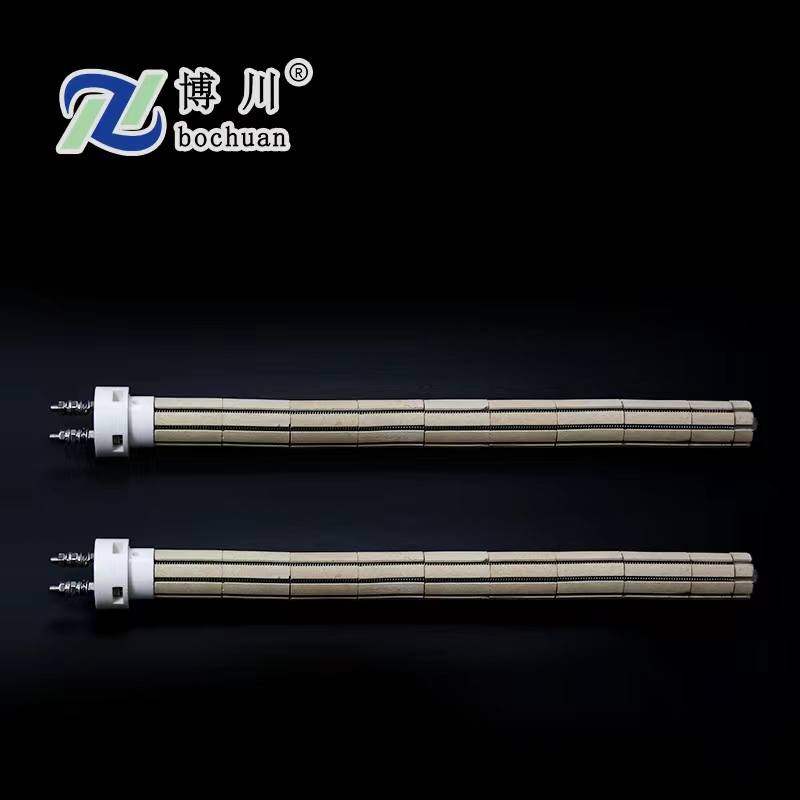
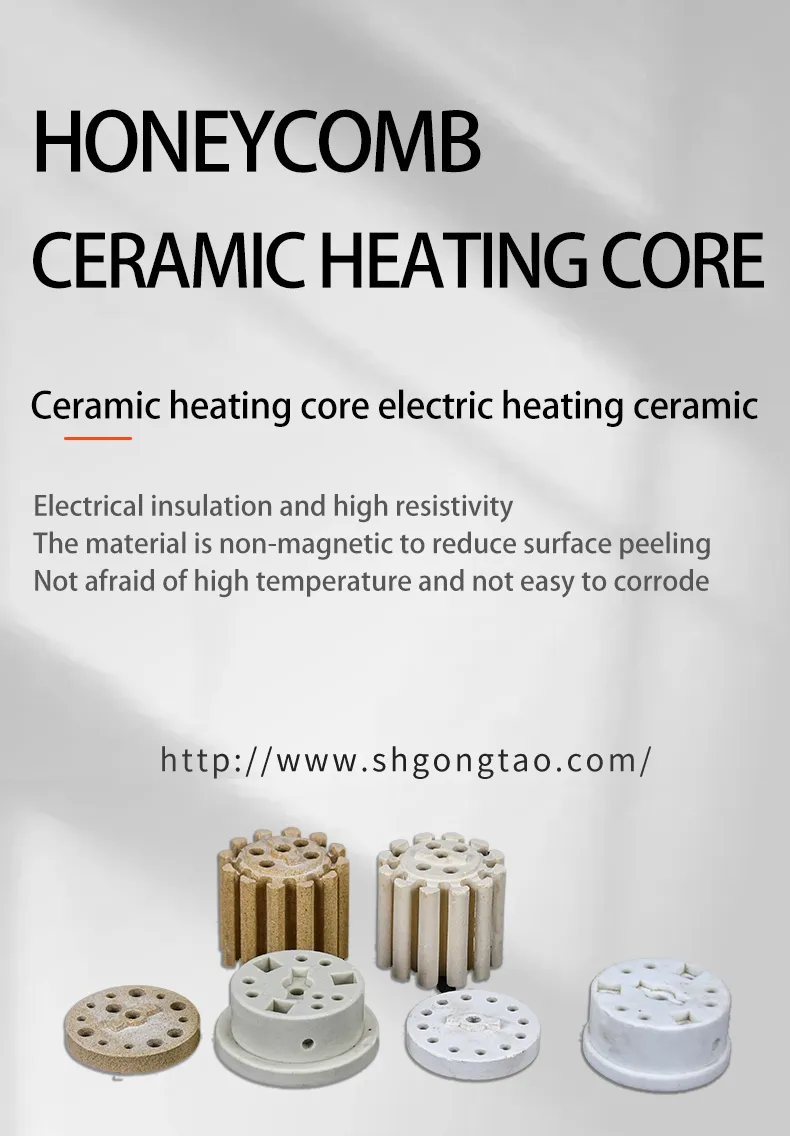
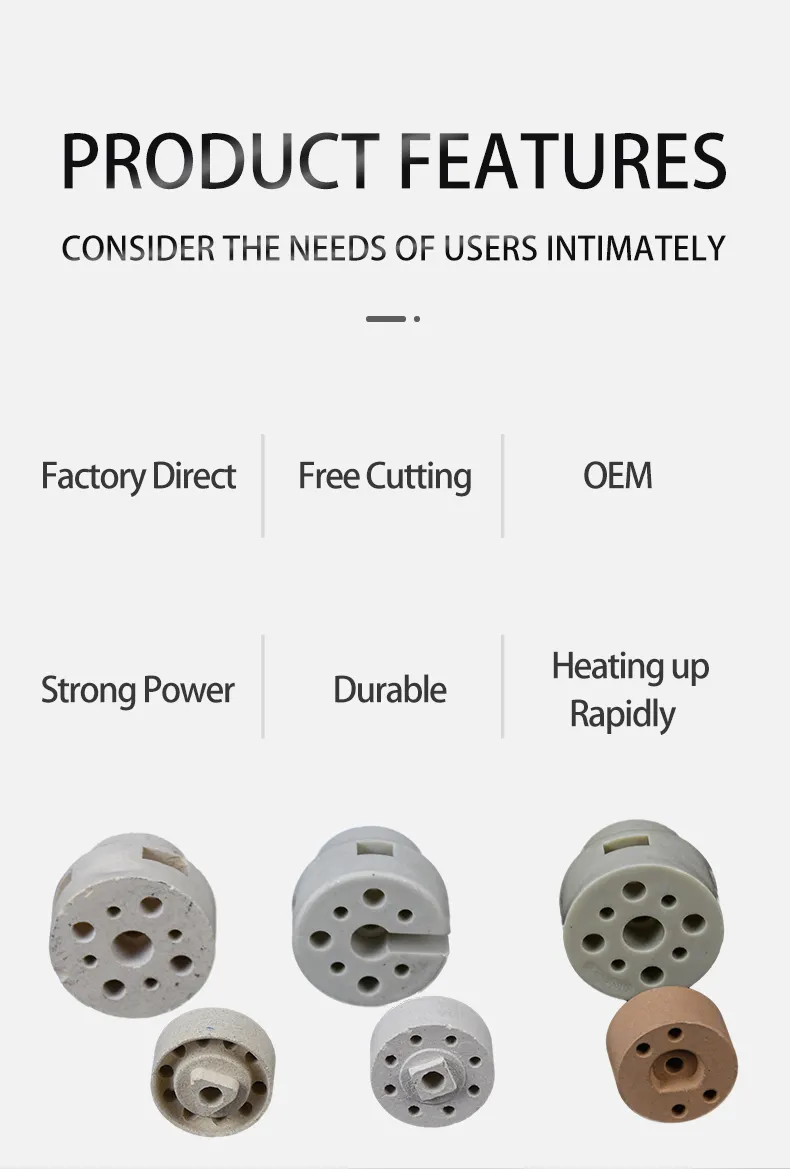
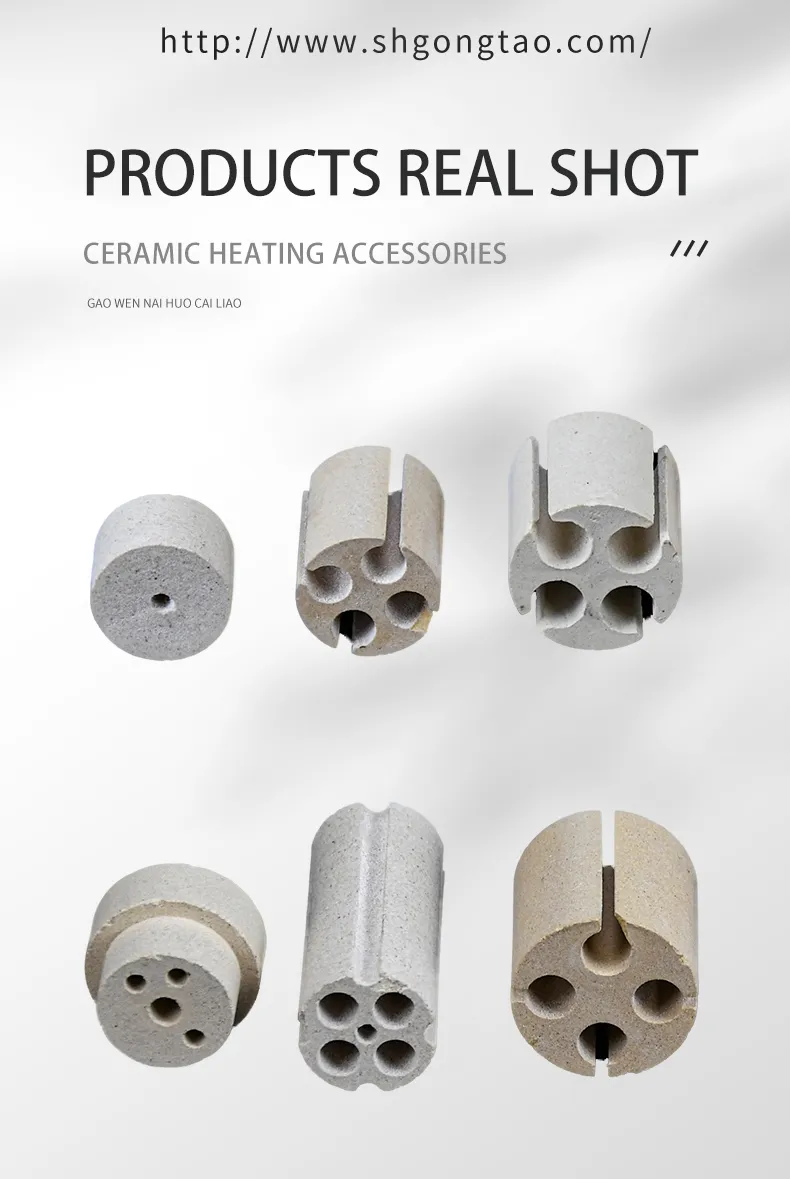
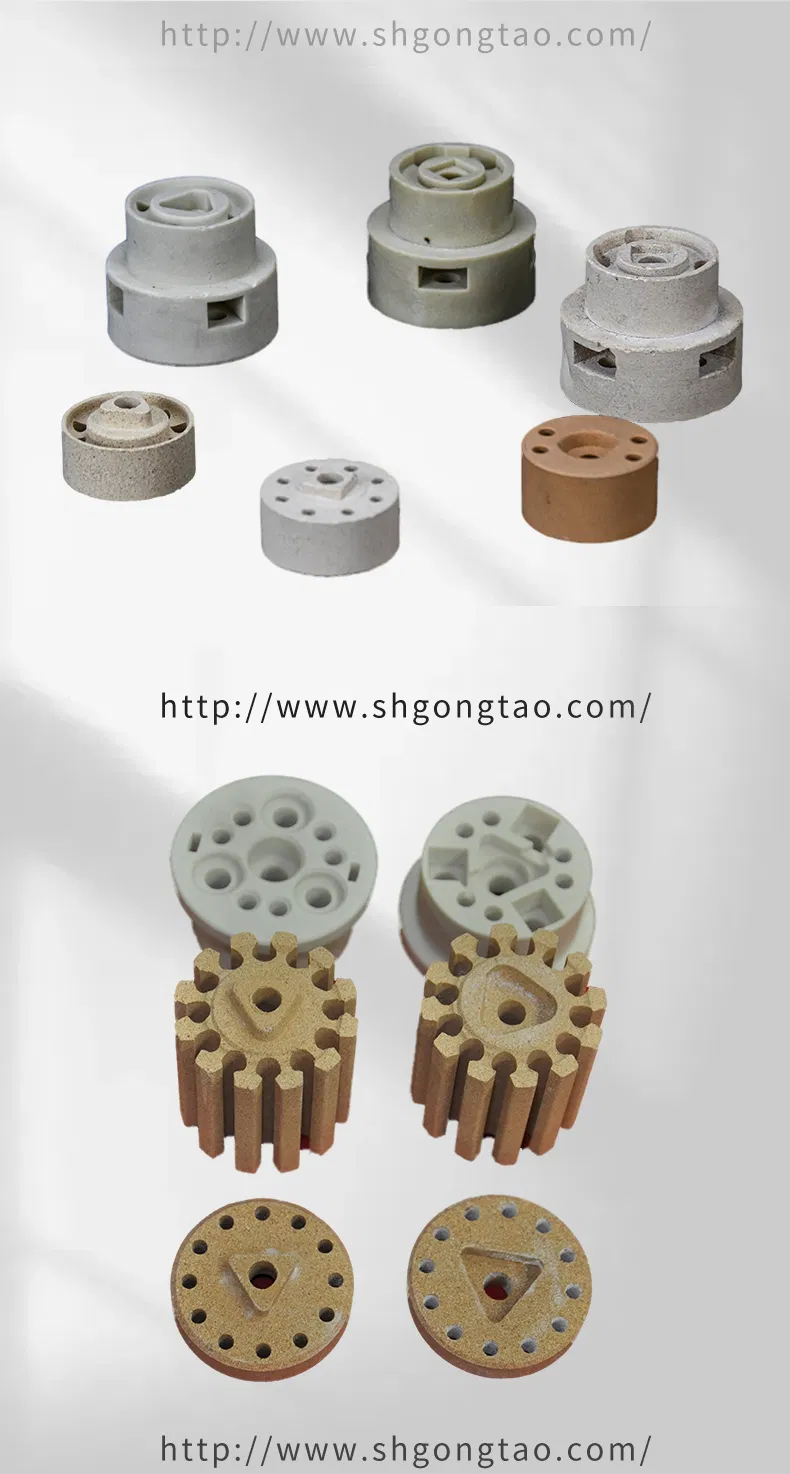
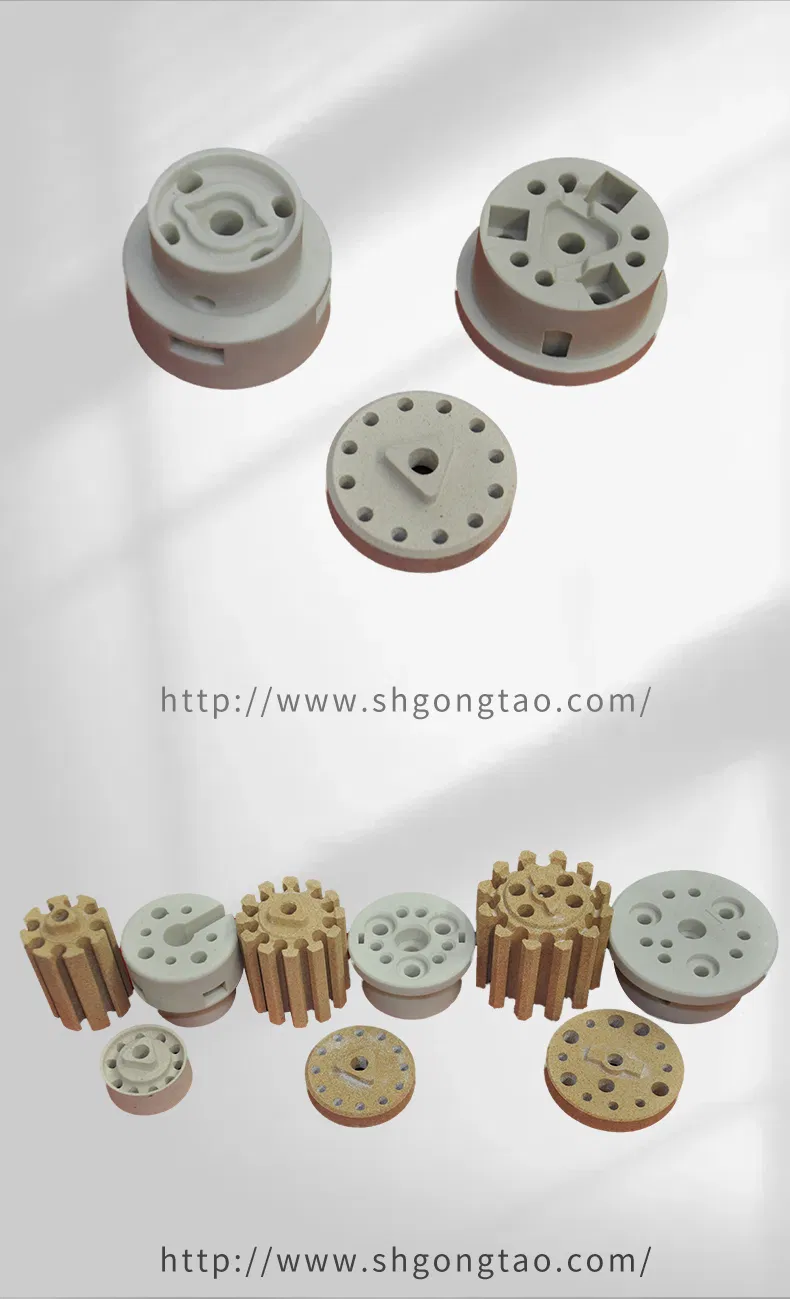
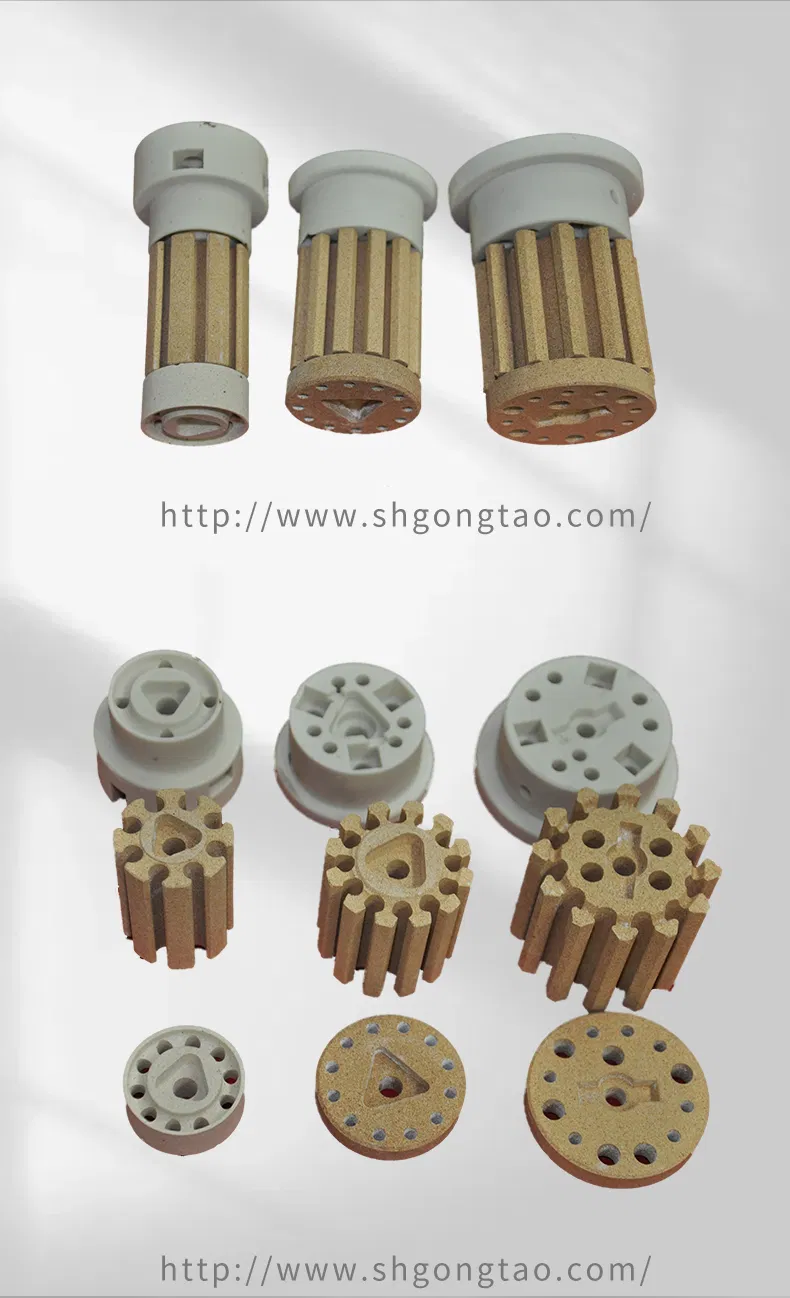
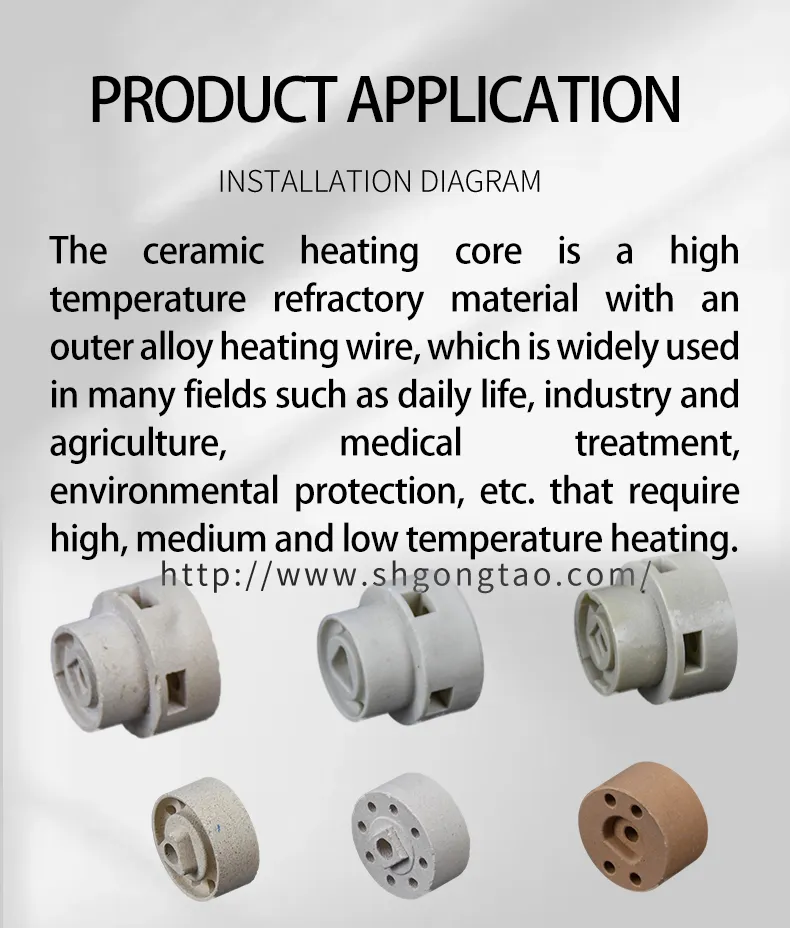
2022 Shanghai Gongtao 110 Volt Industrial Electric Stainless Steel Resistance Immersion Water Rod Heater Heating Tube for Boiler

Customization: Available
Form: Spiral Heating Element
Power: 1kw -10kw

Product Description

📋

Basic Info.

Color
Unglazed Ivory
Voltage
110V, 220V, 380V
Principle
Mixing Heat Exchanger
Core
Core Evaporative Heat Exchanger
Application
Heater
Ceramic Heating Equipment Type
Ceramic Electric Heater
Recuperative Heat Exchanger Type
Tube Type Heat Exchanger
Product Name
Heating Elements for Industry
Transport Package
Plywood Case
Specification
Rohs
HS Code
8516800000
Production Capacity
500000 PCS Per Year
🛠️

Product Description

Physical Properties
Gross Density g/cm³ 2.3-2.6
Average Linear Expansion (20-1000°C) 10⁻⁶/k⁻¹ 6-7.6
Specific Heat Capacity KJ/Kg 900-1200
Heat Conductivity W/MK 1.8-3
Soft Temp. °C 1400
Maximum Application Temp. °C 1350
Corrosion Resistance Against Acid % 99.5

Power and surface load of heater tube calculation:

Surface load refers to the electric power value taken on a unit superficial area of the heating element. A higher surface load strength typically results in a shorter lifespan but reduced material wastage. It is essential to choose the heating load strength reasonably to ensure high thermal efficiency and durability.
  • Basic data for calculation: Highest use temperature t (C), Heating electric power P (W), Working voltage U (V), and Length of heating zone L(m).
  • Material Confirmation: Confirm the electrothermal alloy brand based on basic data and working conditions.
  • Coefficient Check: Refer to known data for the coefficient of correction Ct of resistance temperature.
  • Total Resistance: Calculate using the formula R = U² × Ct / P.
  • Diameter Estimation: Work out resistance per meter (Rm = R/L) to determine the material diameter (D) and total area (FO).
  • Surface Load Gain: Calculated by ω = P/FO. Note: Currently, the surface load for these heater tubes should generally not exceed 2.0W/cm² to maintain material integrity.

Frequently Asked Questions

What is the maximum operating temperature for these heating elements?
The maximum application temperature for these industrial heating elements is 1350°C, with a softening temperature of 1400°C.
Which voltages are supported by the heating tubes?
The elements are compatible with standard industrial voltages including 110V, 220V, and 380V.
What materials are used in the construction?
The heating elements utilize unglazed ivory ceramic and a core evaporative heat exchanger design for optimal thermal performance.
How is the surface load determined?
The surface load is calculated by dividing the power (P) by the total surface area (FO). For standard operations, it is recommended not to exceed 2.0W/cm².
Are these products resistant to chemical corrosion?
Yes, these elements exhibit excellent corrosion resistance against acid, with a rating of approximately 99.5%.
What is the standard packaging for international shipping?
All units are securely packed in plywood cases to ensure safety during transit and meet international shipping requirements.

Related Products