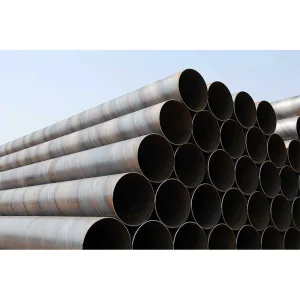
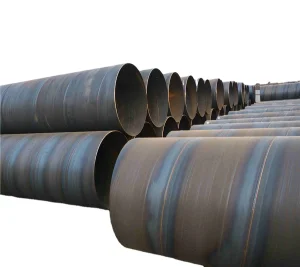
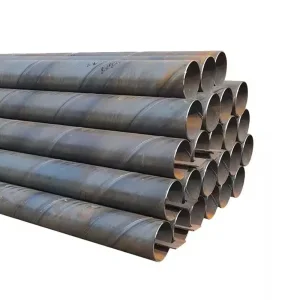
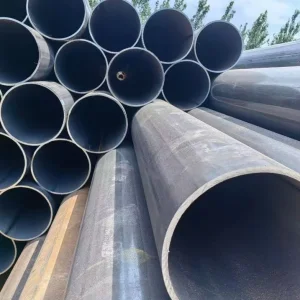
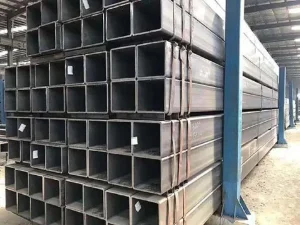
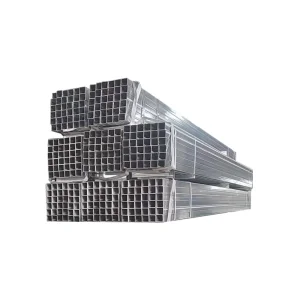
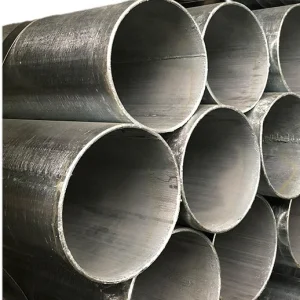
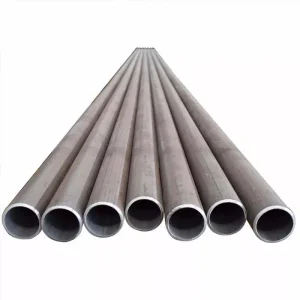
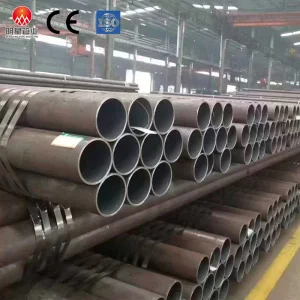
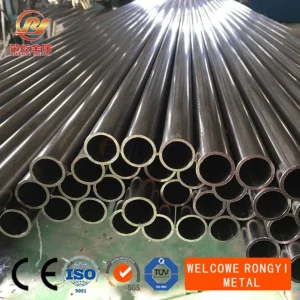
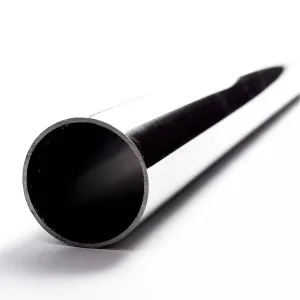
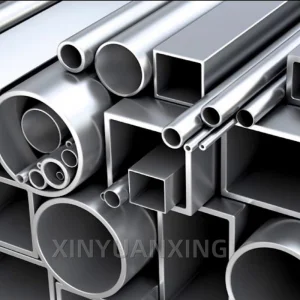
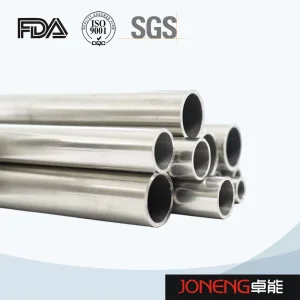
Engineered for low-pressure fluid transport and robust structural engineering applications across Africa.
Equatorial Guinea, located strategically in the Gulf of Guinea, stands as one of Sub-Saharan Africa's key hydrocarbon-producing regions. With major projects anchored around Bioko Island (Malabo) and the mainland (Bata), the country requires a reliable supply of heavy-duty engineering infrastructure. In particular, welded steel pipes serve as the primary lifelines for oil and gas gathering lines, gas monetization schemes at Punta Europa, and municipal offshore marine discharge frameworks.
As deepwater exploration moves towards mature fields and marginal wells, project developers are shifting from traditional heavy-wall seamless pipes to high-precision Submerged Arc Welded (SSAW/LSAW) options. These alternatives offer superior dimension consistency and cost efficiency. Local infrastructure projects, under the national economic development agenda, further demand standardized carbon steel structural tubes for port expansions in Luba and Bata, as well as municipal water distribution pipelines.
Navigating these local requirements demands sourcing partners who understand maritime logistics constraints, local content policies, and the corrosive tropical maritime environment typical of the region.
Ensuring absolute weld integrity, dimensional accuracy, and corrosion resistance for high-pressure applications.
Choosing the correct welding metallurgy is critical for structural stability and preventing hydrogen-induced cracking (HIC) in offshore gas transport.
| Property | LSAW | SSAW (Spiral) | ERW |
|---|---|---|---|
| Diameter Range | 16" - 60" | 8" - 120" | 1/2" - 24" |
| Wall Thickness | Up to 60mm | Up to 25mm | Up to 20mm |
| Seam Configuration | Single/Double Straight Seam | Helical Spiral Seam | Straight High-Freq Weld |
| Common Standard | API 5L PSL2, ASTM A672 | API 5L, GB/T 9711 | ASTM A53, BS 1387 |
For operations in demanding marine environments, welded seams must meet or exceed the performance of the seamless parent metal. This is achieved through precise metallurgy controls (low carbon equivalent CEQ formulas) and rigorous online testing regimes.
Our manufacturing and testing protocols feature:
Your Trusted Global Partner in Industrial Steel Tubing and Pipeline Infrastructure.
Dongguan Dactron Pipes Co., Ltd. is a professional manufacturer specializing in steel pipes and steel tubes, offering carbon, seamless, and welded steel solutions for a wide range of industrial applications. Located in Dongguan, one of China’s leading manufacturing centers, the company benefits from advanced infrastructure, skilled workforce, and efficient global logistics.
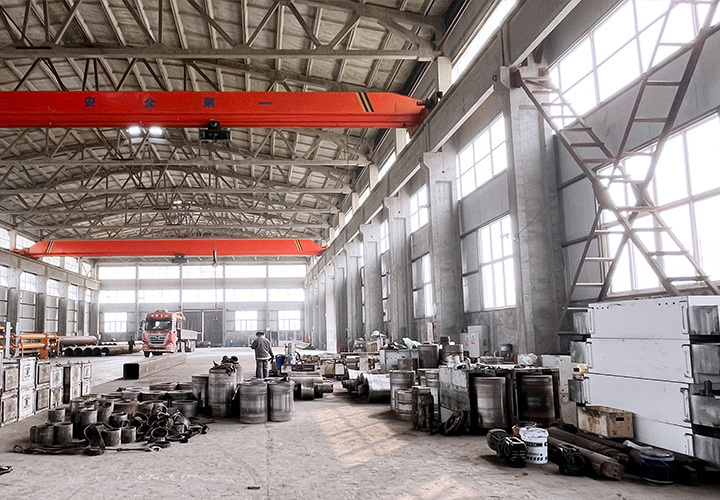
Founded in 2012, Dactron began as a regional supplier of standard carbon steel pipes for construction and mechanical use. With continuous investment in production technology and quality control systems, the company expanded into seamless and welded steel pipe manufacturing by 2016. In 2019, Dactron further enhanced its capabilities by introducing automated production lines and precision testing equipment, enabling it to meet the growing demands of international markets.
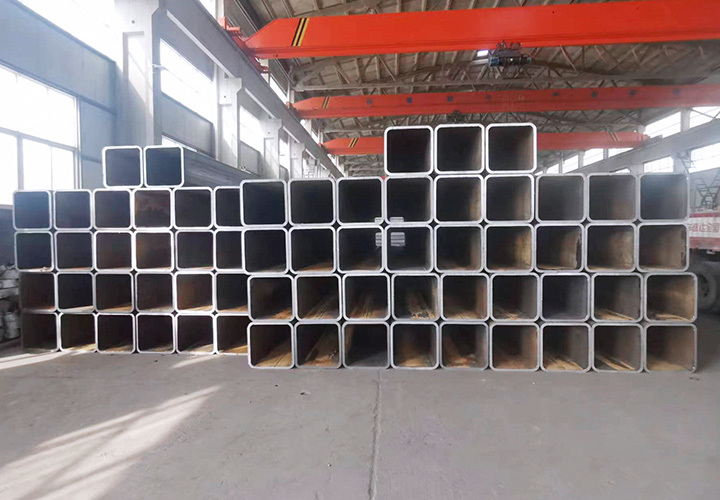
The company’s product portfolio includes seamless steel pipes, welded steel tubes, ERW pipes, structural tubes, and customized solutions for various industries such as construction, oil & gas, infrastructure, and machinery manufacturing. All products are manufactured in accordance with international standards and undergo strict inspection to ensure durability, strength, and performance.
Dongguan Dactron Pipes Co., Ltd. operates under ISO 9001 quality management systems and supports OEM/ODM services to meet diverse customer requirements. With a commitment to innovation, reliability, and customer satisfaction, Dactron continues to deliver cost-effective steel piping solutions worldwide.
Maritime transport logistics play a major role in keeping deepwater gas developments and civil infrastructures on schedule. Dactron leverages its proximity to core shipping hubs in Southern China to establish reliable delivery lines directly to Equatorial Guinea’s active ports.
Equatorial Guinea, as a CEMAC member state, applies specific customs duties and regional import frameworks. To prevent delays in clearing customs at Malabo or Bata, all incoming steel pipe shipments must match the technical specifications declared in pre-shipment inspections.
Our expert documentation department issues complete Mill Test Certificates (MTC) conforming to EN 10204 3.1 or 3.2, comprehensive chemical breakdowns, physical stress analysis curves, and origin attestations. Whether you are ordering API 5L line pipes for oil transmission or standard ASTM A53 black steel pipes for HVAC and water systems, our technical documentation is structured to help clear regulatory checkpoints smoothly.
We also offer tailored packaging options for anti-corrosion pipeline orders, such as 3-Layer Polyethylene (3LPE), Fusion Bonded Epoxy (FBE), or Hot Dip Galvanizing (HDG), ensuring the protection of your cargo throughout long ocean transits.
Why modern engineering firms specify Dactron Welded Pipes for complex industrial projects.
Our stainless and high-end carbon welded pipes undergo thermal processing to resist localized corrosion in environments containing hydrogen sulfide (sour gas).
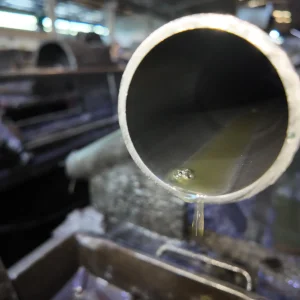
Utilizing high-end cold expanding tools ensures minimal wall thickness variations, exact roundness, and straightforward matching during site welding.
We supply internal and external coatings (3LPE, FBE, epoxy lining, and zinc hot-dip plating) designed to withstand humid, high-salinity coastal environments.
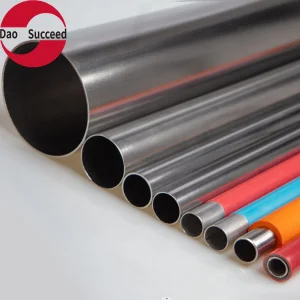
Browse through our carbon and stainless steel welded variants, available for global logistics support.
The global steel industry is experiencing shifts toward sustainable manufacturing and specialized metallurgy. In West African markets like Equatorial Guinea, deepwater applications require materials with higher strength, lower carbon equivalent values, and resistance to environmental stress cracking. Dactron remains at the forefront of this evolution, investing in R&D to align our processes with the demands of modern energy projects.
Key focus areas include:
The demand for high-strength welded steel tubing is driven by oil and gas exploration, global shipping terminal construction, and municipal utility modernization programs.
Frequently asked questions by pipeline engineers and procurement officers sourcing for West Africa.
Longitudinal Submerged Arc Welded (LSAW) pipes feature a single straight seam and are typically specified for high-pressure, critical offshore pipelines due to their high dimensional accuracy and uniform strength. Spiral Submerged Arc Welded (SSAW) pipes utilize a helical seam, making them cost-effective for large diameters (often for water transmission or lower-pressure systems) and helping to limit crack propagation.
We offer various anti-corrosion coating options, including 3-Layer Polyethylene (3LPE), Fusion Bonded Epoxy (FBE), internal cement mortar lining, and hot-dip galvanizing. These coatings isolate the underlying carbon steel from saline spray, high humidity, and acidic marine environments, extending the operational life of structural and fluid transmission systems.
All pipeline shipments are accompanied by a Mill Test Certificate (MTC) conforming to EN 10204 3.1 or 3.2. This includes comprehensive chemical ladle analysis, mechanical tension test results (yield, tensile, elongation), hydrostatic test pressures, charpy V-notch impact values, and non-destructive testing reports (ultrasonic and X-ray).
Depending on order volume and required customization (e.g., coating, beveling, testing), manufacturing takes 20 to 45 days. Transit time via major ocean carriers from Chinese ports (Shenzhen/Guangzhou) to Malabo or Bata ranges from 30 to 40 days, including custom clearances at the export stage.
Yes. We work closely with international verification agencies like SGS, Bureau Veritas, DNV-GL, and Intertek. Clients can request pre-shipment inspections (PSI) covering thickness checks, visual surface verification, coating adhesion tests, and weld inspection audits.
Yes, our production lines are adjustable. With both LSAW and SSAW techniques, we can accommodate non-standard outer diameters (OD) and heavy wall thicknesses. Our team can evaluate your custom structural or fluid-transport specs to ensure alignment with our manufacturing capacities.
 Dactron Pipe