Why galvanized steel pipes are used in China is closely linked to scale, climate, and maintenance costs. China produced about 1,005 million tonnes of crude steel in 2024, according to World Steel Association’s World Steel in Figures 2025. This enormous industrial base supports widely available steel pipe manufacturing, zinc processing, and fabrication services. Galvanized pipes therefore fit China’s construction, agricultural, fire-protection, and utility projects.
Protection matters.
A zinc coating shields steel from rain, humidity, and oxygen. It also offers sacrificial protection when small scratches expose the steel surface. The American Galvanizers Association reports that hot-dip galvanized coatings can protect steel for decades, depending on coating thickness and local exposure. The International Lead and Zinc Study Group also identifies China as a major global zinc consumer, supporting the material supply behind galvanized products.
Corrosion expert Mars G. Fontana defined corrosion as “the deterioration of a material by chemical or electrochemical reaction with its environment.” That principle explains much of the answer. Galvanized steel pipes provide a visible, practical barrier around the steel wall. A dull silver surface, sealed threads, and fewer repainting cycles can simplify field maintenance.
Still, the case is not perfect.
Galvanized pipes may perform poorly in highly acidic water, extreme heat, or poorly matched plumbing systems. Drinking-water applications also require compliance with applicable Chinese standards and project specifications. GB/T 13912 and ISO 1461 provide important coating guidance, but design conditions still matter. Engineers should check water chemistry, wall thickness, joint quality, and expected service life before choosing galvanized steel. That caution makes the material more reliable, not less useful.
What Galvanized Steel Pipes Are
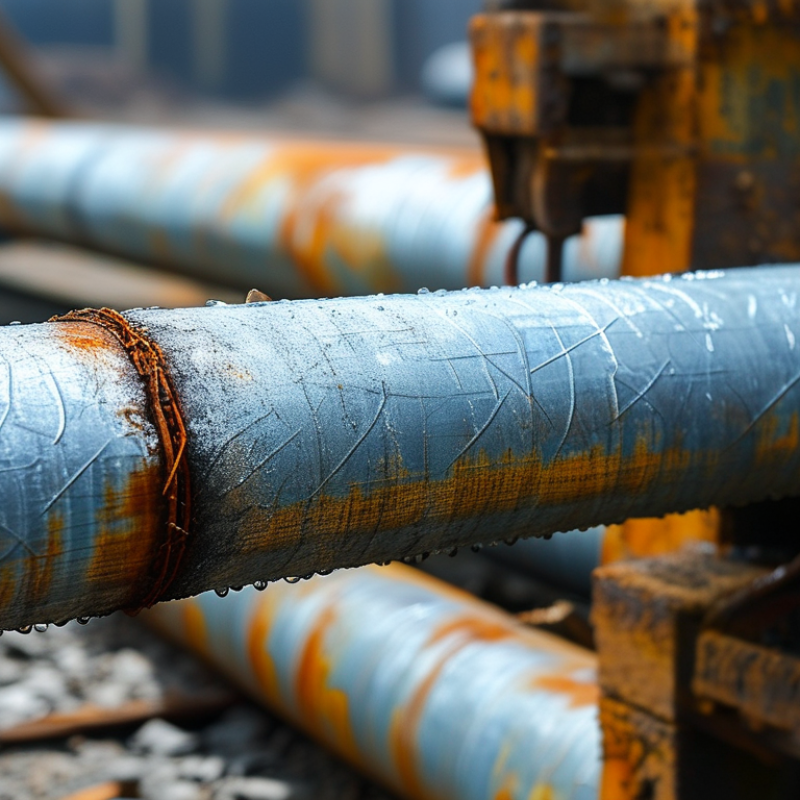
Galvanized steel pipes are carbon steel pipes protected by a zinc coating. The coating is usually applied through hot-dip galvanizing. During this process, cleaned steel enters a bath of molten zinc. The zinc bonds with the surface and forms a durable protective layer. It helps slow rust when pipes face moisture, rain, or humid air. Small scratches may still receive protection because zinc can act sacrificially. This makes galvanized pipes practical for water lines, scaffolding, handrails, and outdoor structures across China.
Their silver-gray surface is easy to recognize, but appearance alone proves little. Buyers should check wall thickness, outside diameter, coating uniformity, and threaded quality. Reliable suppliers provide inspection records and test results. In actual projects, installers often value their long service life and simple handling. However, galvanized steel is not perfect. Standing water, damaged threads, and harsh chemicals can still cause corrosion. Some water systems may also require different pipe materials. Local project standards and professional engineering advice should guide selection.
Tips: Store pipes above wet ground and keep them covered, but allow ventilation. Avoid dragging bundles across concrete surfaces. Inspect cut ends before installation. Use compatible fittings and sealants. A thin, uneven coating deserves attention, even when the pipe looks bright. My practical view is simple: galvanized pipes perform well when the coating, installation, and environment match.
How the Galvanization Process Protects Steel Pipes
Galvanized steel pipes are widely used in China because they balance strength, availability, and corrosion resistance. Hot-dip galvanization protects these pipes through a carefully controlled coating process. Before dipping, workers remove oil, rust, and mill scale from the steel surface. The cleaned pipe then enters molten zinc, usually at about 450°C. Zinc bonds with the steel and forms several protective layers. The finished surface often has a silvery, spangled texture. This appearance is not merely decorative.
The zinc coating protects steel in two ways. It creates a physical barrier against oxygen and moisture. More importantly, zinc corrodes preferentially when exposed to air or water. This sacrificial action can protect small scratches in the steel. In humid coastal cities, that extra defense may slow the growth of red rust. In buried pipelines, soil chemistry still matters. Acidic soil, standing water, and trapped debris can attack the coating. Galvanization is not magic.
Reliable installation begins with careful handling.
Inspectors commonly check coating continuity, thickness, and adhesion before pipes enter service. Threads and cut ends need attention because bare steel may appear there. Good drainage prevents water from collecting around joints. Field repairs should use compatible zinc-rich materials and follow project specifications. From practical site experience, careless lifting can scrape fresh coatings. That small flaw may become a visible rust spot. This is easy to overlook.
Why Galvanized Steel Pipes Are Widely Used in China
Galvanized steel pipes are widely used in China because they offer practical protection in demanding construction environments. A zinc coating shields steel from moisture and slows corrosion through sacrificial protection. This matters in coastal cities, humid southern regions, and busy industrial areas.
On construction sites, workers value their strength, familiar installation methods, and relatively stable supply. The pipes also tolerate pressure and impact better than many lightweight alternatives.
That makes them useful for water distribution, drainage, scaffolding, and fire-protection systems.
China’s large infrastructure projects also encourage standardized pipe sizes and repeatable installation. Engineers can specify galvanized steel for factories, warehouses, agricultural facilities, and temporary structures with clear technical requirements.
Hot-dip galvanizing usually provides a thicker, more durable coating than simple painting. However, galvanized steel is not suitable for every service. Continuous contact with highly acidic or alkaline water can damage the coating.
Some drinking-water applications require strict compliance with current sanitary standards. Interior rust can still appear after cutting, threading, or poor storage. Small details matter.
In practice, exposed pipe ends should receive proper protection, and installers should avoid trapping water against the surface.
The material is reliable, but not maintenance-free. That limitation deserves more attention during project planning.
Main Applications of Galvanized Steel Pipes in China
Why Are Galvanized Steel Pipes Used in China?
Galvanized steel pipes serve many practical roles in China’s construction and municipal projects. Their zinc coating helps slow rust in humid outdoor environments. This makes them useful for water supply lines, drainage supports, and temporary site facilities. On a construction site, workers often use them for guardrails, scaffolding components, and protective barriers. The familiar silver surface also makes damage easier to notice.
Urban fire protection is another major application. Galvanized pipes can carry water through sprinkler systems when project specifications and local standards permit them. They are also installed in residential buildings, warehouses, factories, and public facilities. In agricultural areas, smaller galvanized pipes support irrigation networks, greenhouse frames, and livestock facilities. Their rigid structure tolerates frequent handling better than many lightweight alternatives.
Industrial plants use galvanized pipes for low-pressure utility lines, cable protection, ventilation supports, and compressed-air systems. However, selection should not rely on appearance alone. Water chemistry, operating temperature, wall thickness, and connection methods all affect service life. Some projects choose galvanized steel automatically, even when coated or plastic systems may perform better. That habit deserves review. Field inspections also find poorly sealed threads and cut edges, where corrosion can begin early. Proper storage, installation, and touch-up treatment remain necessary.
Standards, Benefits, and Limitations to Consider
Why Are Galvanized Steel Pipes Used in China?
In China, galvanized steel pipes remain common because they combine strength, availability, and practical corrosion protection. Engineers often select them for water distribution, fire protection, scaffolding, and outdoor utility work. The zinc coating protects exposed steel from moisture and oxygen. It also gives inspectors a visible surface to check.
Standards matter more than appearance. GB/T 3091 covers welded steel pipes for low-pressure fluid transport, while GB/T 13912 addresses hot-dip galvanized coatings. Project documents may require additional tests for wall thickness, coating mass, dimensions, and leakage. Buyers should request inspection records and material traceability. A bright surface alone proves very little. On site, I would examine cut ends, threads, weld areas, and damaged sections before installation.
The benefits are practical. Galvanized pipes tolerate handling better than many painted alternatives. They also reduce routine coating work in damp service areas. Yet the protection has limits. Cutting, threading, and welding can expose bare steel. These areas need suitable repair treatment. Strongly acidic or alkaline fluids may attack zinc quickly. High temperatures can also reduce service performance. Water chemistry matters too. A pipe may look sound while internal corrosion develops slowly. This is easy to miss. Some specifications also restrict galvanized steel for particular potable-water applications. Selection should follow the fluid, temperature, pressure, installation environment, and applicable local requirements. Overlooking one factor can turn a reliable pipe into an expensive replacement.
Why Are Galvanized Steel Pipes Used in China?
Galvanized steel pipes are widely used in China because the zinc coating helps protect carbon steel from atmospheric corrosion while maintaining the strength and cost advantages of steel. The chart compares minimum yield-strength values from commonly referenced pipe standards and grades.
Benefits
Zinc provides a barrier layer and offers sacrificial protection when the steel surface is scratched. Galvanized pipes are also familiar to Chinese construction, water-supply, fire-protection, agricultural, and outdoor infrastructure projects.
Standards
GB/T 3091 covers welded steel pipes for low-pressure fluid service in China. International references such as ASTM A53 and EN 10255 also define mechanical and dimensional requirements for steel tubes that may be supplied with galvanized coatings.
Limitations
Zinc protection decreases in highly acidic, alkaline, saline, or continuously wet environments. Galvanizing does not replace correct wall-thickness selection, welding procedures, inspection, or compatibility checks for drinking-water and high-temperature service.
Data shown are minimum yield-strength values in MPa for representative grades: GB/T 3091 Q235B, GB/T 3091 Q355B, ASTM A53 Grade B, and EN 10255 S195T. Values can vary with product thickness, edition, and certification conditions; yield strength is a steel-property comparison, not a direct measure of zinc-coating durability.
Conclusion
Galvanized steel pipes are steel pipes coated with a protective layer of zinc to improve their resistance to rust and environmental wear. During galvanization, the steel is carefully cleaned and immersed in molten zinc, creating a durable coating that helps shield the pipe from moisture, oxygen, and other corrosive factors. This process can extend service life, reduce maintenance needs, and support reliable performance in demanding conditions.
The question of why galvanized steel pipes are used in China is closely related to their balance of durability, cost, and versatility. They are widely applied in water supply and drainage systems, construction structures, agricultural irrigation, fire-protection networks, and industrial projects. When selecting these pipes, users should consider applicable standards, coating quality, dimensions, installation requirements, and expected service conditions. Although galvanized pipes offer strong corrosion protection and long-term value, the zinc layer may eventually wear in highly aggressive environments, and cutting or welding can require additional protection.

 Dactron Pipe