In today's global market, the demand for steel pipes continues to rise. According to industry data, the global steel pipe market is expected to reach a value of over $160 billion by 2025. This boom highlights the importance of understanding how to transport steel pipes safely. Proper handling and logistics are crucial to maintaining pipe integrity and ensuring cost-effective delivery.
Transportation challenges are significant. Steel pipes are heavy and cumbersome, making them prone to damage during transit. Reports indicate that mishandling can lead to a loss of up to 20% of shipment value. Addressing these issues requires expertise and adherence to safety protocols. Companies must invest in training and equipment to minimize risks.
Moreover, the methods of transportation must align with industry standards. For instance, using specialized trucks and cranes can mitigate damage during loading and unloading. Regular audits of processes can reveal areas for improvement. As companies strive for reliability, they must reflect on their logistics strategies. Knowing how to transport steel pipes safely is not just a logistic task; it is a critical component of maintaining competitive advantage in the steel market.
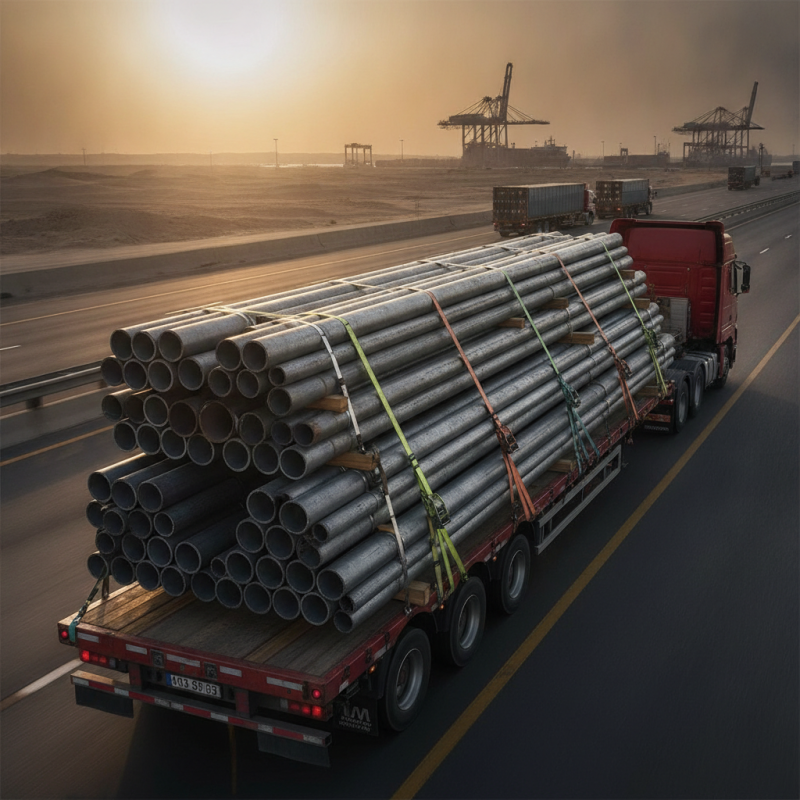
Transporting steel pipes safely is crucial for a multitude of reasons. First, the steel industry operates on a global scale. Any mishap during transportation can lead to significant financial losses. Damaged or lost pipes can delay projects and disrupt supply chains. This emphasizes the importance of robust logistics planning. Knowledgeable professionals should oversee the process to ensure safety compliance.
When transporting steel pipes, handling and securing are vital. Workers must be trained on proper techniques. Use appropriate equipment like cranes and straps. Both can minimize risks during lifting and loading. Equally important is the route selection. Avoiding roads with heavy traffic can reduce potential accidents. Regular checks of vehicles and equipment are necessary as well.
Despite having protocols in place, challenges persist. Weather conditions can change quickly, affecting transport safety. Moreover, not all materials used for securing pipes may be reliable. Continuous training and adjustment of practices are necessary. Reflection on past transportation experiences can yield improvements. Safety should always remain the priority in steel pipe logistics.
When transporting steel pipes, choosing the right packaging materials is crucial for ensuring safety and integrity. According to the American Institute of Steel Construction, improper packaging can lead to significant loss during transportation. Steel pipes, being heavy and prone to damage, require robust packaging solutions. Materials such as high-strength steel bands and protective padding can help prevent scratches and dents.
One common mistake is using inadequate cushioning. Many buyers underestimate the impact of vibrations and external forces during shipment. In fact, a report by the International Association of Steel Pipe Manufacturers suggests that nearly 15% of damage occurs due to poor cushioning. Here are some tips: always opt for dense foam inserts or plywood crates that can absorb shocks effectively.
Proper labeling is another area often overlooked. Clear labels inform handlers about the contents and handling instructions. This practice minimizes the risk of mishandling. Ensure that labels are weather-resistant and securely attached. Remember, attention to detail can significantly reduce the chances of damage. Continuously evaluate your packaging approach, adapting based on past shipment experiences, to improve future outcomes.
| Packaging Material | Description | Advantages | Disadvantages |
|---|---|---|---|
| Wooden Crates | Robust crates built from high-quality wood. | Durable, reusable, provides excellent protection. | Heavy, potential for pest issues. |
| Steel Strapping | Tightly secures pipes for transportation. | Very strong and secure. | Can be expensive, requires proper application tools. |
| Plastic Wrapping | Flexible wrap used to cover pipes. | Lightweight, waterproof, and cost-effective. | Less protective against heavy impacts. |
| Pallets | Platforms used to stack pipes for loading. | Facilitates easy handling and storage. | Requires additional securing methods. |
| Foam Inserts | Custom-molded protective foam for pipes. | Excellent shock absorption and cushioning. | Costly for larger quantities. |
Transporting steel pipes requires careful planning and execution. The loading process is critical for preventing damage during transport. Research indicates that improper loading contributes to over 30% of shipping accidents related to steel products. Proper techniques must be employed to minimize risks.
When loading steel pipes, weight distribution plays a vital role. Heavy pipes should be placed at the bottom of the vehicle, which lowers the center of gravity and enhances stability. Using appropriate dunnage materials helps protect the pipes and absorb shocks. According to industry standards, straps and chains should secure the load, preventing movement during transit. Moreover, it is essential to inspect the load after securing it.
Drivers and crew must be trained in safe loading practices. They should regularly review safety protocols to stay updated with best practices. An understanding of load limits is crucial. Reports show that exceeding these limits can lead to serious accidents. Encouraging constant communication among team members during loading ensures everyone is aware of potential hazards. Implementing a checklist for loading procedures can help maintain these standards.
Transporting steel pipes requires careful planning. Compliance with international shipping regulations is crucial. According to a 2022 industry report, 30% of shipping delays are due to regulatory issues. Ensuring all paperwork is accurate avoids unnecessary setbacks.
Documentation is a major aspect of compliance. Bills of lading, customs declarations, and certificates of origin must be completed accurately. Any errors can lead to fines or confiscation. Ensure your team understands the importance of precise documentation.
Tips:
1. Regularly update compliance training for all staff involved in shipping.
2. Conduct audits of shipping practices to identify areas for improvement.
Safety in transport is paramount. Secure steel pipes properly to prevent accidents during transit. Loose loads can cause significant hazards. Data indicates that improper securing accounts for 25% of transportation accidents in the industry, underscoring the need for strict adherence to safety protocols.
Moreover, consider using testing services for hazardous materials. Understanding the type of steel and its compatibility with other materials is key. Not all steel pipes are the same. Each type may have different regulations to follow in international shipping. By staying informed, you can avoid costly mistakes.
Transporting steel pipes is a meticulous process that involves strategic handling and securing techniques. The global steel pipe market is highly competitive, with over 100 million metric tons shipped annually. Protecting these materials from damage is paramount. Research indicates that improper handling can lead to a surprising 30% increase in breakage rates during transportation.
Effective securing techniques are crucial. Using adequate slings and straps is essential for stability. Experts suggest that the angle of slinging should not exceed 45 degrees to prevent slippage. It’s also critical to ensure that steel pipes are not stacked too high, as excess weight can lead to deformation. Striking the right balance in load distribution can greatly minimize risks.
Inadequate padding contributes to heightened damages. Surveys show that 25% of transport-related steel pipe damage stems from insufficient padding or incorrect placement within shipping containers. It’s important to utilize appropriate materials to cushion pipes during transit. Regular inspections before transport can highlight potential weaknesses in packaging. The industry's push for better safety standards hinges on these practices, indicating a need for continuous assessment.
: Safe transportation is crucial to prevent financial losses, project delays, and supply chain disruptions.
Workers must be trained in proper handling techniques to minimize risks during loading and transport.
Improper loading can cause over 30% of shipping accidents, highlighting the need for careful planning and execution.
Use straps and chains to secure loads. An inspection after securing is essential to ensure safety.
Heavy pipes should be loaded at the bottom. This helps lower the center of gravity and enhances stability.
Compliance avoids delays and fines. Regulatory issues account for 30% of shipping delays in the industry.
Accurate documentation is vital. Errors can lead to significant issues like fines or confiscation of cargo.
Compliance training should be regularly updated for all staff involved in shipping to ensure understanding of protocols.
Implementing a checklist can help maintain loading procedures and improve safety awareness among the team.
Continuous reflection on past experiences and regular audits can yield improvements in safety practices.
Transporting steel pipes safely is crucial for maintaining their integrity and ensuring they arrive at their destination without damage. To achieve this, it is essential to choose the right packaging materials that provide adequate protection during transit. Additionally, implementing best practices for loading the pipes onto transport vehicles is vital. This includes securing the pipes effectively to prevent movement and damage.
Further, compliance with international shipping regulations must be prioritized to avoid legal issues and ensure a smooth shipping process. Employing proper handling techniques and securing methods throughout transport significantly reduces the risk of damage. By understanding how to transport steel pipes safely, buyers can safeguard their investments and facilitate efficient global logistics.

Dactron Pipe