Top Tips on How to Store Steel Pipes Properly?

Time:2026-09-29 Author:Liam
0%

Steel pipes are strong, but poor storage can quickly damage their surfaces, edges, and structural quality. Moisture, soil contact, standing water, and careless stacking often create avoidable problems. Learning how to store steel pipes properly helps protect valuable materials from corrosion, deformation, contamination, and handling accidents.

A reliable storage plan begins with the ground beneath the pipes. Choose a firm, level area with effective drainage. Place pipes on timber supports, steel racks, or other stable dunnage, keeping them above the ground. Leave enough space for air movement and inspection. Do not allow pipe ends to rest in puddles. Even a small amount of trapped water can leave rust marks within days.

Stack pipes by size, weight, coating, and intended use. Use chocks or restraints to prevent rolling, especially on sloped surfaces. Keep coated, galvanized, and uncoated pipes separated when practical. Protective caps can reduce dirt entry, but they should not trap moisture inside the pipe. A breathable cover is often safer than a sealed plastic sheet. That detail is easy to miss.

Experienced warehouse teams also inspect storage areas after heavy rain, temperature changes, and vehicle movement. Look for wet supports, damaged coatings, shifted stacks, and blocked drainage. Records should show arrival dates, material grades, inspection findings, and planned use. No storage system is perfect. Weak supports may settle, and covers may fail. Regular checks expose these small problems before they become expensive repairs or safety concerns.
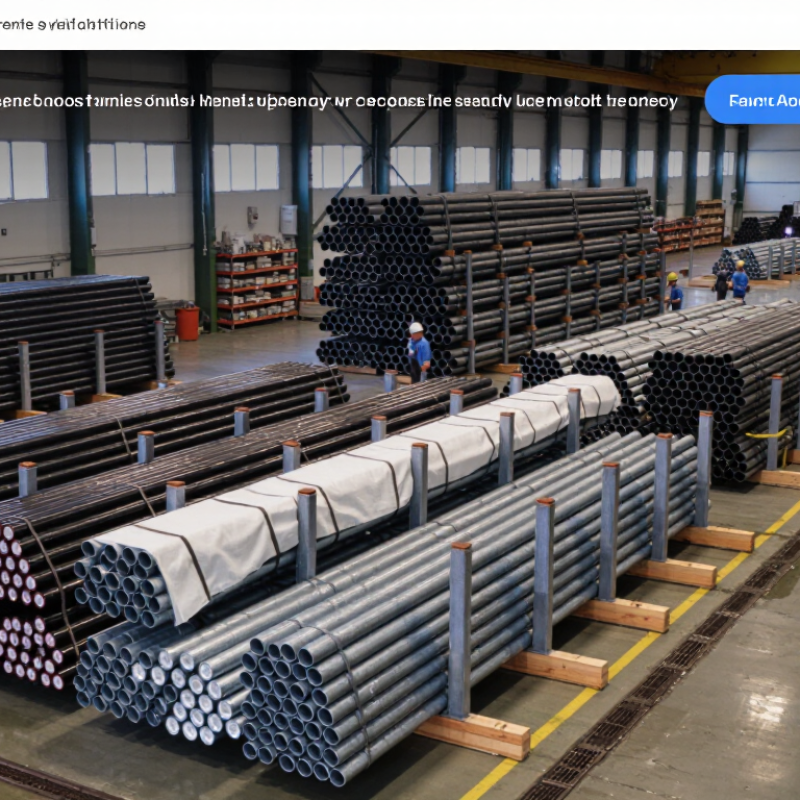
Top Tips on How to Store Steel Pipes Properly?

Classify Pipe Grade, Coating, Diameter, and Storage Risks Before Handling

Before moving steel pipes, identify their grade, coating, diameter, and condition. Check tags, purchase records, or mill certificates when available; color alone is not reliable. Keep different grades separated and mark bundles clearly. This helps prevent mix-ups during cutting or installation. A tag can fall off, though, so verify uncertain stock rather than guessing.

Inspect the coating for scratches, rust, or damp patches. Galvanized, painted, and bare steel may need different handling and storage conditions. Use padded slings where suitable, and avoid dragging pipes across rough concrete. Small coating damage can expose steel to moisture. Record existing marks before handling, especially on pipes intended for exposed service.

Diameter affects how pipes should be stacked and secured. Store them on firm, level supports, with chocks to prevent rolling. Keep heavier or larger pipes low, and avoid high stacks that workers cannot inspect safely. Check the ground for soft spots, standing water, and nearby vehicle paths. Consider wind, rain, and access to lifting equipment before choosing a storage area. Conditions change. Recheck after heavy weather, and adjust the plan if supports shift or bundles become unstable. I have seen tidy stacks become awkward once access is blocked; a clear route matters as much as neat storage.

Keep Steel Pipes at Least 150 mm Above Ground on Level Supports

Top Tips on How to Store Steel Pipes Properly?

Keep steel pipes at least 150 mm above ground on firm, level supports. This clearance helps prevent contact with standing water, mud, and wet soil. Use sound timber or suitable rack supports, and check that each one sits flat before loading. A tilted stack can shift, even when it looks stable.

Place supports at regular intervals along the pipe length, with extra care near the ends and beneath heavier sections. The right spacing depends on pipe diameter, wall thickness, and load; long pipes may sag if supports are too far apart. Keep the stack low enough to remain stable, and use restraints where movement is possible. Avoid narrow contact points that could dent the pipe or damage its coating. Small details matter.

Leave room for air to circulate beneath and between bundles. After rain, inspect the ground and supports; water can collect in spots that seemed dry during setup. Separate different pipe sizes where practical, and keep protective end caps in place if they are fitted. Check the stack periodically for settling, loose restraints, or damaged packing. One thing is easy to miss: supports can sink into soft ground over time. Recheck their level, rather than assuming the original setup will stay sound.

Steel Pipe Storage: Minimum Ground Clearance

Steel pipes should be stored on level supports at least 150 mm above the ground. This clearance is equivalent to 15 cm, 0.15 m, or approximately 5.91 inches, helping reduce contact with standing water, soil, and surface contamination.

Use Chocks and Follow Manufacturer Limits, Commonly a 1.5 m Stack Height

Steel pipes need a stable, deliberate storage arrangement. Select firm, level ground with good drainage and enough space for inspection. Place timber or steel chocks on both sides of every pipe stack. Chocks should resist rolling, not merely touch the lowest pipe. Pipes can roll. Keep the chocks aligned and inspect them after rain, impact, or heavy equipment movement.

Follow the manufacturer’s stacking limits, because diameter, wall thickness, length, coating, and pipe weight all affect stability. A 1.5 m stack height is commonly used as a practical reference, but it is not a universal rule. Confirm the approved height from technical documentation and site procedures.

Use dunnage between layers when specified, keeping each support directly above the one below. Uneven supports can create concentrated pressure and damage coatings. Do not mix pipes with very different sizes unless the storage plan allows it. The smaller pipes may shift beneath larger ones.

Leave safe access routes for lifting equipment and workers. Mark the stack height clearly, then check it during routine inspections.

In practice, storage teams sometimes focus on height and overlook ground settlement. That mistake deserves attention.

A level stack can become unstable when one support sinks. Recheck the area before adding more pipes.

Separate Carbon, Stainless, and Galvanized Pipes to Prevent Contamination

Top Tips on How to Store Steel Pipes Properly?

Separate Carbon, Stainless, and Galvanized Pipes to Prevent Contamination

Steel pipes need more than a dry corner and a sturdy rack. Keep carbon steel, stainless steel, and galvanized pipes in clearly marked, separate storage zones. Carbon-steel dust and loose rust can transfer onto stainless surfaces, leading to stains or corrosion. Galvanized pipe needs protection too; rough contact can damage its zinc coating. Keep them apart.

Use dedicated rack supports or clean, nonmetallic padding where practical. This reduces scratches and prevents residue from one pipe type rubbing onto another. Store pipes off the ground, with enough space for air to circulate beneath and between bundles. Keep the area dry, and direct rainwater away from stored materials. Avoid letting different pipe types share runoff.

Label each bundle with its material and grade, then check the labels when pipes are moved. A painted rack marker can fade or get covered, so add a durable tag to each bundle. On busy yards, this simple step is easy to skip. It is also where mix-ups begin. Inspect contact points and protective coverings periodically, especially after handling or wet weather. Repair damaged packaging and replace dirty separators before storing the pipes again.

Inspect Stored Pipes Every 30 Days for Corrosion, Damage, and Settlement

Steel pipes need more than a roof and a tidy stack. Store them on level, well-drained supports, above standing water and soil. Use timber or non-abrasive dunnage to prevent direct ground contact. Keep pipe ends capped when practical, but avoid trapping moisture inside. Separate different sizes to reduce rolling, impact, and unstable loading.

Tips: Inspect every 30 days. Walk the full storage area, not only the front row. Look for red or white corrosion, coating blisters, dents, cracked ends, missing caps, and bent supports. Check whether pipes have shifted or settled into soft ground. A simple checklist should record the date, location, photographs, and corrective action. I have learned that clean-looking pipes can hide corrosion beneath wet dunnage.

The NACE IMPACT study estimated global corrosion costs at about US$2.5 trillion annually, equal to roughly 3.4% of global GDP. That figure supports frequent, documented inspections. ASTM A700 also emphasizes suitable handling, loading, and protection for steel products. A thirty-day interval is practical, but not magical. Inspect sooner after heavy rain, flooding, impact, or temperature changes. Remove surface water, replace damaged dunnage, and isolate affected pipes before corrosion spreads. Do not stack higher than the support plan allows. Small settlement can become a serious stability problem.

Top Tips on How to Store Steel Pipes Properly? — Inspect Stored Pipes Every 30 Days for Corrosion, Damage, and Settlement

Inspection Dimension What to Check Every 30 Days Good Storage Condition Action if an Issue Is Found Record in the Inspection Log
Corrosion and moisture Look for rust, water marks, damp contact points, and moisture trapped beneath covers or between pipes. Pipes are dry, and there is no active water pooling or moisture trapped under protective coverings. Remove standing water, improve drainage and airflow, and assess corrosion. Repair protective coatings according to the coating supplier’s instructions. Rust location and extent, moisture observed, and corrective action taken.
Pipe coating and surface condition Check for scratches, dents, peeling coating, or damage from handling and contact with supports. Protective coatings remain intact; pipes are not resting directly on abrasive or contaminated ground. Separate affected pipes where needed and arrange coating assessment or repair before installation or further storage. Pipe identification, damage location, and repair or hold status.
Supports and ground contact Inspect supports for movement, breakage, deterioration, and uneven loading; confirm pipes remain clear of soil and standing water. Supports are stable and suitable for the pipe load, with clear drainage around the storage area. Restrict access to an unstable stack, then reposition or replace supports using a safe handling plan. Support condition, affected stack, and work required.
Settlement and stack stability Compare the stack with its previous inspection. Look for sinking supports, leaning, shifting, or changes in the ground. The stack remains stable, with no visible settlement or movement since the last inspection. Keep people clear of an unstable stack and have it assessed and safely restacked. Address the cause of ground settlement before restacking. Observed movement, location, and escalation or corrective action.
Stacking and separation Check that pipes are restrained from rolling and that different sizes, grades, or materials remain identifiable and separated as required. Stacks are arranged on stable supports, secured against rolling, and within the site’s approved stacking limits. Reconfigure the stack using approved handling procedures. Do not exceed limits set by the storage plan or applicable handling guidance. Stack location, identification or separation issue, and action taken.
Pipe ends and internal cleanliness Check end caps or other specified protection for missing or damaged pieces; look for visible debris or water inside accessible pipe ends. End protection is in place where required and helps keep out dirt and precipitation. Replace missing or damaged protection and clean or assess affected pipes before use, as appropriate. Number of affected pipes, condition found, and follow-up required.
Weather covers and drainage Check covers for tears, pooling, loose edges, and signs that moisture is being trapped underneath. Covers shed precipitation while allowing suitable airflow; water can drain away from the storage area. Secure or replace damaged covers and adjust them to prevent water pooling and condensation buildup. Cover condition, drainage issue, and adjustment made.
Inspection follow-up Confirm that issues from the previous inspection were addressed and identify any pipe or stack placed on hold. Findings, actions, and responsible follow-up are documented and traceable. Assign an owner and due date for open actions; clearly identify material that should not be used pending assessment. Inspection date, inspector, open actions, responsible person, and due date.

Inspection interval: Complete and document an inspection at least every 30 days, and inspect sooner after severe weather, handling, or any event that could affect the stack or storage area. Follow the applicable site storage plan and pipe or coating requirements.

FAQS

What should I check before handling steel pipes?

Check the grade, coating, diameter, and visible condition. Use tags or records when available; color alone is unreliable.

How can I prevent pipe grades from getting mixed up?

Keep different grades apart and mark each bundle clearly. Tags can fall off, so verify uncertain stock instead of guessing.

How should I protect pipe coatings during handling?

Use padded slings where suitable, and avoid dragging pipes over rough concrete. Record existing marks, especially on pipes intended for exposed service.

How far above ground should steel pipes be stored?

Keep them at least 150 mm above ground on firm, level supports. This helps keep pipes away from mud and standing water.

Where should supports be placed along a pipe?

Space supports along the pipe, with extra care near the ends and under heavier sections. Spacing depends on diameter and wall thickness.

How can I reduce the risk of pipes rolling or shifting?

Use chocks and suitable restraints. Keep stacks low, and check that supports sit flat before loading.

What should I look for in the storage area?

Check for soft ground, standing water, and nearby vehicle paths. Leave a clear route for handling equipment.

What should I do after heavy rain or wind?

Recheck the ground, supports, and restraints. Supports may sink or shift, even if the stack looked stable before.

Why leave space between pipe bundles?

Air circulation helps limit damp conditions. Keep end caps in place when fitted, and inspect for trapped water after rain.

Is a neat-looking stack always safe?

Not necessarily. A blocked access route or a slightly tilted support can create problems; the setup deserves another look.

Conclusion

Learning how to store steel pipes properly begins with careful preparation. Before handling the materials, classify them by pipe grade, coating, diameter, and potential storage risks. This information helps determine suitable support methods, stacking limits, and separation requirements. Store pipes on level supports at least 150 mm above the ground to protect them from standing water, mud, and uneven settlement. Use secure chocks to prevent rolling, shifting, or accidental movement, and follow the manufacturer’s recommended limits, with a commonly used maximum stack height of about 1.5 meters.

Different materials should be stored separately to reduce the risk of contamination and surface damage. Carbon steel, stainless steel, and galvanized pipes should not be mixed without proper protection. A regular inspection program is also essential. Check stored pipes at least every 30 days for corrosion, coating damage, deformation, unstable supports, and ground settlement. Prompt corrective action can help maintain pipe quality and improve storage safety.

Liam

Liam

Liam is a dedicated marketing professional with a profound expertise in the industry, where he excels at highlighting the unique advantages of our core products. With a keen understanding of market trends and consumer needs, Liam frequently updates our company’s professional blog, providing......