How to Test Steel Pipe Strength for Reliable Performance?

Time:2026-05-22 Author:Amelia
0%

Testing steel pipe strength is essential for ensuring reliable performance in construction and manufacturing. The American Society for Testing and Materials (ASTM) highlights that steel pipes must withstand significant pressure and stress. Understanding how to test steel pipe strength can help in achieving industry standards and safety regulations.

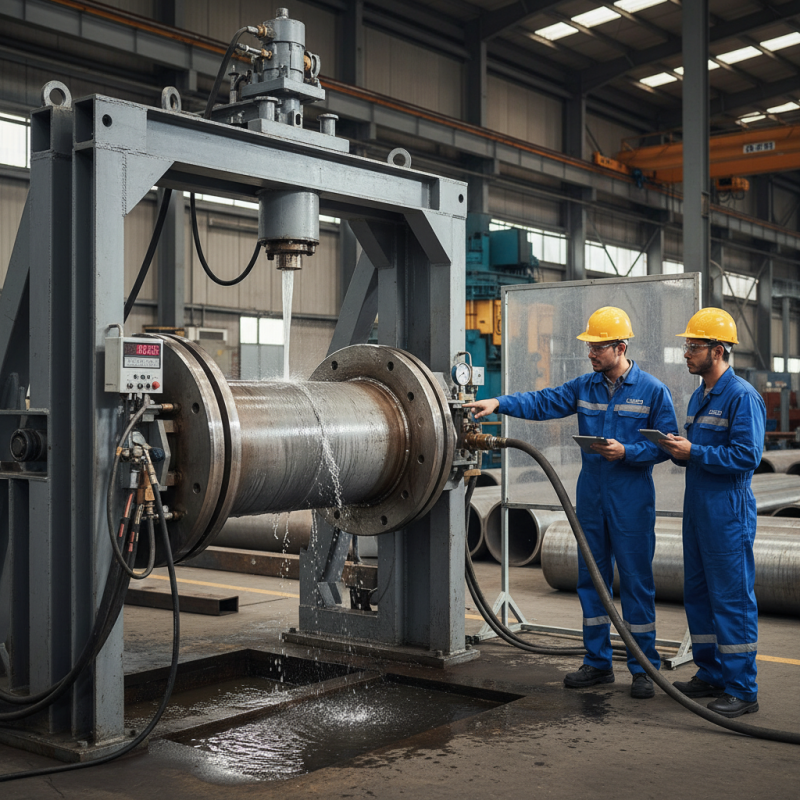
One common method involves the hydrostatic test, which applies water pressure to determine the pipe's integrity. Reports indicate that nearly 10% of pipes fail during these tests, raising concerns about material quality and manufacturing processes. Further analysis shows that improper testing procedures can lead to catastrophic failures in critical infrastructure.

To maintain reliability, companies must adhere to rigorous testing protocols. Industry data reveals that robust testing can reduce failure rates by up to 40%. This highlights the importance of knowing how to test steel pipe strength effectively. Emphasizing accountability in testing not only ensures safety but also improves overall operational efficiency. Companies should continuously refine their testing methods to adapt to evolving standards.
How to Test Steel Pipe Strength for Reliable Performance?

Understanding the Importance of Testing Steel Pipe Strength

Testing the strength of steel pipes is vital for ensuring their reliability in various applications. Steel pipes are used in construction, plumbing, and industrial processes. A failure can lead to costly damages and safety hazards. Understanding how to properly test these pipes can save time and resources in the long run.

One common method is tensile testing, which measures how much force a pipe can withstand before breaking. This test provides clear data about the material's ductility and tensile strength, offering insights into its performance under pressure. However, not all testing methods are foolproof. Factors like environmental conditions and material imperfections can skew results. Consider using multiple tests for a comprehensive assessment.

Another approach is the hydrostatic test. This method involves filling the pipe with water and applying pressure to check for leaks. It is simple yet effective. Still, it may not detect flaws that only appear under different conditions. Inspectors must analyze the results carefully. Inconsistent data can arise from improper testing techniques or equipment malfunctions. Thus, it's crucial to maintain high standards in testing protocols.

Common Methods for Assessing Steel Pipe Strength

When assessing the strength of steel pipes, several methods can be used to ensure reliability and performance. One common approach is the tensile test, where a sample is pulled until it breaks. This test measures ductility, elasticity, and yield strength. Inspectors can evaluate how the material responds to stress and determine if it meets the necessary standards.

Another effective method is the hydrostatic test. In this process, the pipe is filled with water and pressurized to check for leaks and weak points. This not only helps assess the pipe's structural integrity but also identifies any flaws in welds or seams. While this method is widely adopted, its effectiveness can depend on accurate pressure measurements and proper calibration of equipment.

Ultrasonic testing is also popular for evaluating steel pipe strength. High-frequency sound waves are sent through the pipe to detect flaws. This method is non-destructive and offers real-time data. However, it requires skilled operators and specialized equipment. Each of these methods has its pros and cons, and understanding their limitations is crucial for achieving reliable results.

Essential Equipment for Steel Pipe Strength Testing

When testing steel pipe strength, the right equipment is crucial. Several tools are needed for accurate results. A universal testing machine is essential for measuring tensile strength. It applies a controlled load to the pipe until failure occurs. This machine should be calibrated regularly for reliability.

Another important piece of equipment is a hardness tester. This tool can evaluate how resistant the pipe is to deformation. Different hardness scales provide various insights into material properties. Ultrasonic thickness gauges are also vital. They help detect any internal flaws or weaknesses without damaging the pipe.

While these tools are effective, their precision relies on the operator's skill. Misinterpretation of results can lead to misleading conclusions. Regular training and adherence to testing protocols ensure accurate assessments. Investing in high-quality equipment is necessary, but it’s equally important to foster a culture of diligence in testing practices.

Interpreting Test Results for Steel Pipe Performance

Testing the strength of steel pipes is crucial for ensuring reliable performance. Engineers commonly conduct various tests, such as tensile, burst, and impact tests, to evaluate these pipes under different conditions. According to the American Society for Testing and Materials (ASTM), a standard tensile test can reveal the yield strength and ultimate tensile strength, providing insights into the pipe's ability to withstand stress.

Interpreting the results from these tests requires expertise. For instance, the yield strength of a high-quality steel pipe typically ranges between 250 MPa to 400 MPa. When results fall below these thresholds, it's a red flag. Engineers must consider the potential effects of environmental factors, such as corrosion, which can weaken the pipe over time. Poor results might indicate that the material is unfit for high-stress applications.

Even reliable data can sometimes lead to misinterpretations. Test methods may vary, causing confusion about results. A pipes' performance can deviate when subjected to real-world conditions. Understanding these nuances is vital. The industry often lacks comprehensive data that captures all variables. Thus, it’s essential to continually reassess methodologies and results to ensure the utmost accuracy in evaluating steel pipe performance.

Steel Pipe Strength Test Results

Best Practices for Ensuring Reliable Steel Pipe Testing

Steel pipes are vital in various industries, requiring robust testing for reliable performance. Following best practices during testing ensures these pipes can withstand operating conditions. Key indicators of steel pipe strength include yield strength and tensile strength. According to a recent industry report, improper testing can lead to failures, costing companies millions annually.

Tips for reliable testing: Always examine the material composition of the steel. Variations can significantly affect strength and durability. It's also crucial to conduct non-destructive testing methods, such as ultrasonic or magnetic particle tests. These techniques help identify defects without compromising the material.

In addition, understanding environmental factors is essential. High corrosion rates can weaken pipes over time. Using protective coatings can enhance longevity. However, this adds complexity. Regular maintenance and inspection are often overlooked, yet they are critical for safety. Time spent checking pipe integrity pays off in the long run.

How to Test Steel Pipe Strength for Reliable Performance? - Best Practices for Ensuring Reliable Steel Pipe Testing

Test Method Purpose Key Parameters Expected Outcome Frequency of Testing
Hydrostatic Test To check for leaks Pressure level, duration No leaks at specified pressure Annually
Tensile Test To determine tensile strength Yield strength, ultimate tensile strength Peak stress and strain values Every batch
Bend Test To evaluate ductility Bend angle, diameter of pipe No cracks or breaks Semi-annually
Impact Test To assess toughness Impact energy, temperature Energy absorption at different temps Annually
Visual Inspection To find surface defects Size and type of expected defects Defects identified and documented Before installation

FAQS

: Why is testing the strength of steel pipes important?

: It ensures reliability in construction, plumbing, and industrial applications. Failures can lead to costly damages and safety hazards.

What is tensile testing?

Tensile testing measures the force a pipe can withstand before breaking. It provides data on ductility and tensile strength.

Can environmental conditions affect test results?

Yes, factors like temperature and humidity can skew results. Multiple tests may be necessary for a comprehensive assessment.

What is a hydrostatic test?

This test fills a pipe with water and applies pressure to check for leaks. It is simple but may miss some flaws.

How does ultrasonic testing work?

High-frequency sound waves are sent through the pipe to detect flaws. This method is non-destructive and provides real-time data.

Are all testing methods equally effective?

No, each method has its pros and cons. Understanding their limitations is crucial for achieving reliable results.

What can lead to inconsistent testing data?

Improper techniques or equipment malfunctions can cause inconsistencies. It's important to maintain high testing standards.

Why is operator skill important in testing?

Skilled operators ensure accurate results, especially with complex methods like ultrasonic testing. Training is vital for effective assessments.

What might be a downside of the hydrostatic test?

It may not detect flaws that appear under different conditions. Inspectors must analyze results carefully for accuracy.

How can testing save time and resources?

Proper testing identifies weaknesses early. This can prevent costly repairs and enhance the reliability of steel pipes.

Conclusion

Testing the strength of steel pipes is crucial for ensuring their reliable performance in various applications. Understanding how to test steel pipe strength involves recognizing the importance of such assessments in maintaining structural integrity and preventing failures. Common methods include tensile testing, bending tests, and hydrostatic tests, each providing valuable insights into the material's capabilities.

To conduct these tests effectively, specific equipment such as pressure gauges, testing machines, and calipers is essential. Once testing is completed, interpreting the results is vital for determining the overall performance of the steel pipes. To ensure reliable testing outcomes, adhering to best practices throughout the process is recommended. By implementing these strategies, industries can confidently assess their steel pipes' strength, ensuring safety and durability in their applications.

Amelia

Amelia

Amelia is a seasoned marketing professional with a wealth of expertise in our company’s core offerings. With an unwavering passion for driving growth and innovation, she plays a pivotal role in shaping our marketing strategies and enhancing brand visibility. A key aspect of her responsibilities......