Buying steel pipe is not simply a matter of choosing diameter, wall thickness, and price. The correct standard affects strength, dimensions, testing, traceability, and service life. Yet many buyers still ask, “what standards apply to steel pipes” only after receiving a quotation. That delay can create costly confusion.
Standards such as ASTM, ASME, API, ISO, and EN may apply, depending on the pipe’s purpose and destination. A line pipe for oil and gas faces different requirements from a structural pipe or a boiler tube. Material grade matters. So do pressure, temperature, corrosion exposure, welding method, and project specifications. Regional requirements may also change the purchasing decision.
This guide presents seven practical tips for evaluating steel pipe standards before placing an order. It explains how to match standards with application, verify mill test certificates, check heat numbers, and review dimensional tolerances. It also considers hydrostatic testing, nondestructive examination, surface condition, and coating documentation. These details are not paperwork alone. They help confirm whether the delivered pipe matches the approved specification.
Look closely at every certificate.
In practice, standards can overlap, and suppliers may describe them differently. A pipe marked with a familiar grade is not automatically suitable for every project. Buyers should confirm the exact edition, testing scope, and acceptance criteria with engineers or qualified inspectors. This step may feel slow. It is usually cheaper than correcting a rejected shipment, failed inspection, or premature pipe failure. No checklist is perfect, but a careful review reduces avoidable risk and supports a more defensible purchase decision.
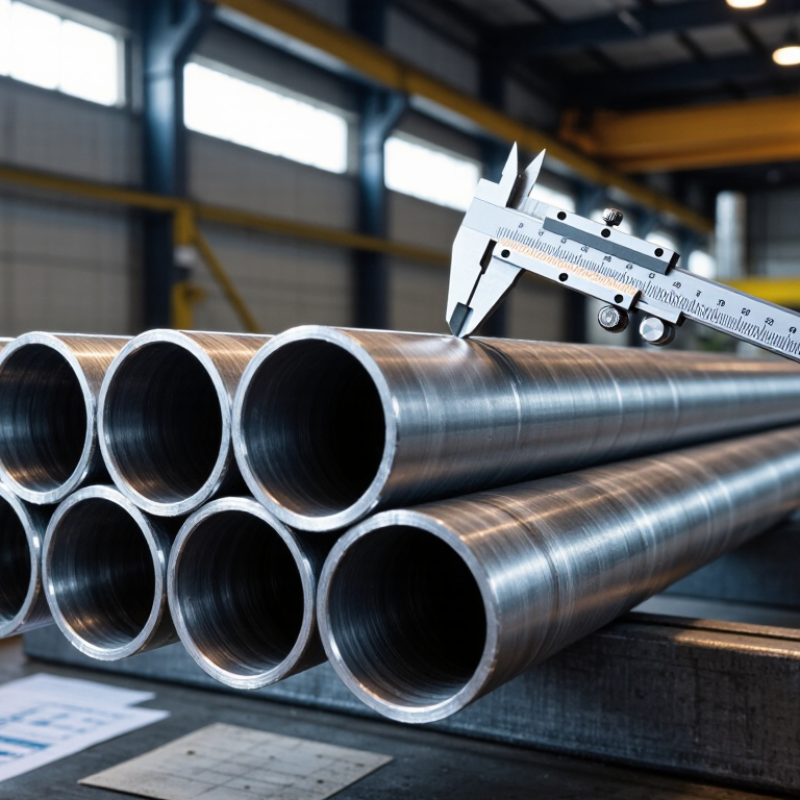
What Steel Pipe Standards Mean and Why They Matter
A steel pipe standard is more than a number printed on a certificate. It defines how the pipe is made, measured, tested, and accepted. Standards may control wall thickness, outside diameter, chemical composition, tensile strength, and impact performance. They can also specify inspection methods, marking, packaging, and traceability. In practical inspections, these details often determine whether a pipe fits safely into a working system.
Buyers should check seven points before approving an order: the applicable standard, pipe grade, dimensions, manufacturing process, test requirements, certificate details, and delivery condition. A familiar standard is not automatically suitable for every service. Water lines, pressure systems, structural frames, and high-temperature equipment may require different performance limits. Confirm the edition and acceptance criteria, not only the standard’s short name. That shortcut is tempting, but incomplete.
Request material test reports showing heat numbers, chemistry results, mechanical values, and inspection records. Match those records with markings on the pipe bundle or individual pipe. Small differences matter. A two-millimeter wall variation can affect weight, fit, and pressure calculations. Buyers should also clarify permitted tolerances and test frequency in writing. Documents can appear correct while missing a required test. I have seen specifications copied between projects without checking temperature, corrosion, or welding conditions. A careful review should question those assumptions before production starts.
How International Steel Pipe Standards Are Organized
International steel pipe standards are organized by more than country. They are usually grouped by issuing body, pipe application, manufacturing method, material grade, dimensions, and testing requirements. An international standard may cover seamless pipe, welded pipe, pressure service, structural use, or chemical transport. National standards can add local requirements. Regional rules may also control inspection documents, marking, and accepted tolerances.
Tip 1: Define the pipe’s service before choosing a standard.
Tip 2: Check the issuing organization and edition year.
Tip 3: Match the grade to temperature, pressure, and corrosion conditions.
Tip 4: Confirm outside diameter, wall thickness, and length. Small dimensional differences can affect installation.
Tip 5: Review chemical and mechanical test limits.
Tip 6: Require traceable inspection records, including heat numbers and test results.
Tip 7: Ask whether the standard permits substitutions or requires exact compliance.
A specification number alone is not enough. Buyers should read the referenced clauses, annexes, and acceptance criteria. Some standards allow several manufacturing routes, while others restrict welding methods or heat treatment. Certificates should match the actual pipe, not only the purchase order. This detail is often missed.
Standards also change. An old project file may contain a withdrawn edition. That does not automatically make the pipe unusable, but it requires technical review. I would verify the edition with the purchaser, engineer, and inspection team. A careful buyer should question unclear wording, even when the document looks official. Mistakes often begin with assumptions.
Which Standards Govern Steel Pipe Materials and Dimensions
Steel pipe requirements begin with the applicable material standard. ASTM and ASME specifications often define chemical composition, mechanical strength, manufacturing method, and heat treatment. API standards may apply when pipes serve oil and gas systems. ISO and EN standards can govern projects using international or European specifications.
The grade matters. Carbon steel, stainless steel, and alloy steel each have different limits for carbon, chromium, nickel, and other elements. A buyer should check the required tensile strength, yield strength, impact test temperature, and hardness range. Mill test certificates should match the pipe heat number. Small details matter.
Dimensions follow a separate layer of rules. Standards may define nominal pipe size, outside diameter, wall thickness, length, ovality, and permitted tolerances. Schedule numbers describe wall thickness in many systems, but they do not replace the full specification. Ask whether the project requires seamless or welded pipe. Confirm end preparation, bevel angle, and dimensional inspection methods.
In practice, I compare the purchase order, drawing, and standard edition before approving a shipment. They do not always agree. That is the weak point. A pipe can meet its material grade but fail the required wall tolerance. Buyers should request hydrostatic or nondestructive testing when the service demands it. Coating, marking, packaging, and traceability also need written requirements. Never rely on a familiar standard name alone. Check its scope and exclusions.
What Standards Apply to Steel Pipes? 7 Tips for Buyers
Steel pipe standards do different jobs. ASTM A53 and ASTM A106 mainly define material, manufacturing, and mechanical requirements for carbon steel pipe. API 5L and ISO 3183 address line pipe for pipeline service. ASME B36.10M and ASME B36.19M primarily standardize pipe outside diameters and wall thicknesses for carbon/alloy steel and stainless steel pipe. Buyers should confirm the applicable product, service, testing, and dimensional standards before ordering.
How Testing and Certification Confirm Pipe Quality
Steel pipe quality is confirmed by more than a polished surface or a familiar specification. Buyers should match the application with the required standard, such as ASTM, ASME, EN, or ISO requirements. Each standard defines different rules for chemistry, dimensions, strength, welding, and inspection. A pipe may look perfect and still fail under pressure. Appearance is not proof.
Testing should cover the risks your project actually faces. Chemical analysis checks carbon and alloy content. Tensile tests measure strength and elongation. Hydrostatic testing reveals leakage under controlled pressure. Ultrasonic or radiographic inspection can identify hidden weld defects. Dimensional checks verify wall thickness, diameter, length, and ovality.
Ask for the original test report, not only a scanned summary. Check the heat number against the pipe markings and packing list. Small mismatches matter.
Certification adds a traceable record, but it does not replace judgment. A mill test certificate should identify the standard, grade, batch, test results, and inspection authority. Independent inspectors may witness sampling and testing before shipment. This is useful for critical systems. Still, documents can contain typing errors or copied data. Review them carefully. Request clarification when results appear unusually uniform.
I have seen buyers focus on price and overlook testing scope. That choice can create expensive repairs later. A reliable supplier should explain failed tests, retesting rules, and corrective actions without vague promises. Ask practical questions.
Evidence beats confidence.
How Buyers Can Match Standards to Project Requirements
Buying steel pipe starts with the project, not the catalog.
Define the service conditions before choosing a standard. Record fluid type, pressure, temperature, corrosion exposure, and installation method. A pipe for steam service needs different controls from one used for structural support. Size alone is not enough. Standards such as ASTM, ASME, EN, ISO, or API may address materials, dimensions, manufacturing, and testing. However, they do not always cover the same requirements.
Check the material grade, wall thickness, outside diameter, manufacturing method, and end connection. Then confirm required tests, including chemical analysis, tensile testing, hydrostatic testing, or nondestructive examination. Ask for traceable inspection documents. Heat numbers should match the pipe markings and certificates. This small detail prevents costly confusion during receiving inspection. It is easy to miss.
Project specifications may add stricter requirements than a general standard. For example, a low-temperature application may require impact testing. A corrosive environment may need coating, lining, or corrosion allowance. Confirm whether the standard permits welded, seamless, or electric-resistance-welded pipe. Also review tolerances, length, surface condition, and packaging. A checklist helps, but it is not flawless. Have engineering, quality, and purchasing review the same document. If requirements conflict, stop and request written clarification before placing the order. That pause can protect schedule, safety, and budget.
Conclusion
Understanding what standards apply to steel pipes is essential for selecting safe, durable, and cost-effective products. Steel pipe standards define requirements for materials, chemical composition, mechanical properties, manufacturing methods, dimensions, wall thickness, tolerances, and surface condition. They are organized through national, regional, and international systems, so buyers should confirm which standard is recognized by the project location, engineering specifications, and applicable industry practices.
Quality verification depends on more than a standard number. Buyers should review inspection procedures, pressure or non-destructive testing requirements, heat treatment records, dimensional checks, and material traceability. Certificates and test reports help confirm that the delivered pipes match the specified grade and performance criteria. Before placing an order, compare the project’s pressure, temperature, corrosion, loading, connection, and service conditions with the relevant material and dimensional requirements. Clear documentation, independent inspection when needed, and careful supplier communication can reduce misunderstandings and prevent unsuitable pipe selections.

 Dactron Pipe