Understanding what is the cost of steel pipes requires more than checking one market quote. Prices shift with steel grade, pipe diameter, wall thickness, manufacturing method, and order volume. A welded carbon steel pipe may cost far less than a seamless alloy pipe. The difference can become significant when projects require high pressure resistance, corrosion protection, or certified testing.
John Anton, a steel-market economist at S&P Global, explains, “Steel prices reflect supply, demand, and expectations.” That short statement matters. A mill’s quotation can change when iron ore costs rise, energy prices increase, or buyers suddenly rebuild inventories. Freight also matters. A pipe produced nearby may still cost more if trucking capacity is limited. Imports can appear cheaper, but duties, port charges, inspection, and delays may change the final figure.
This guide examines top steel pipe prices through a practical purchasing lens. It considers material grades, production standards, surface treatment, and regional market conditions. Readers will also see how suppliers calculate pricing per ton, meter, or piece. The numbers should be treated as working estimates, not permanent promises. Markets move quickly.
A careful buyer should request a complete quotation. It should show the steel grade, dimensions, tolerance, coating, testing, delivery terms, and payment conditions. One overlooked detail can distort the comparison. Even experienced buyers sometimes compare unlike products. That is an easy mistake. The real cost becomes clearer when specifications and landed expenses are measured together.
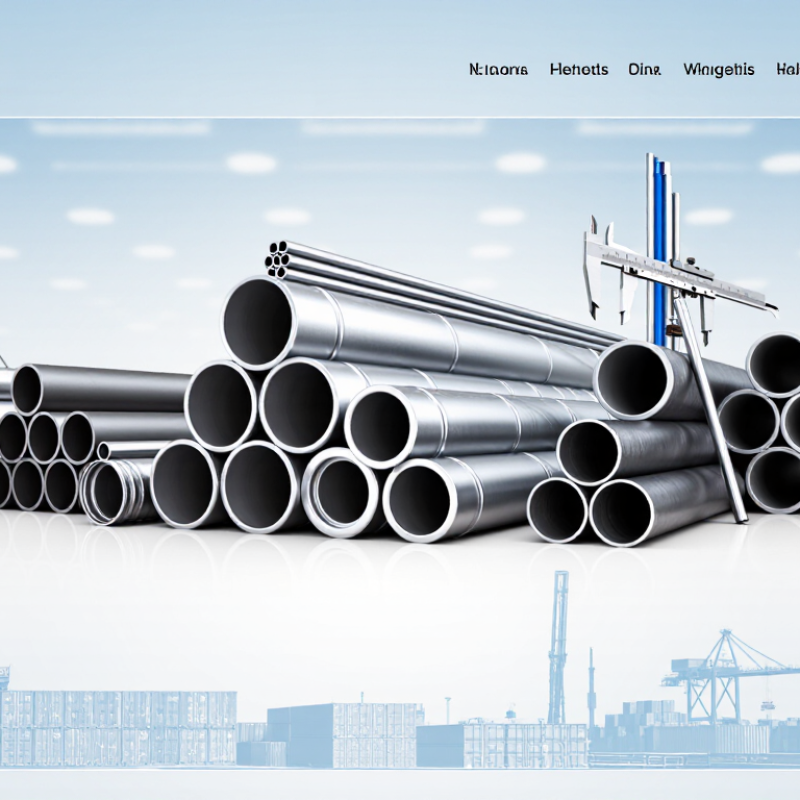
Top Steel Pipe Prices: What Is the Cost of Steel Pipes?
Steel pipe prices become clearer when the pipe’s job is identified. Seamless pipes are formed without a longitudinal weld. They suit high-pressure boilers, hydraulic systems, and demanding energy service. Welded pipes use formed steel plate or coil. They commonly carry water, support buildings, and serve lower-pressure process lines. The World Steel Association reported about 1.89 billion tonnes of crude steel production in 2023. That scale affects raw-material availability, but it does not set one universal pipe price.
Different applications require different grades. Carbon steel pipes offer practical strength for structural frames, firewater networks, and compressed-air lines. Galvanized pipes add zinc protection for outdoor water systems and agricultural structures. Stainless steel pipes resist corrosion in food-processing, pharmaceutical, and chemical environments. Their higher alloy content usually increases cost. Diameter, wall thickness, heat treatment, testing, coating, and transport also change the final quotation.
A price list can mislead.
Industry standards matter as much as material cost. Pressure service may require documented inspection, dimensional control, and traceability under relevant engineering codes. The U.S. Department of Energy’s Industrial Decarbonization Roadmap identifies steel as a major industrial emissions source, encouraging efficiency and lower-carbon production. That transition may influence future pricing and procurement choices. Buyers should compare equal specifications, not simply compare dollars per metre. A cheaper pipe can become expensive after welding, coating, rework, or early replacement. My practical view is cautious: application, service conditions, and certification should be checked before judging any “top” steel pipe price.
| Steel Pipe Type | Typical Manufacturing Method | Common Size Range | Indicative Price Range (USD per metric ton) |
Common Applications | Main Cost Drivers |
|---|---|---|---|---|---|
| ERW Carbon Steel Pipe | Steel strip or plate formed and electrically resistance welded | Approx. 15–610 mm outside diameter | $700–$1,150 | Water lines, structural supports, low- and medium-pressure air or fluid service, fencing, and general fabrication | Carbon steel grade, wall thickness, welding standard, coating, quantity, and delivery distance |
| Seamless Carbon Steel Pipe | Hot-rolled or cold-drawn steel billet without a welded seam | Approx. 6–660 mm outside diameter | $950–$1,650 | Boiler tubes, pressure systems, hydraulic equipment, oil and gas service, and high-temperature piping | Billet cost, heat treatment, pressure rating, dimensional tolerance, inspection, and smaller production volumes |
| Spiral Submerged Arc Welded Pipe | Helically formed steel strip joined by submerged arc welding | Approx. 406–3,660 mm outside diameter | $650–$1,050 | Large-diameter water transmission, slurry transport, piling, irrigation, and low-pressure process lines | Plate or coil thickness, diameter, weld testing, coating system, project volume, and transport requirements |
| Longitudinal Submerged Arc Welded Pipe | Steel plate formed into a cylinder and welded along its length | Approx. 406–1,422 mm outside diameter | $800–$1,300 | Transmission pipelines, structural columns, water infrastructure, and high-strength engineering projects | Steel grade, plate thickness, weld inspection level, hydrostatic testing, beveling, and end finishing |
| Hot-Dip Galvanized Steel Pipe | Carbon steel pipe coated with a bonded layer of zinc | Approx. 15–610 mm outside diameter | $950–$1,500 | Outdoor water service, agricultural systems, handrails, scaffolding, fire protection, and mechanical installations | Base pipe price, zinc coating mass, surface preparation, threading, cut lengths, and corrosion specification |
| Stainless Steel Pipe | Welded or seamless production using corrosion-resistant alloy steel | Approx. 6–1,220 mm outside diameter | $2,200–$5,500 | Food processing, chemical plants, pharmaceutical systems, marine service, architectural work, and sanitary piping | Alloy composition, nickel and chromium content, surface finish, sanitary requirements, wall thickness, and testing |
| Galvanized Structural Tube | Cold-formed or hot-finished hollow section with zinc protection | Approx. 20–500 mm outside dimension | $900–$1,450 | Building frames, agricultural structures, solar supports, guardrails, gates, and light industrial fabrication | Section shape, steel thickness, zinc coating, corner radius, cutting, drilling, and fabrication requirements |
Grade, diameter, wall thickness, and production method strongly influence the price. Heavy-wall pipe uses more steel. Coating, testing, threading, packaging, and freight add further costs.
Welded carbon steel pipe commonly costs about $700–$1,400 per metric ton. Seamless carbon steel usually ranges from $900–$2,200 per metric ton. These are estimates, not fixed quotations.
A 1-inch pipe may cost $15–$35 for a six-meter length. A 2-inch pipe often costs $30–$70. A 6-inch pipe may reach $120–$300, depending on wall thickness and finish.
Stainless steel contains higher-cost materials and usually requires more controlled production. Grade 304 often costs $2,800–$5,500 per metric ton. Grade 316 may reach $4,000–$7,500 per metric ton.
Not always. Welded pipe can cost less and suit many applications. Seamless pipe may offer advantages under demanding pressure or temperature conditions. The service requirements should decide the choice.
Request the grade, outside diameter, wall thickness, length, tolerance, quantity, and standard. Include coating, testing, inspection, packaging, freight, taxes, and delivery terms. Missing details can become expensive changes later.
Compare identical specifications, not only the price per ton. Check whether each quote includes cutting, coating, inland transport, insurance, and port fees. A cheaper quote may hide thinner walls or shorter lengths.
Request recent mill test certificates, dimensional reports, and heat-number traceability. Review welding, heat treatment, storage, and final inspection procedures. For large orders, a production-site visit can reveal practical problems.
Raw material, energy, transport, and regional supply conditions can change prices quickly. Oversized or long pipes may create significant freight charges. Ask how long the quotation remains valid. Markets can move fast.
They may reduce material or processing costs. However, thinner walls or weaker grades can harm pressure performance and service life. I once focused only on unit price and missed delivery charges. That mistake was costly.
Steel pipes come in various types, including seamless, welded, galvanized, carbon steel, and stainless steel, each suited to different applications such as construction, water transportation, oil and gas systems, manufacturing, and structural projects. When asking “what is the cost of steel pipes,” buyers should consider more than the base material price. Pipe grade, diameter, wall thickness, length, production method, surface treatment, order volume, market conditions, transportation, and required certifications can all influence the final cost.
Steel pipe pricing is typically calculated by weight, length, or individual piece, with additional charges for processing, testing, packaging, and delivery. Typical price ranges vary significantly by grade and size, so a direct comparison requires consistent specifications. When reviewing quotes, buyers should confirm material standards, dimensions, tolerances, quantity, lead time, payment terms, shipping costs, and after-sales support. Comparing complete quotations rather than headline prices helps identify the most practical and cost-effective option.

 Dactron Pipe