What Industries Use Steel Pipes Made in China?

Time:2026-10-04 Author:Amelia
0%

Steel pipes made in China support projects across construction, energy, water management, manufacturing, and transportation. Their applications range from building columns and underground utilities to boiler systems and industrial process lines. When people ask, “what industries use steel pipes,” the answer depends on pipe grade, diameter, wall thickness, and operating conditions.

Construction companies use structural hollow sections for warehouses, bridges, stadiums, and high-rise frameworks. Water utilities install coated steel pipes for transmission mains, pumping stations, and treatment facilities. Oil and gas operators may select line pipe for gathering systems, refining equipment, and controlled distribution networks. Power plants use steel tubes in boilers, heat exchangers, steam systems, and cooling circuits. Shipyards and machinery manufacturers also rely on fabricated pipe assemblies.

Quality cannot be judged by origin alone. A responsible buyer reviews material certificates, heat numbers, dimensional records, and welding procedures. Factory audits can reveal how coils become finished pipes. Ultrasonic testing, hydrostatic testing, and visual inspection add practical confidence. Protective coatings matter where soil, seawater, or chemicals create corrosion risks. Standards such as ASTM, API, EN, and ISO may apply, but the project specification remains decisive.

In real procurement, small details cause costly delays. A flange mismatch can stop installation. An incorrect coating can shorten service life. Not every supplier performs equally. Buyers should compare traceability, inspection capacity, delivery history, and technical support. Chinese mills serve many demanding industries, yet assumptions still require verification. The strongest decisions combine documented compliance, independent inspection, and a clear understanding of the operating environment. That approach is more reliable than choosing solely by price or country of manufacture.
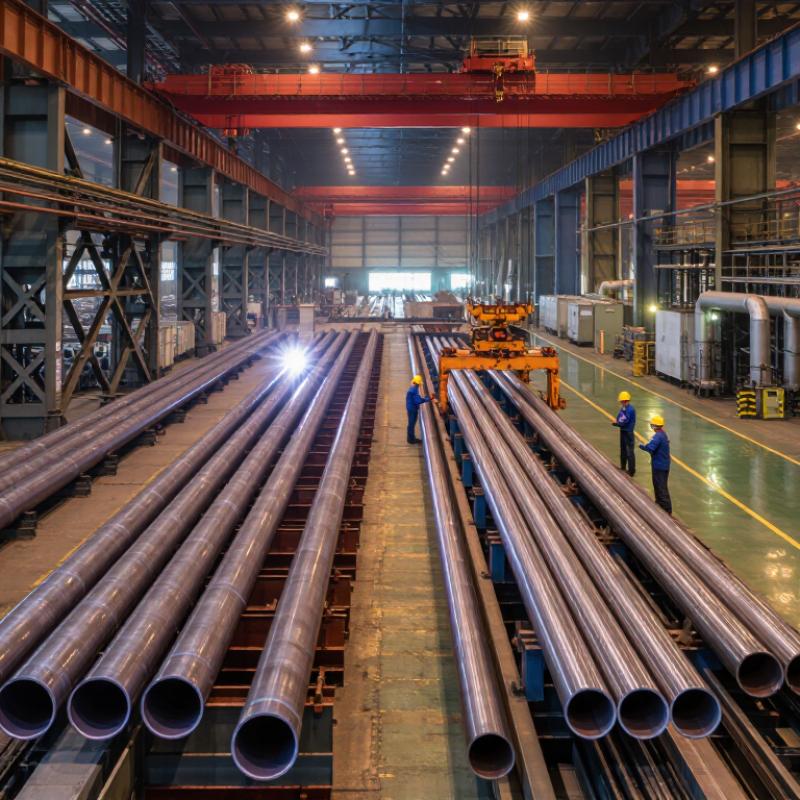
What Industries Use Steel Pipes Made in China?

Steel Pipe Manufacturing in China: An Overview

Steel pipe manufacturing in China serves construction, water infrastructure, energy, machinery, and transportation projects. Production usually begins with tested steel coils, plates, or billets. The material is formed through electric resistance welding, spiral welding, or seamless processing. Each method suits different pressure, diameter, and cost requirements.

The details matter. Workers control forming pressure, welding temperature, and wall thickness during production. Heat treatment can improve strength and reduce internal stress. Automated systems inspect welds, while ultrasonic or radiographic testing can identify hidden flaws. Dimensional checks measure outside diameter, length, ovality, and wall thickness. Surface treatments may include oiling, painting, or protective coatings for outdoor use.

Quality records should follow every batch. They normally include chemical analysis, mechanical test results, inspection reports, and traceability numbers. In practical procurement, buyers should compare these records with project specifications and applicable international standards. A low price can hide weaker testing or inconsistent dimensions. No factory is flawless. Even advanced production lines may produce occasional defects, especially during tooling changes or rushed schedules. This is why independent inspection, sample testing, and clear acceptance criteria remain valuable. Small details, such as damaged thread protectors or poor end finishing, can create installation problems later.

What Industries Use Steel Pipes Made in China?

Chinese-made steel pipes are widely used in construction, oil and gas, water infrastructure, power generation, machinery, automotive manufacturing, and chemical processing. The chart presents an indicative 2023 application mix based on the main global end-use sectors for welded and seamless steel pipes; the actual distribution varies by pipe grade, diameter, standards, and export market.

Data note: Approximate industry shares synthesized from publicly reported steel-pipe end-use patterns and infrastructure demand data. Percentages are rounded and exclude company-level information.

Oil and Gas Industries Using Chinese Steel Pipes

Oil and gas projects use Chinese steel pipes across gathering lines, transmission networks, refinery units, and offshore support systems. The scale is substantial. The World Steel Association reported that China produced about 1.02 billion tonnes of crude steel in 2023, representing more than half of global output. This capacity supports large-volume pipe orders, including carbon steel, line pipe, and welded products.

Demand remains strong. The International Energy Agency’s Oil 2024 report expects global oil demand to reach about 104 million barrels per day by 2026. Gas infrastructure also requires extensive pipelines, pressure systems, and replacement sections. Chinese manufacturers can support these needs with different wall thicknesses, diameters, and coating specifications. However, low price alone is not enough. Buyers should verify chemical composition, tensile strength, impact-test results, and traceability for every heat.

Field experience shows that documentation deserves serious attention. One missing inspection record can delay installation. It may also create costly rework. Project teams should compare mill certificates with independent test results. Welding procedures, dimensional checks, hydrostatic testing, and corrosion protection need clear acceptance criteria. Requirements may vary between onshore, offshore, refinery, and sour-service applications.

Tips: Request production samples, inspection plans, and complete material traceability before purchase. Confirm compliance with the project’s specified standards, such as API 5L or equivalent requirements. Do not assume every Chinese pipe mill offers identical quality. A pre-shipment inspection can expose coating damage, ovality, or marking errors early.

Construction and Infrastructure Applications

Construction and infrastructure projects use steel pipes made in China for water lines, drainage systems, bridges, foundations, and public utilities. Their strength supports demanding work beneath roads, buildings, and industrial sites. Large-diameter pipes can carry water across long distances, while smaller sections serve building services and fire protection networks.

On a construction site, engineers select pipes by diameter, wall thickness, steel grade, coating, and connection method. Welded pipes often suit large utility routes. Seamless pipes may serve applications requiring consistent pressure performance.

Soil conditions matter too. Moisture and chemicals can accelerate corrosion, especially around buried pipelines. Protective coatings and proper installation reduce that risk.

Quality control should remain practical and documented. Buyers should review mill certificates, dimensional reports, weld inspection records, and pressure-test results. Independent testing can provide additional confidence before shipment or installation. Traceability matters when thousands of pipe sections enter a major project. It helps teams identify issues quickly.

Not every low-cost pipe is a sensible choice. A cheaper purchase may create higher maintenance costs later. I have seen project plans change after engineers discovered mismatched specifications or poor surface protection. That lesson is easy to overlook. Clear technical communication, verified standards, and realistic delivery checks support safer construction decisions. Local climate and soil data should guide the final selection.

Industrial, Mechanical, and Energy Sector Uses

What Industries Use Steel Pipes Made in China?

Industrial, Mechanical, and Energy Sector Uses

Steel pipes made in China support many industrial, mechanical, and energy applications. Factories use them for compressed-air lines, cooling systems, process water, and structural supports. Their sizes range from small precision tubes to large welded sections. Each application demands a different balance of strength, corrosion resistance, wall thickness, and dimensional accuracy.

Mechanical equipment manufacturers often install steel pipes in hydraulic systems, heat exchangers, boilers, and conveyor structures. Energy facilities use them for steam circulation, water transport, district heating, and renewable-energy frameworks. In power stations, pipe selection must consider pressure, temperature, welding quality, and long-term fatigue. A pipe may look flawless outside. Internal testing still matters. Material certificates, ultrasonic inspection, hydrostatic testing, and batch traceability provide stronger evidence than appearance alone.

Tips: Confirm the required standard before ordering. Check chemical composition, yield strength, wall tolerance, and coating requirements. Ask for inspection records and sample measurements. Compare suppliers by total performance, not price alone. A lower quotation can hide extra machining, delayed testing, or difficult installation. It is also wise to review delivery packaging, because damaged pipe ends can create problems on site. Specifications are sometimes unclear, and that weakness deserves attention before production begins. Industry conditions change, so engineers should reassess pipe selection when pressure, fluid chemistry, or operating temperature changes.

Factors Influencing Industry Adoption of Chinese Steel Pipes

What Industries Use Steel Pipes Made in China?

Factors Influencing Industry Adoption of Chinese Steel Pipes

Chinese steel pipes serve construction, energy, water treatment, shipbuilding, and industrial manufacturing. Their appeal often begins with production capacity and competitive pricing. Large infrastructure projects may require thousands of meters of pipe. Chinese mills can sometimes meet these volumes within demanding schedules.

Price alone should not decide procurement. Engineers examine steel grade, wall thickness, outside diameter, and connection requirements. They also review testing records, dimensional tolerances, and corrosion resistance. Mill certificates provide useful evidence, but independent inspection adds stronger confidence. In my experience, clear specifications prevent more problems than aggressive negotiation. Small misunderstandings can create expensive delays.

Industry adoption also depends on logistics, export documentation, and local technical support. Energy and chemical projects may require specialized alloys and strict quality controls. Water projects often prioritize long service life and safe internal coatings. Construction buyers may value availability and flexible fabrication. Reliable suppliers explain limitations instead of promising everything. That matters.

Standards and traceability remain essential. Buyers should verify heat numbers, inspection reports, and production history before shipment. Factory audits can reveal storage issues, inconsistent labeling, or weak process controls. These details are easy to overlook. A lower purchase price may lose its advantage after rework, testing, or replacement costs. Regional regulations, climate, and installation methods also influence the final choice.

FAQS

Which industries commonly use steel pipes manufactured in China?

Construction, water treatment, energy, machinery, transportation, shipbuilding, and industrial manufacturing use them. Applications include cooling lines, steam systems, and structural supports.

How are these steel pipes produced?

Production may use electric resistance welding, spiral welding, or seamless processing. The suitable method depends on pressure, diameter, wall thickness, and cost.

What quality checks should buyers request?

Request chemical analysis, mechanical test results, weld inspections, dimensional reports, and traceability records. Ultrasonic and radiographic testing can reveal hidden flaws.

Why does dimensional accuracy matter?

Buyers should check diameter, length, ovality, and wall thickness. Small deviations can complicate welding, threading, or installation.

Are certificates enough to confirm pipe quality?

Certificates provide useful evidence, but they are not the whole picture. Sample testing and independent inspection offer stronger confidence.

What details should buyers verify before ordering?

Confirm the steel grade, applicable standard, pressure, temperature, coating, connection type, and acceptance criteria. Unclear specifications create avoidable problems.

How can buyers compare suppliers fairly?

Compare testing, traceability, packaging, delivery, machining, and technical support, not price alone. A cheap quotation may hide rework or replacement costs.

What common problems can appear after production?

Tooling changes or rushed schedules may cause occasional defects. Damaged thread protectors, poor end finishing, and weak labeling can delay installation.

How should pipes be prepared for outdoor or demanding service?

Surface treatments may include oiling, painting, or protective coatings. Engineers should also consider corrosion, fluid chemistry, temperature, and local climate.

Can every supplier meet specialized project requirements?

Not always. Some projects need special alloys, strict pressure testing, or unusual dimensions. Honest limitations are better than broad promises.

Conclusion

China is one of the world’s major steel pipe manufacturing centers, producing a wide range of seamless and welded pipes for domestic and international markets. What industries use steel pipes made in China? The answer includes oil and gas, construction, infrastructure, manufacturing, machinery, power generation, and renewable energy. In the oil and gas sector, these pipes may be used for transportation systems, drilling support, and structural applications. Construction and infrastructure projects use them for building frames, bridges, water systems, drainage networks, and industrial facilities.

In industrial and mechanical settings, Chinese steel pipes support equipment manufacturing, heat exchange systems, pressure applications, and material handling. Energy projects may also require pipes for power plants, utility networks, and renewable energy structures. Industry adoption is influenced by factors such as product quality, technical specifications, corrosion resistance, production capacity, delivery schedules, pricing, and compliance with project standards. Careful supplier evaluation and inspection help ensure that the selected pipes meet the performance and durability requirements of each application.

Amelia

Amelia

Amelia is a seasoned marketing professional with a wealth of expertise in our company’s core offerings. With an unwavering passion for driving growth and innovation, she plays a pivotal role in shaping our marketing strategies and enhancing brand visibility. A key aspect of her responsibilities......