Corrosion in steel pipes poses significant risks to infrastructure and industry. According to a report by the National Association of Corrosion Engineers (NACE), corrosion costs the U.S. economy around $276 billion annually. Understanding how to prevent corrosion in steel pipes is crucial for maintaining their integrity and longevity. Effective prevention methods can extend the life of pipelines, reduce maintenance costs, and ensure safety.
The main factors contributing to corrosion include moisture, chemicals, and temperature variations. Research indicates that up to 30% of failures in steel piping systems stem from inadequate protective measures. Therefore, industries must prioritize effective corrosion control strategies. Regular inspections and adopting corrosion-resistant materials can drastically reduce risks. However, these solutions require ongoing investment and commitment.
While guidelines exist, many organizations still struggle to implement these practices effectively. Lack of training and awareness frequently hinders progress. Thus, addressing these gaps is essential. Investing in knowledge and technology is a step forward. Overall, it is imperative for stakeholders to actively seek innovative ways to mitigate corrosion challenges.
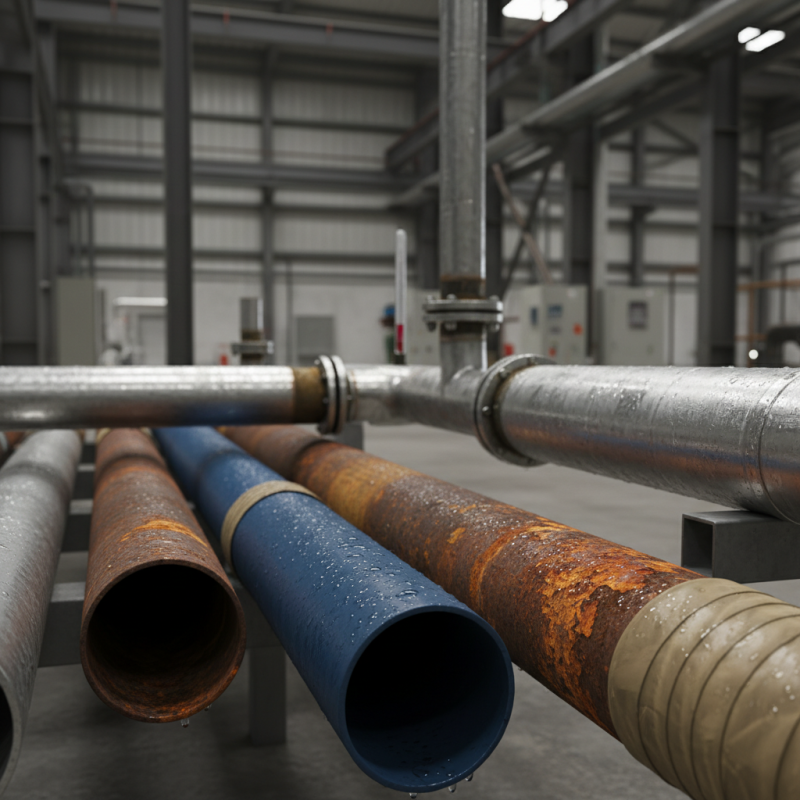
Understanding Corrosion in Steel Pipes: Causes and Effects
Corrosion in steel pipes is a pressing issue in various industries. It leads to structural failures and environmental hazards. According to a report by the National Association of Corrosion Engineers (NACE), corrosion costs the U.S. economy about $276 billion annually. This emphasizes the need to understand its causes and effects.
Steel pipes can corrode due to factors such as moisture, chemical exposure, and inadequate protective coatings. Atmospheric conditions contribute significantly to rust formation. Studies show that unprotected steel can begin to show signs of corrosion within just a few months. When corrosion occurs, it weakens the pipe structure, leading to leaks and potential contamination of surrounding areas.
Furthermore, the pH level of the environment plays a crucial role. In acidic conditions, the corrosion rate can accelerate drastically. For example, a pH level below 7 can double the corrosion rate compared to neutral pH. Additionally, microorganisms such as bacteria can cause microbiologically influenced corrosion (MIC), which complicates maintenance strategies. Monitoring these factors is essential to mitigate risks and extend the lifespan of steel pipes.
Common Types of Corrosion Affecting Steel Pipes
Corrosion is a significant issue for steel pipes. Different types of corrosion can affect their durability and longevity. One common type is uniform corrosion. It occurs evenly across the surface, leading to gradual material loss. The result is often unnoticed until it's too late. This type can weaken the pipeline significantly over time.
Another prevalent issue is pitting corrosion. This type creates small, localized holes in the pipe. These pits develop when protective films break down. Pitting can be more dangerous than uniform corrosion. Even a few small pits can lead to leaks. Moreover, it’s often difficult to detect.
Crevice corrosion is another concern. This happens in small gaps or crevices between surfaces. Water or contaminants can get trapped, leading to accelerated corrosion in those areas. It’s essential to inspect these crevices regularly, as they can go unnoticed. Understanding these corrosion types helps in implementing effective prevention strategies. Regular monitoring and maintenance protocols can make all the difference.
Top Protective Coatings and Treatments for Steel Pipes
Corrosion in steel pipes is a significant concern across various industries. Effective protective coatings and treatments can greatly reduce this risk. According to a recent report by the National Association of Corrosion Engineers, corrosion costs the global economy about $2.5 trillion annually. This staggering number underscores the importance of investing in proper protection for steel pipes.
One effective method involves applying zinc-based coatings. These coatings provide a sacrificial layer, protecting the underlying steel from moisture and corrosive elements. Compliance with industry standards ensures the treatment's efficacy. Additionally, epoxy coatings offer a robust barrier against moisture, making them ideal for environments prone to high humidity. Over time, these coatings can increase the lifespan of steel pipes significantly.
Regular inspections are crucial. It's not enough to apply coatings; maintenance is key. Conducting routine checks can catch early signs of corrosion. Consider using cathodic protection systems as an added defense. These systems work by using electrical currents to counteract corrosion processes. Investing in quality treatments and staying proactive with maintenance can save significant costs in the long run.
10 Effective Tips to Prevent Corrosion in Steel Pipes
| Tip |
Description |
Protective Coating/Treatment |
Effectiveness |
| 1. Use Corrosion-Resistant Alloys |
Utilize alloys that are less prone to corrosion. |
Stainless Steel |
High |
| 2. Apply Protective Coatings |
Use coatings to provide a barrier against moisture. |
Epoxy Paint |
Moderate to High |
| 3. Ensure Proper Drainage |
Prevent water accumulation around pipes. |
- |
Variable |
| 4. Apply Cathodic Protection |
Use electrochemical techniques to reduce corrosion. |
Sacrificial Anodes |
High |
| 5. Monitor Environmental Conditions |
Regular checks on humidity and temperature. |
- |
Variable |
| 6. Use of Sealants |
Apply sealants to joints and seams. |
Silicone Sealants |
Moderate |
| 7. Regular Maintenance |
Routine inspections and maintenance work. |
- |
High |
| 8. Control pH Levels |
Ensure soil pH is balanced to reduce corrosion. |
- |
Moderate |
| 9. Use Insulation |
Insulate pipes to prevent condensation. |
Foam Insulation |
High |
| 10. Avoid Bimetallic Coupling |
Prevent different metals from contacting each other. |
- |
High |
Regular Maintenance Practices to Mitigate Corrosion
Corrosion is a significant issue for steel pipes, leading to costly repairs and dangerous leaks. Regular maintenance practices are essential. Inspecting pipes routinely can help identify early signs of corrosion. Implementing a visual check and schedule can significantly decrease unexpected failures.
A report from the National Association of Corrosion Engineers notes that effective maintenance can reduce corrosion-related costs by up to 30%. Regular cleaning of the pipe surfaces prevents the buildup of corrosive agents. Additionally, applying protective coatings is crucial. These coatings act as a barrier against moisture and chemicals that encourage rust.
Monitoring environmental conditions is vital. Factors like humidity and temperature should be assessed regularly. In some areas, even minor changes can accelerate corrosion. Using proper drainage systems can divert water away from piping. Yet, even with these practices, some systems still experience corrosion, requiring reflection and adjustment in maintenance strategies. Balancing cost and effective care is always a challenge.
Innovative Technologies for Corrosion Prevention in Steel Pipes
Corrosion in steel pipes poses a significant risk to infrastructure. Innovative technologies are emerging to address this issue effectively. One such approach involves advanced coatings.
These coatings can provide a barrier against environmental factors, extending the lifespan of steel pipes. A study from the National Association of Corrosion Engineers reports that proper coating can reduce corrosion rates by over 70%.
In addition to coatings, cathodic protection is gaining traction. This method involves applying a small electrical charge to counteract corrosive reactions. Research shows this technique can protect buried steel pipes for decades.
However, periodic maintenance is still essential. Preventive tips include regularly monitoring environmental conditions. Keeping surfaces clean can also prevent the buildup of corrosive materials. Regular inspections and maintenance checks are crucial.
These practices can help ensure that innovative technologies are used effectively. Proper training for staff on corrosion management is equally important. Awareness and education foster a culture of preventive care in organizations.
Conclusion
Corrosion in steel pipes is a significant issue that can lead to costly repairs and failures. Understanding the causes and effects of corrosion is crucial, as it often stems from environmental factors, such as moisture and chemicals. Common types of corrosion affecting steel pipes include uniform corrosion, pitting, and galvanic corrosion, each presenting unique challenges. To address these issues, applying protective coatings and treatments is essential in extending the lifespan of these structures.
Regular maintenance practices, such as inspections and surface cleaning, play a vital role in mitigating corrosion. Additionally, innovative technologies, including cathodic protection and corrosion inhibitors, offer advanced solutions for how to prevent corrosion in steel pipes. By implementing these effective tips, one can significantly reduce the risk of corrosion and ensure the integrity of steel pipe systems over time.

 Dactron Pipe