Top 10 Common Defects in Steel Pipes You Should Know?

Time:2026-05-25 Author:Henry
0%

Steel pipes are essential in various industries, from construction to oil and gas. However, they are not without issues. Understanding what are common defects in steel pipes is crucial for maintaining safety and efficiency. These defects can lead to significant operational challenges and potential hazards.

Common issues include corrosion, cracks, and weld failures. Each defect has its own implications, often resulting in leaks or structural failures. Recognizing these problems early can save time and costs. For instance, a minor crack, if not addressed, may develop into a major failure.

Every industry relies on the strength and durability of steel pipes. Yet, the presence of defects can question the reliability of these materials. By exploring these common defects, professionals can better assess risks. Awareness can lead to stronger quality control measures. This proactive approach is vital for ensuring the longevity of steel pipes in various applications.
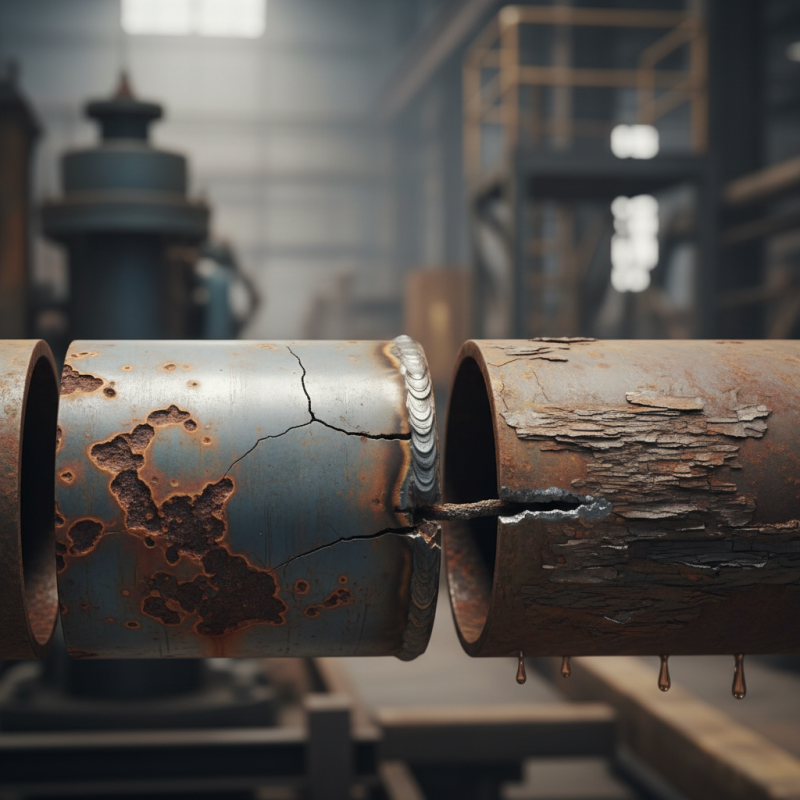
Top 10 Common Defects in Steel Pipes You Should Know?

Common Manufacturing Defects in Steel Pipes and Their Impact on Quality

Steel pipes are crucial in various industries, but they are prone to defects. Common manufacturing defects significantly impact their quality and performance. One major defect is wall thickness inconsistency. When the thickness varies, it can lead to weak points. These weak spots may cause pipes to fail under pressure.

Another common issue is surface imperfections. Scratches or dents on the pipe surface can promote corrosion. This can reduce the pipe's lifespan. Similarly, improper welding techniques can lead to weld defects. If welds are not strong, they can break during operation, causing safety hazards.

Finally, internal scale or debris can create blockages. These contaminants often result from poor manufacturing processes. They can hinder fluid flow and affect system efficiency. Recognizing these defects is essential. Addressing them early can save costs and improve safety. Each defect serves as a reminder of the importance of quality control in steel pipe production.

Top 10 Common Defects in Steel Pipes You Should Know

Defect Type Description Impact on Quality Common Causes
Surface Cracks Visible cracks on the surface that may lead to failure. Reduces pipe strength, affects durability. Improper cooling, excessive stress during handling.
Weld Defects Issues related to the welding process. Compromises structural integrity. Poor technique, contamination.
Pitting Corrosion Localized corrosion resulting in small pits. Can lead to leakage and failure. Exposure to aggressive environments.
Wall Thickness Variation Inconsistent thickness along the pipe. May lead to pressure failure. Improper manufacturing settings.
Rust and Oxidation Formation of rust on the steel surface. Weakens the pipe and reduces lifespan. Exposure to moisture and air.
Inclusions Foreign materials trapped inside the steel. Affects mechanical properties. Poor material handling, low-quality steel.
Bending Unintended bending of the pipe. Leads to stress concentration and failure. Transportation and handling errors.
Dimensional Tolerance Issues Deviation from specified dimensions. Can cause assembly problems. Faulty machinery, poor quality control.
Surface Defects Imperfections such as dents or scratches. May affect aesthetic and performance. Handling and transportation damage.
Heat Treatment Issues Problems arising from inadequate heat treatment. Can lead to brittleness and lower ductility. Improper temperature control.

Understanding the Types of Defects: Dimensional Variations in Steel Pipes

Dimensional variations in steel pipes can lead to significant issues in construction and manufacturing. These variations typically include problems like out-of-roundness, deviations in wall thickness, and length discrepancies. Out-of-roundness can affect how pipes fit together, leading to weak joints. A consistent wall thickness is crucial for structural integrity, and any deviation can compromise safety.

Another common defect is length variation. Steel pipes might not meet specified lengths, causing delays in projects. This can lead to additional costs and rework. Even small discrepancies can disqualify pipes from certain applications. Professionals should routinely inspect pipes for these defects, as early detection saves time and resources.

Proper measurement techniques are essential. Digital calipers and micrometers offer more precise readings. However, human error in measurement can still occur. Regular training for personnel is necessary to minimize mistakes. Proper handling and storage of pipes can also reduce defects. Understanding these dimensional variations helps in maintaining quality standards in the industry.

Corrosion and Pitting: Causes and Prevention in Steel Pipe Applications

Corrosion and pitting are two critical issues in steel pipe applications. Understanding their causes and prevention strategies is essential for maintaining the integrity of these materials. According to a report by NACE International, 15% of the annual cost of corrosion in the U.S. is attributed to pipeline failures, highlighting the significance of addressing these problems proactively.

Corrosion typically occurs due to chemical reactions between the steel and its environment. Factors like moisture, temperature, and chemical exposure can accelerate this process. Pitting, a localized form of corrosion, can create small holes in the pipe. The result may be a significant compromise in structural integrity. Studies show that even a small pit can lead to catastrophic failures over time, emphasizing the need for vigilance.

Preventive measures are crucial. Applying protective coatings or cathodic protection can mitigate corrosion risks. Regular inspections can catch issues early. Data indicates that routine monitoring of pipeline conditions can reduce maintenance costs by up to 25%. However, many companies still overlook these practices, resulting in costly repairs and safety hazards. Investing in training and preventive technologies should be a priority. The cost of neglecting corrosion and pitting is simply too high.

Weld Defects: Identifying and Addressing Issues in Steel Pipe Fabrication

Weld defects are a critical issue in steel pipe fabrication. These defects can compromise the integrity of pipes, leading to significant safety risks and financial losses. Common weld defects include cracks, porosity, and incomplete fusion. Each of these issues can stem from various factors, such as inadequate temperature control and improper welding techniques.

Identifying these defects early is vital. Visual inspections can reveal surface cracks and irregularities. For deeper defects, non-destructive testing methods, like ultrasonic or X-ray testing, are essential. Training workers on best practices helps minimize risks. Ensure proper equipment maintenance and use quality filler materials.

Addressing weld defects requires a systematized approach. Root cause analysis is crucial for understanding why defects occur. Sometimes, a simple adjustment to welding speed can prevent defects from forming. Reviewing welding parameters regularly can also help in maintaining quality. Continuous improvement should be the goal of any steel pipe manufacturer.

Non-Destructive Testing Methods for Detecting Defects in Steel Pipes

Non-destructive testing (NDT) is essential for identifying defects in steel pipes. Techniques such as ultrasonic testing and magnetic particle testing play a crucial role in maintaining structural integrity. Ultrasonic methods use sound waves to detect internal flaws, providing detailed insights into pipe conditions. This technique is reliable and can uncover hidden issues, ensuring safety.

Magnetic particle testing is another effective NDT method. It's particularly useful for detecting surface and near-surface defects. This technique involves applying magnetic fields to the pipe. Any disruption in the magnetic field indicates a defect. While this method offers quick results, it may not reveal subsurface flaws. Understanding its limitations is key to effective inspections.

Radiographic testing offers a third approach, utilizing X-rays or gamma rays. This method can reveal both surface and internal defects. It provides visual evidence of pipe conditions. However, it often requires a trained operator and can be time-consuming. Relying solely on one method may miss critical flaws. A comprehensive inspection strategy is vital for ensuring the safety and reliability of steel pipes.

FAQS

: What are common defects found in steel pipes?

: Common defects include wall thickness inconsistencies, surface imperfections, and internal debris.

How does wall thickness inconsistency affect steel pipes?

Variations in wall thickness can create weak points, risking pipe failure under pressure.

What types of surface imperfections can occur?

Scratches or dents on the surface can lead to corrosion and reduce the pipe's lifespan.

Why is proper welding technique important?

Improper welding can lead to weak joints that may break under stress, posing safety risks.

What is the impact of internal scale or debris?

Internal contaminants can block fluid flow, affecting efficiency and leading to costly repairs.

How can dimensional variations impact construction?

Issues like out-of-roundness or length discrepancies can delay projects and increase costs.

What are effective non-destructive testing methods?

Ultrasonic testing and magnetic particle testing are vital for identifying defects without damaging pipes.

Why is regular inspection important?

Early detection of defects can save time and resources, improving overall project success.

What are the limitations of magnetic particle testing?

It may not identify subsurface flaws, so relying solely on it can miss critical issues.

How can handling and storage affect pipe quality?

Proper handling can reduce defects and help maintain quality standards in production.

Conclusion

Steel pipes are essential components in various industries, but they can exhibit several defects that impact their quality and performance. Understanding what are common defects in steel pipes is crucial for maintaining the integrity of piping systems. Common manufacturing defects include dimensional variations, which can lead to improper fittings and assembly issues. Additionally, corrosion and pitting can compromise the strength and durability of pipes, necessitating effective prevention measures.

Weld defects are another critical concern, often arising during the fabrication process, which can weaken the overall structure. To address these challenges, non-destructive testing methods are employed to detect defects early on, ensuring that the pipes meet the required standards and reducing the risk of failure in applications. By being aware of these common defects, stakeholders can take proactive measures in quality assurance and maintenance.

Henry

Henry

Henry is a dedicated marketing professional with a profound expertise in the company's offerings. With years of experience in the industry, he possesses an impressive understanding of the market dynamics and consumer behaviors that drive success. Henry is committed to sharing his insights through......