5 Tips for Choosing the Right Steel Pipe for Your Project?

Time:2026-07-31 Author:Isabella
0%

Choosing the right steel pipe for a project can significantly influence its overall success. The global steel pipe market was valued at approximately USD 338 billion in 2022 and is expected to grow by about 4% annually. This indicates a rising demand for reliable materials across various sectors such as construction and manufacturing. Yet, many projects fail due to improper material selection. Understanding how to choose the right steel pipe for a project is crucial for avoiding costly mistakes.

Factors such as pipe dimensions, chemical composition, and service conditions must be considered. Roughly 30% of projects report issues related to field failure, often tied to inadequate material specifications. Designers and engineers need to evaluate these criteria carefully to ensure the selected pipe meets both structural and functional demands. Moreover, an overlooked detail can lead to increased maintenance costs or even project delays. The right choice can enhance durability and performance while maintaining cost-effectiveness. Knowledge and expertise in this field are essential for making informed decisions.
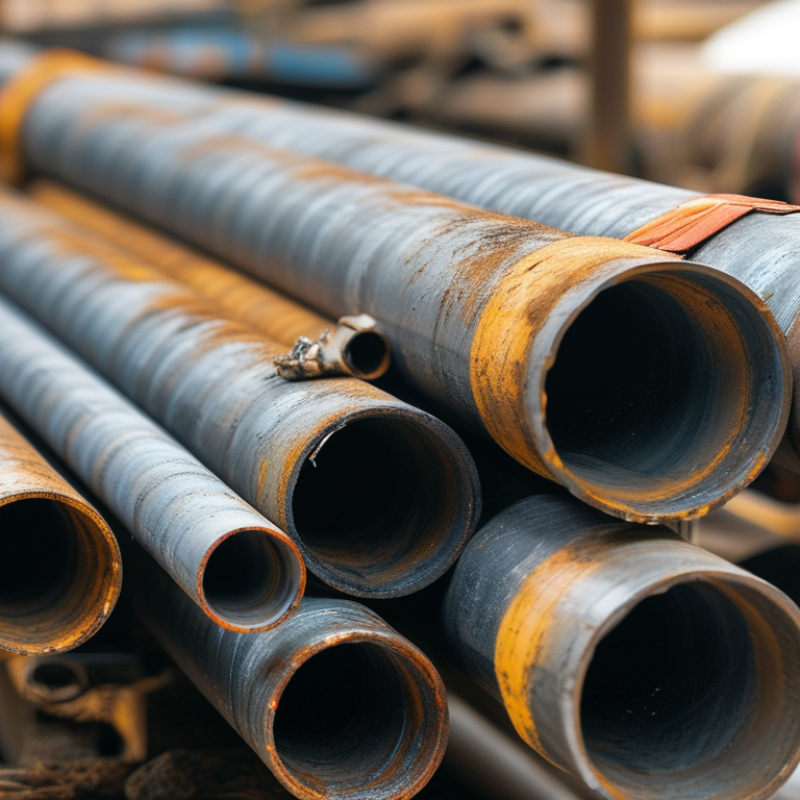
5 Tips for Choosing the Right Steel Pipe for Your Project?

Factors Influencing the Selection of Steel Pipe Types Based on Application

Choosing the right steel pipe is essential for the success of any project. The application of the pipe heavily influences the decision. Factors such as pressure ratings, corrosion resistance, and temperature limitations must be considered. Different environments require different types of steel grades. For example, high-pressure systems often need thicker walls. Meanwhile, exposed pipelines may require additional coatings to avoid rust.

The environment plays a crucial role in steel pipe selection. For example, a coastal area needs pipes resistant to saltwater corrosion. Soil conditions also affect pipe choice. When buried underground, pipes should withstand soil pressure and moisture. Temperature variations are another critical factor. Pipes used in extreme conditions must maintain integrity without failure.

Some decisions may not seem clear-cut. The performance of a pipe might vary under unexpected circumstances. It's wise to consult with industry experts when uncertain. Their insights can guide you towards the best choice. Make sure to review all specifications carefully. The right selection can save time and resources in the long run.

Understanding Different Steel Grades and Their Properties for Pipe Usage

When selecting steel pipes, understanding the steel grades is crucial. Different grades have unique properties, impacting strength and resistance. For instance, ASTM A53 represents a popular choice for structural applications. This grade typically offers decent strength with a tensile strength of 60,000 psi based on industry standards.

Highly corrosive environments demand higher grades. Consider ASTM A106 or A333 for applications requiring superior performance under extreme conditions. These grades can offer tensile strengths of up to 70,000 psi, making them suitable for high-pressure systems.

Tip: Evaluate the project requirements thoroughly. Is corrosion resistance essential? Then opt for a grade with higher chromium content. A well-informed choice ensures the project’s longevity and safety.

Be mindful of each project's specifications. Factors like temperature, pressure, and fluid characteristics affect the pipe's performance. Often, suppliers provide detailed data sheets. Reviewing these can reveal insights missed during initial assessments.

Tip: Don't rush the decision process. Consult with industry experts if unsure about the best steel grade for specific applications. Proper guidance can be invaluable, given the vast range of steel options available.

The Importance of Pipe Diameter and Wall Thickness in Structural Integrity

Choosing the right steel pipe for your project requires careful consideration of key factors that affect structural integrity. Pipe diameter and wall thickness are critical elements. They directly influence strength, weight, and durability. A well-informed choice can lead to enhanced project stability.

When selecting pipe diameter, think about the loads it will bear. Larger diameters can support greater weight but may increase overall material costs. It’s essential to balance capacity and budget. Wall thickness also plays a pivotal role. Thicker walls generally offer more strength and resistance to pressure. However, an increase in thickness raises the material's weight, potentially complicating installation.

Here are some tips to guide your selection. Evaluate the specific requirements of your project. Assess potential stresses and environmental factors. Consult industry standards to ensure compliance. Engaging with a knowledgeable supplier can provide valuable insights into material properties. This collaboration can lead to a more secure and reliable structural outcome. Consider all options thoughtfully; even minor adjustments can significantly impact performance and longevity.

5 Tips for Choosing the Right Steel Pipe for Your Project

Tip Number Tip Description Recommended Diameter (inches) Wall Thickness (inches) Strength Rating (PSI)
1 Choose the correct diameter based on the fluid flow. 6 0.25 3000
2 Consider wall thickness for higher pressure systems. 8 0.36 5000
3 Select the right grade of steel for durability. 10 0.5 7000
4 Ensure compatibility with existing systems. 12 0.28 3500
5 Consult with experts for specific project requirements. 14 0.375 6000

Evaluating Corrosion Resistance and Coating Options for Steel Pipes

When selecting steel pipes for a project, evaluating corrosion resistance is crucial. Different environments pose unique challenges. For example, pipes in coastal areas are more prone to rust due to saltwater exposure. The right coating can prevent this degradation, extending the life of the pipes.

Common coating options include galvanization and epoxy finishes. Galvanized pipes provide a zinc layer that acts as a barrier against moisture. However, the zinc can wear off over time. Epoxy coatings offer greater chemical resistance but may not hold up in extreme temperatures. Understanding the environment where the pipes will be used helps in making an informed decision.

Some projects may overlook the maintenance required for coated pipes. Regular inspections should be planned to identify any wear or failure. If an inadequate coating is chosen, early replacement may be necessary. Selecting the wrong steel pipe can lead to costly repairs and safety hazards, underscoring the importance of thorough evaluation. Analyses of previous projects can provide valuable insights, refining your selection process.

Corrosion Resistance Ratings of Different Steel Pipe Coatings

Cost Analysis: Balancing Quality and Budget in Steel Pipe Selection

When selecting steel pipes for your project, cost is a major factor. Balancing quality with budget can be tricky. Higher quality pipes usually mean better durability but can strain your budget. On the other hand, cheaper pipes may lead to long-term costs. These factors play a crucial role in decision-making.

One tip is to compare different types of steel. Carbon steel offers strength at lower prices, while stainless steel provides excellent corrosion resistance. Consider the project's environment. If the pipes will face moisture, stainless steel might save you money in repairs later.

Another point is to understand the specifications. Not every project needs the same type of pipe. Knowing the pressure ratings and sizes required can help narrow down options. A thorough analysis of what you truly need may lead to cost savings.

Sometimes, it helps to consult with industry professionals. Their insights can highlight pitfalls you might overlook. They can also suggest alternatives that fit your budget better. Ultimately, a well-informed choice leads to lasting satisfaction and efficiency.

FAQS

: What factors should be considered when selecting steel pipes?

: Consider pressure ratings, corrosion resistance, and temperature limitations when choosing steel pipes.

How does the environment influence steel pipe selection?

Coastal areas need corrosion-resistant pipes, while soil conditions demand strength and moisture resistance.

Why is pipe diameter important?

Pipe diameter affects the load-bearing capacity and overall material costs of a project.

What role does wall thickness play in steel pipe selection?

Thicker walls provide strength and pressure resistance but increase weight and complicate installation.

Should I consult experts when choosing steel pipes?

Yes, consulting industry experts can help clarify choices and ensure the best decision for your project.

How can the specific requirements of a project influence pipe choice?

Evaluating project stresses and environmental factors is critical for selecting the appropriate pipe type.

What happens if I overlook industry standards?

Ignoring standards can lead to compliance issues and compromise the structural integrity of the project.

Are there trade-offs in selecting larger pipe diameters?

Yes, larger diameters support more weight but also increase material costs, which requires careful budgeting.

How do material properties affect installation?

Heavier materials from thicker walls may complicate installation and require more resources for handling.

Can minor adjustments significantly alter performance?

Absolutely, even small changes in pipe selection can have a big impact on overall performance and longevity.

Conclusion

When it comes to how to choose the right steel pipe for a project, several key factors should be taken into consideration. First, understanding the specific application is crucial, as different projects require different types of steel pipes influenced by factors like load-bearing capacity and environmental conditions. Additionally, being knowledgeable about various steel grades and their properties ensures that the selected pipe can withstand the demands of the project effectively.

Another important aspect is the pipe's diameter and wall thickness, which play a vital role in maintaining structural integrity, particularly in high-pressure or weight-bearing applications. Evaluating corrosion resistance and the availability of appropriate coating options is essential for longevity, especially in harsh environments. Finally, conducting a cost analysis helps in balancing quality and budget, ensuring that the chosen pipes meet project specifications without compromising financial constraints. By addressing these factors, one can successfully navigate the selection process and determine the most suitable steel pipe for any given project.

Isabella

Isabella

Isabella is a dedicated marketing professional with a sharp focus on driving brand growth and engagement through strategic content creation. With an extensive background in digital marketing, she combines her passion for storytelling with her keen understanding of industry trends to deliver......