How to Choose the Right Steel Pipe for Your Project in 2026?

Time:2026-04-29 Author:Ethan
0%

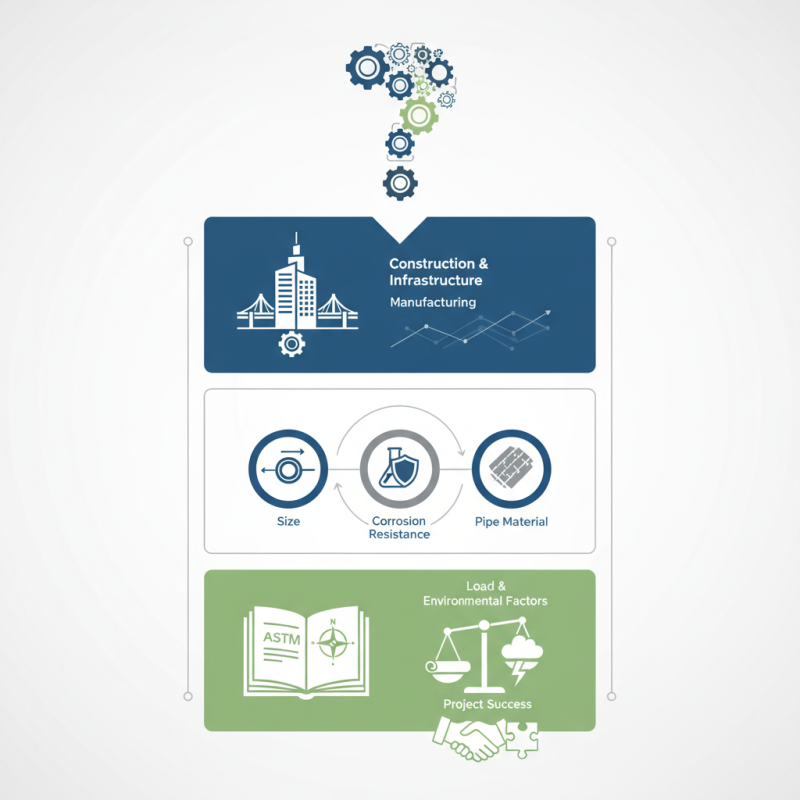
Choosing the right steel pipe for a project is crucial in various industries, including construction, infrastructure, and manufacturing. According to the Global Steel Pipes and Tubes Market Report, the industry is expected to grow at a CAGR of 5.1% from 2021 to 2026. This highlights the increasing importance of selecting proper materials, as they directly impact durability and project costs. When evaluating options, factors such as pipe material, size, and corrosion resistance become critical.

In 2026, the challenge will be even greater, given the evolving standards and technologies. Understanding how to choose the right steel pipe for a project requires both knowledge and experience. For instance, the American Society for Testing and Materials (ASTM) has set guidelines that define the specifications needed for various applications. However, discrepancies still exist in implementation, leading to mistakes that can compromise project integrity.

Organizations often overlook the significance of alignment between project requirements and pipe specifications. Including detailed assessments of load requirements and environmental conditions is vital. A misstep here could lead to costly reworks or failures. Therefore, professionals must be vigilant in their selection process, constantly weighing factors that ensure project success while being mindful of industry standards and best practices.
How to Choose the Right Steel Pipe for Your Project in 2026?

Understanding Different Types of Steel Pipes Available in 2026

When selecting a steel pipe for your project, it's crucial to understand the various types available in 2026. Steel pipes come in different grades and finishes, each suited for specific applications. For instance, seamless pipes are ideal for high-pressure situations due to their excellent strength and integrity. However, they can be more expensive than welded pipes. If budget constraints are a concern, welded pipes may work well, but they may not perform as reliably under extreme conditions.

Moreover, the choice of steel grade can significantly affect your project's outcome. Mild steel pipes are common and cost-effective for general use. On the other hand, stainless steel pipes offer superior corrosion resistance, making them ideal for harsh environments. Remember, not all steel pipes are created equal. You need to assess the demands of your project carefully.

Many users overlook the importance of pipe coating. A good coating can extend the lifespan of the pipe. However, not every coating is suitable for all environments. It requires careful consideration to achieve the desired results. Ultimately, the best choice will depend on factors like environment, pressure, and budget. Mistakes can lead to unexpected challenges, so it's essential to gather accurate information before making a decision.

Key Factors to Consider When Choosing Steel Pipes for Your Project

When selecting steel pipes for your project in 2026, consider several key factors. Material quality is essential. Steel grade impacts durability and corrosion resistance. According to a report by the American Iron and Steel Institute, nearly 20% of projects fail due to poor material choices. Choosing the right grade can enhance lifespan and reduce maintenance costs.

Size and dimensions are equally crucial. Pipes come in various diameters and lengths. It’s vital to select sizes that match your project’s requirements. Miscalculating these can lead to delays and excess costs. In 2023, a study revealed that inadequate sizing contributed to 15% of budget overruns in construction projects.

Finally, think about the intended use of the pipes. Different applications require specific features. For instance, pipes used in high-pressure applications may need thicker walls. Conversely, those for drainage might not. A recent analysis indicated that improper application choices raised safety concerns in 10% of industrial projects. Addressing these factors will aid in making an informed decision.

Comparing Steel Grades: What You Need to Know

When selecting steel pipes for projects, understanding steel grades is crucial. Each grade has unique properties that determine its suitability for specific applications. For instance, ASTM A53 Grade B is popular in construction for its good weldability and strength. In contrast, ASTM A106 Grade B is favored for high-temperature applications due to its excellent tensile strength.

Industry reports indicate that approximately 70% of the steel pipes used in construction are of these grades. However, the choice isn't always straightforward. Factors like corrosion resistance and the specific environmental conditions can significantly impact performance. For example, while a higher grade may offer better strength, it might not be necessary for less demanding applications. Inappropriate choices can lead to issues like premature failure or increased costs.

Furthermore, the environmental impact of steel production raises questions about sustainability. Steel production is responsible for significant CO2 emissions. Choosing a lower grade with sufficient strength might reduce your project's carbon footprint. Thus, it is essential to weigh both performance and sustainability. Evaluating options carefully can lead to better outcomes.

Assessing Pipe Sizes and Thickness for Optimal Performance

Choosing the right steel pipe for your project hinges on understanding pipe sizes and thickness. In 2026, these factors will be critical for optimal performance. For instance, the American Society for Testing and Materials (ASTM) advises using specific thicknesses for different applications to ensure durability. A standard practice is to select pipes with a thicker wall for high-pressure scenarios. This could mean a schedule 80 pipe instead of a schedule 40 for increased robustness.

Pipe sizes also matter significantly. A miscalculation can lead to inefficiencies. Recent industry reports indicate that up to 15% of projects face delays due to improper sizing. Focus on precise measurements to avoid these pitfalls. Smaller diameters can restrict flow, while larger ones may lead to pressure loss. For water transport, a diameter of 4 inches is common in residential applications, while industrial systems often require 6 to 12 inches.

While guidelines exist, discrepancies in actual conditions can challenge even seasoned professionals. Conduct thorough assessments of the intended use and environmental conditions. Remember, the standard charts can't account for every variable. Always keep a flexible mindset; sometimes adjustments are necessary. Understanding your project's unique demands will ultimately guide you in selecting the optimal steel pipe.

Evaluating Cost and Availability of Steel Pipes in 2026

When evaluating the cost and availability of steel pipes in 2026, it's crucial to consider global market trends. According to the World Steel Association, steel demand is expected to grow by 1-2% annually. This growth can impact pricing and availability significantly. Regions facing supply chain disruptions may experience increased costs, while those with efficient logistics might benefit from competitive pricing.

It's essential to regularly review supply sources. Prices can fluctuate based on global events, tariffs, and material shortages. Some analysts predict a 10-15% price increase by mid-2026. This potential rise emphasizes the importance of budget forecasting for projects.

Tip: Always compare quotes from multiple suppliers. Engaging with local manufacturers can lead to better deals and availability.

Long lead times could affect your project. As you monitor costs, keep an eye on delivery schedules, which may vary widely. Establishing a reliable network can mitigate some of these risks.

Tip: Consider ordering larger quantities to lock in prices and ensure materials remain on hand.

FAQS

: What types of steel pipes are common in 2026?

: Common types include seamless and welded pipes. Seamless pipes are strong but more expensive.

How does steel grade affect pipe selection?

Steel grade impacts performance. Mild steel is cost-effective; stainless steel offers corrosion resistance.

Why is pipe coating important?

A good coating extends pipe lifespan. However, it must be suitable for the environment.

What size pipes are typically used for water transport?

Residential uses often require a diameter of 4 inches. Industrial systems may need 6 to 12 inches.

How does pipe thickness influence performance?

Thicker pipes are better for high pressure. Schedule 80 pipes offer more robustness than schedule 40.

What market factors affect steel pipe costs?

Global demand, supply disruptions, and tariffs can influence pricing. Expect potential price increases.

How can I ensure timely delivery of steel pipes?

Monitor delivery schedules closely. Establishing a reliable supplier network helps mitigate risks.

Is it beneficial to order larger quantities of steel pipes?

Yes, ordering in bulk can lock in prices and ensure material availability.

What common mistakes should I avoid when selecting pipes?

Miscalculating pipe sizes and thickness can lead to inefficiencies. Measure accurately to avoid delays.

How can I gather correct information for pipe selection?

Conduct thorough assessments of your project’s environment and requirements to make informed decisions.

Conclusion

Choosing the right steel pipe for a project in 2026 involves a comprehensive understanding of the various types of steel pipes available, alongside critical considerations that affect performance and cost. Key factors include assessing the specific requirements of the project, such as the environment in which the pipes will be used and the expected stress and pressure they will endure.

When deciding how to choose the right steel pipe for a project, it's essential to compare steel grades, considering their strength and durability. Equally important is evaluating the appropriate pipe sizes and thicknesses to ensure optimal performance. Lastly, factors like cost and availability in 2026 need to be taken into account, as these can influence not only the selection process but also the overall feasibility of the project. By carefully analyzing these aspects, one can make informed decisions that enhance project success.

Ethan

Ethan

Ethan is a seasoned marketing professional with a deep expertise in our company's innovative product line. With a passion for sharing knowledge and insights, he takes the lead in regularly updating our corporate blog, where he explores industry trends, product features, and effective marketing......