When considering how to select pipes for the oil and gas industry, several factors come into play. The choice of materials, diameters, and coatings can significantly impact operational efficiency and safety. It’s essential to understand the specific requirements of your project. Each environment poses unique challenges, including temperature fluctuations and corrosive substances.
Experts recommend assessing both short-term and long-term needs. For example, carbon steel might be suitable for some applications, while stainless steel offers better corrosion resistance. This decision requires both experience and knowledge.
Moreover, the right supplier plays a crucial role. Finding a reputable manufacturer ensures quality and reliability. Selecting the right pipes is not merely a technical decision. It reflects a commitment to safety and sustainability in a high-stakes industry. Consider all aspects carefully to avoid costly mistakes.
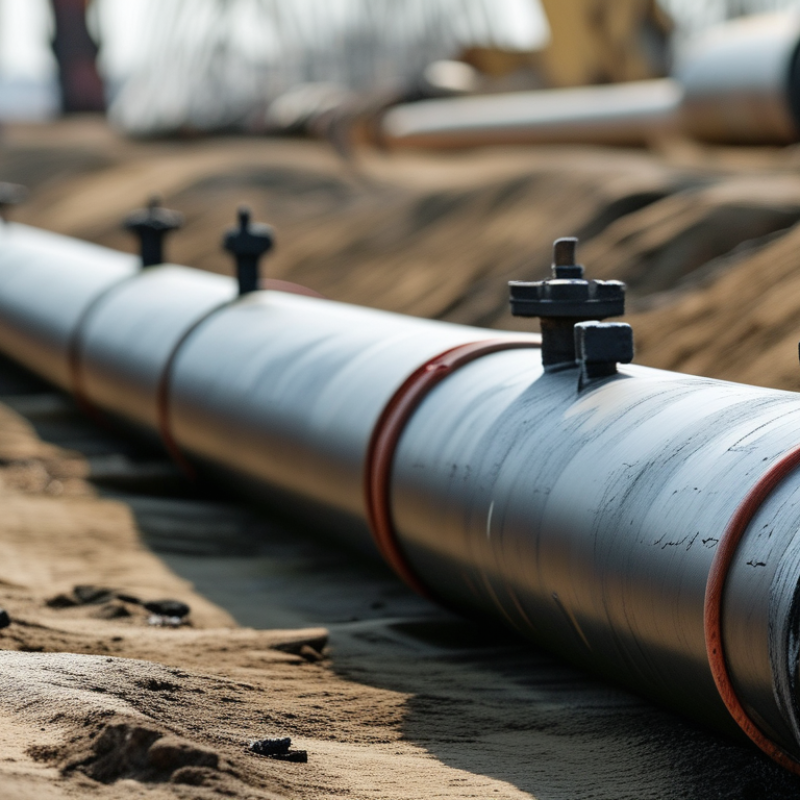
Understanding the Different Types of Pipes Used in Oil and Gas
Choosing the right pipes for the oil and gas industry is crucial for safety and efficiency. Different types of pipes serve unique purposes. Carbon steel pipes are common in oil transport due to their strength and durability. According to a 2022 industry report, carbon steel can withstand high pressures and temperatures typical in oil fields. However, they may corrode over time if not properly maintained.
Stainless steel pipes are another option, often used in corrosive environments. They offer better resistance to rust and decay. A study from the American Society of Mechanical Engineers noted that about 50% of piping failures occur due to corrosion. This highlights the importance of selecting materials based on environmental factors. In some cases, the initial cost may be lower, but long-term maintenance can lead to higher expenses.
It's essential to consider the specific conditions of each project. This includes temperature variations and exposure to chemicals. Newer materials, such as composite or alloy pipes, are gaining popularity. While they can be more expensive upfront, their longevity and reduced maintenance needs may justify the cost. Industries must balance initial investment with potential savings to ensure sustainable operations.
Evaluating Material Properties for Oil and Gas Pipeline Applications
When selecting pipes for the oil and gas industry, understanding material properties is crucial. The pipeline must withstand high pressure and corrosive environments. For this, common materials include carbon steel, stainless steel, and composite materials. Each choice has its strengths and weaknesses. Carbon steel is cost-effective, yet may rust over time. Stainless steel offers superior corrosion resistance but costs more. Composite materials, while lightweight and resistant, can be less durable.
Evaluating these materials requires rigorous testing. Factors such as tensile strength, fatigue resistance, and temperature tolerance are essential. A material that performs well under one condition may fail in another. It’s vital to test how a material reacts to various fluids, pressures, and temperatures. Failure to consider these can lead to costly leaks or failures.
In many cases, companies prioritize cost over quality. This can be a dangerous oversight. Investing time in understanding each material's properties often pays off. Engineers should collaborate closely with suppliers to evaluate options. Real-world examples show that informed decisions lead to safer and more reliable systems.
How to Choose the Right Pipes for Oil and Gas Industry? - Evaluating Material Properties for Oil and Gas Pipeline Applications
| Pipe Material |
Yield Strength (MPa) |
Durability |
Corrosion Resistance |
Cost per Meter |
| Carbon Steel |
350 |
Moderate |
Low |
$15 |
| Stainless Steel |
520 |
High |
High |
$50 |
| PVC |
55 |
Low |
Moderate |
$5 |
| Ductile Iron |
400 |
High |
Moderate |
$20 |
| HDPE |
30 |
Moderate |
Very High |
$10 |
Determining Pipe Sizing and Pressure Requirements
When determining pipe sizing and pressure requirements for the oil and gas industry, several factors must be considered. The fluid's properties, such as viscosity and density, significantly impact flow behavior. Using the right equations, engineers can calculate the required diameter of pipes to maintain optimal flow rates. If a pipe is too small, it can lead to increased pressure drops, resulting in inefficiencies and potential failures.
Pressure ratings play a vital role in selecting pipes. Each pipe material has a maximum pressure threshold. Engineers must ensure that the chosen pipes can withstand the pressure generated by the fluid and operational processes. A miscalculated pressure requirement could lead to catastrophic failures. It is crucial to account for safety factors and environmental conditions that may influence pressure levels.
Choosing the right pipe sizing and pressure requirements involves careful consideration. Often, engineers must balance cost, durability, and safety. Mistakes in this process can be costly, leading to leaks or system shutdowns. Regular reviews and consultations with experienced professionals can mitigate these risks. Adapting designs based on real-world conditions and feedback is essential for creating reliable systems.
Assessing Environmental and Regulatory Considerations in Pipe Selection
When selecting pipes for the oil and gas industry, environmental and regulatory considerations are paramount. Various regulations dictate material choices, pressurization, and safety standards. Companies must stay compliant with local, national, and international laws. This includes assessing the environmental impact of pipe production and usage. By understanding these regulations, organizations can enhance their sustainability efforts.
Tips: Engage with environmental experts. Their insights can help navigate complex regulations. Conduct comprehensive life-cycle assessments for each pipe material. This helps to foresee potential environmental issues and promotes responsible sourcing.
Choosing the right pipe materials can be a challenge. Factors like corrosion resistance and thermal stability play critical roles. Additionally, pipe selection should consider the specific locations where they will be installed. Some regions may require higher durability materials due to harsh weather conditions. Regular reviews of these requirements can improve project outcomes significantly.
Tips: Invest in training for team members on environmental regulations. Ensure that everyone understands compliance obligations. Foster a culture of continual improvement to adapt to new environmental challenges.
Cost Analysis and Lifecycle Considerations for Pipeline Investment
When selecting pipes for the oil and gas industry, cost analysis and lifecycle considerations are crucial. According to industry reports, the initial investment in pipeline construction can be significant, often exceeding millions of dollars. However, the total cost of ownership goes beyond initial expenditures. Maintenance, operational efficiency, and lifespans of materials are essential to consider. Depending on the material chosen, costs can vary widely; for instance, carbon steel pipes may cost nearly 20% less than stainless steel alternatives, but their longevity can differ drastically.
Lifecycle analysis often reveals that while cheaper materials may reduce upfront costs, they could lead to higher long-term expenses due to frequent repairs. For example, a study by the American Society of Civil Engineers indicates a potential 30% increase in maintenance costs for pipelines made from lower-quality materials. Recognizing the right balance between initial cost and long-term durability is vital.
Tips: Choose materials based on specific environmental conditions. Assess factors like corrosion and temperature. Also, evaluate the possibility of unforeseen expenses. Investing in higher-quality materials may seem costly at first. However, it can save considerable amounts in the long run, enhancing reliability and performance. Don't overlook the importance of ongoing inspections and necessary upgrades to extend a pipeline's lifespan.
FAQS
: Common types include carbon steel, stainless steel, and composite materials. Each has unique properties suitable for specific needs.
Material selection affects durability, safety, and maintenance costs. Poor choices can lead to failures and expensive leaks.
Carbon steel pipes are cost-effective and strong. However, they may corrode over time without proper maintenance.
Stainless steel offers better corrosion resistance but is typically more expensive. It’s a good choice for harsh environments.
Environmental factors and regulations significantly impact material choice. Compliance is crucial for sustainability and safety.
Composite materials are lightweight and resistant to corrosion. They may have higher upfront costs but necessitate less maintenance.
Rigorous testing for tensile strength, fatigue resistance, and temperature tolerance is essential before making a selection.
Engage with environmental experts and conduct life-cycle assessments of materials to navigate complex regulations effectively.
Factors like temperature variations, exposure to chemicals, and installation locations can greatly affect system longevity.
While it’s tempting, prioritizing cost can lead to dangerous oversights. Long-term quality investments often result in better outcomes.
Conclusion
When considering how to select pipes for the oil and gas industry, it is essential to understand the various types of pipes available, each designed to meet specific operational needs. Evaluating the material properties of these pipes is crucial, as they must withstand harsh conditions and corrosive environments typical of oil and gas applications. Additionally, determining the appropriate pipe sizing and pressure requirements ensures the systems operate efficiently and safely.
Environmental and regulatory factors also play a significant role in pipe selection, as compliance with standards is critical for minimizing ecological impact. Finally, conducting a cost analysis and understanding lifecycle considerations for pipeline investment help in making informed decisions that balance performance and economic viability. Properly addressing these factors guides industry stakeholders in selecting the right pipes to support sustainable operations.

 Dactron Pipe