Choosing the right coatings for steel pipes is crucial for long-term durability. Steel pipes are widely used in various industries, where they face harsh environments. Corrosion and wear can lead to significant damage and costly repairs. This raises an important question: what coatings are used for steel pipes?
Different types of coatings offer varying levels of protection. For example, epoxy coatings provide excellent resistance to corrosion and chemicals. On the other hand, polyurethane coatings offer a flexible layer that can withstand physical damage. It's not only about selecting a coating but understanding the specific needs of your project. Without careful selection, the wrong coating can lead to premature failure.
Attention to details is vital. Examine the operating conditions, such as temperature and exposure to chemicals. Not every coating is perfect for every situation. Some coatings may perform well in one environment but fail in another. Reflecting on these aspects ensures more reliable choices.
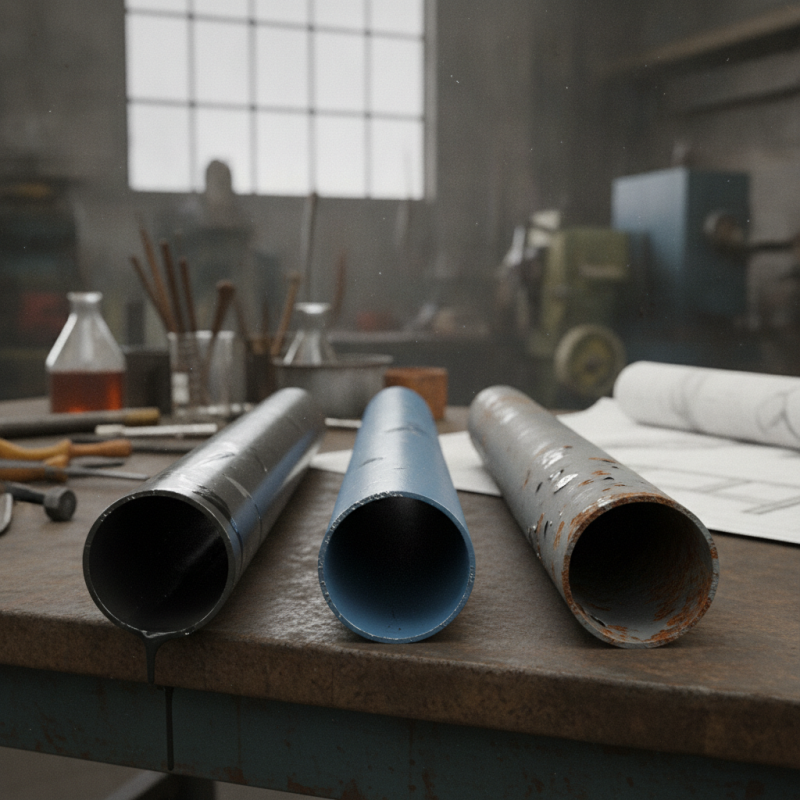
Factors Influencing the Selection of Coatings for Steel Pipes
Choosing the right coatings for steel pipes is crucial for durability. Several factors influence this selection process.
One key factor is the environment where the pipes will be used. For example, in coastal areas, saltwater exposure can lead to increased corrosion.
According to a report from the National Association of Corrosion Engineers (NACE), corrosion can cost industries over $276 billion annually in the U.S. alone.
Another important factor is the temperature range of the application. High-temperature operations may require coatings that can endure thermal expansion without cracking.
Data from the American Society of Mechanical Engineers (ASME) indicates that coatings can lose their effectiveness at temperatures above 200 degrees Celsius.
Abrasion resistance is also vital if the pipes are subjected to mechanical wear. Advanced coatings can improve this durability.
The choice between organic and inorganic coatings presents another layer of complexity. Organic coatings generally offer better flexibility,
while inorganic coatings excel in high-temperature resistance. Each option has its drawbacks, demonstrating the need for thorough evaluation.
With various methodologies and internal testing dedicated to different applications, it is essential to conduct proper assessments before finalizing a coating.
This ensures that choices are made based on empirical data, tailored for specific operational conditions.
Types of Coatings Used for Steel Pipes: A Comparative Analysis
When selecting coatings for steel pipes, understanding the types available is crucial. Various coatings serve different purposes, impacting durability and performance. Epoxy coatings are popular due to their excellent corrosion resistance. They form a robust barrier against moisture and chemicals. However, their application can be tricky, often requiring a precise surface prep. If not done properly, the adhesion may fail, leading to premature degradation.
Another option is polyurethane coatings. These are strong and flexible, offering good resistance to abrasion and UV light. This flexibility makes them suitable for varied environments. Yet, they can be more expensive. Additionally, their curing time can be longer, posing challenges in fast-paced projects. If budget constraints are an issue, this might require reconsideration.
Finally, zinc-rich primers offer cathodic protection. They are often used as a base coat before applying additional layers. However, they are less effective when exposed to extreme conditions over time. Choosing the right coating demands careful consideration of these factors. Reflecting on past projects can help identify which coatings have performed well. Understanding limitations helps in making informed decisions for future applications.
Key Performance Metrics: Evaluating Durability of Pipe Coatings
When evaluating the durability of pipe coatings, a few key performance metrics come into play.
Resistance to corrosion is critical.
Steel pipes are prone to rust, especially in moist environments. A good coating should provide a barrier against moisture and chemicals.
Resistance to abrasion is also important. Pipes can face physical wear, and coatings must withstand this stress.
If not, the pipe’s lifespan will shorten, leading to costly repairs.
Adhesion strength plays another vital role.
The coating should firmly bond with the steel surface to prevent peeling. Poor adhesion can lead to premature failure.
Environmental factors should be considered, too. A coating might perform well in one climate but fail in another.
Temperature fluctuations and UV exposure can degrade coatings over time.
Lastly, ease of application contributes to durability.
Some coatings require complex processes, which may lead to application errors. This can affect the performance metrics.
It’s essential to choose a coating product with a straightforward application method.
Reliable testing methods are available to measure these metrics.
Engaging with experts in coating technologies is advisable.
They can provide insights that help ensure a longer lifespan for your steel pipes.
Industry Standards and Regulations Impacting Coating Choices
Choosing the right coating for steel pipes involves understanding industry standards and regulations. The American Society for Testing and Materials (ASTM) sets key parameters for protective coatings. Their guidelines help ensure that coatings meet specific performance criteria. These criteria include resistance to corrosion, durability, and environmental impact.
Moreover, various regulatory frameworks, like the Environmental Protection Agency (EPA) standards, influence coating selection. For instance, coatings must comply with VOC regulations. High VOC levels can lead to environmental concerns. Some reports suggest that non-compliant coatings pose a risk to air quality.
Industry experts emphasize the importance of selecting coatings that adhere to these standards. It can prolong the lifespan of steel pipes. However, many professionals overlook compliance factors. This can lead to costly repairs and replacements. Evaluating these regulations early in the coating process helps mitigate future issues.
Understanding the standards will enhance project reliability and sustainability.
Maintenance and Lifecycle Considerations for Coated Steel Pipes
Coated steel pipes have become crucial in various industries. Proper maintenance is vital to ensure their durability. According to a 2022 report from the American Society of Mechanical Engineers, regular inspections can prevent costly failures. Coatings can degrade due to environmental factors. Over time, UV exposure and moisture can lead to degradation.
Lifecycle considerations are crucial. Studies show that coated pipes can last 20 to 50 years with proper care. However, neglect can reduce their lifespan dramatically. For instance, an unmaintained pipe may develop rust within just a few years. Timely repairs can save thousands in replacement costs.
Employees should be trained to recognize early signs of wear and tear. Ignoring minor issues can lead to significant failures. Regular maintenance checks should include assessing the integrity of the coating. Knowing when to recoat or touch up is essential. Tracking the maintenance history of coating materials helps in making informed decisions about replacements or repairs.
Durability of Coatings for Steel Pipes Based on Maintenance Frequency
FAQS
: Resistance to corrosion is essential for protecting steel pipes from rust.
Strong adhesion prevents peeling and premature failure of the coating.
Different climates can lead to varying performance. Temperature and UV exposure can degrade coatings.
Simple application methods reduce the risk of errors that could affect performance.
Regular inspections are vital. They help prevent costly failures due to coating degradation.
Coated pipes can last between 20 to 50 years if they are well maintained.
An unmaintained pipe can develop rust within just a few years, shortening its lifespan.
Employees should identify early signs of wear and tear to avoid significant failures.
Checks should assess the coating's integrity and determine when to recoat or repair.
It helps make informed decisions about future replacements or repairs based on the coating's condition.
Conclusion
Choosing the right coatings for steel pipes is crucial to ensure their durability and longevity in various environments. Several factors influence this selection, including the operating conditions, exposure to corrosive elements, and the intended application of the pipes. A comparative analysis of different types of coatings, such as epoxy, polyurethane, and galvanization, reveals their respective advantages and limitations, guiding users in understanding what coatings are used for steel pipes based on specific needs.
Key performance metrics, including adhesion, resistance to abrasion, and chemical compatibility, play a significant role in evaluating the durability of these coatings. Furthermore, industry standards and regulations must be considered, as they set benchmarks for quality and safety. Lastly, maintenance and lifecycle considerations are essential for ensuring the long-term performance of coated steel pipes, underscoring the importance of selecting the right coatings to maximize their lifespan in challenging environments.

 Dactron Pipe