Choosing the right type of steel for your project can significantly impact performance and longevity. Carbon steel and alloy steel are commonly used options, but what is the difference between carbon steel and alloy steel? Industry data shows that carbon steel accounts for over 50% of global steel production. It's favored for its strength and cost-effectiveness. However, alloy steel offers enhanced properties due to the addition of other elements.
According to a recent report by the World Steel Association, alloy steels can improve wear resistance and toughness. These traits can be essential for demanding applications. But, many may overlook the importance of these differences. Understanding the properties of both steel types is crucial for effective decision-making. Without proper knowledge, selecting the inadequate steel type can lead to equipment failures.
In conclusion, weighing the pros and cons of carbon steel and alloy steel is key. Consider the specific requirements of your project. A well-informed choice can lead to better durability and performance. Always reflect on how your choice impacts both the environment and the budget. Further research is encouraged to ensure the best selection.
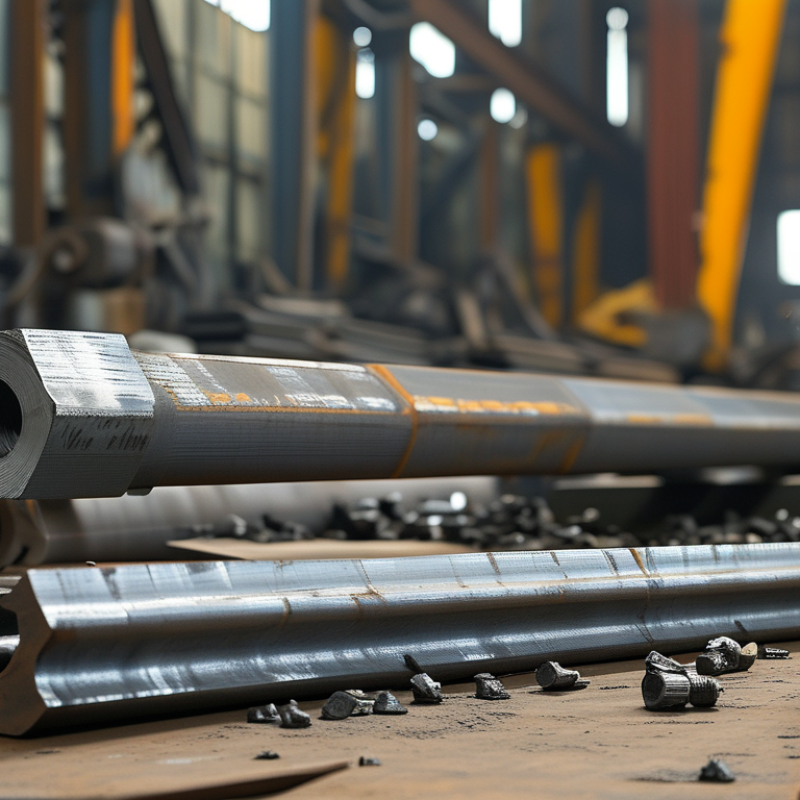
When choosing between carbon steel and alloy steel, understanding their basics is crucial. Carbon steel primarily consists of iron and carbon. Its carbon content affects hardness and strength. Low-carbon steel offers ductility, making it suitable for forming. High-carbon steel, on the other hand, provides excellent edge retention, ideal for cutting tools.
Alloy steel contains additional elements like manganese, chromium, or nickel. These elements enhance specific properties. For instance, manganese improves toughness, while chromium increases corrosion resistance. This versatility allows alloy steel to perform well in demanding applications. However, the added complexity may lead to dilemmas during selection.
Both steel types offer unique strengths and weaknesses. Carbon steel is generally more affordable and easy to work with. Alloy steel can be more expensive but provides enhanced performance. It’s essential to reflect on the requirements of your project. Sometimes, a simpler option may yield better results. Consider your objectives carefully before making a choice.
When selecting between carbon steel and alloy steel, understanding their key differences is essential. Carbon steel primarily includes iron and carbon. Its composition allows for various grades. Higher carbon content results in increased hardness and strength. However, too much carbon can make the steel brittle.
On the other hand, alloy steel incorporates elements like chromium, nickel, or molybdenum. These additions enhance specific properties. For instance, chromium improves corrosion resistance, while nickel boosts toughness. While alloy steel can be more expensive, its versatility for demanding applications often justifies the cost.
In practical applications, the choice depends on intended use. If you need material for heavy machinery, alloy steel may be the better option. However, for projects requiring basic strength, carbon steel might suffice. Weighing the benefits and limitations of each type is crucial. Users should consider their requirements carefully without overlooking the potential drawbacks of either material.
When it comes to selecting between carbon steel and alloy steel, understanding their properties is vital. Carbon steel typically has higher hardness and strength. However, it can be more prone to rust. Meanwhile, alloy steel has enhanced properties due to the addition of elements like chromium or nickel. These additions can improve strength and corrosion resistance.
Cost is another crucial factor. Carbon steel often comes at a lower price point than alloy steel. But if performance is more important, the initial cost of alloy steel may be justified. Think about the purpose of the material. For heavy-duty applications, alloy steel may offer longevity and reliability. Special requirements, like resistance to extreme temperatures, may also dictate your choice.
You should also consider the availability and ease of fabrication. Carbon steel is commonly found and easier to manipulate. However, alloy steel often requires specialized tools and techniques for processing. These factors can complicate projects and lead to delays. Weighing these details will help inform a more tailored choice suitable for specific needs.
| Factor | Carbon Steel | Alloy Steel |
|---|---|---|
| Cost | Generally less expensive | Higher due to alloying elements |
| Strength | Moderate strength | High strength and toughness |
| Corrosion Resistance | Low | Can be improved with alloying |
| Weldability | Good | Varies with alloying elements |
| Applications | Construction, automotive parts | Aerospace, high-performance machinery |
When comparing carbon steel and alloy steel, understanding their applications is crucial. Carbon steel is widely used in construction. It is favored for its strength and durability. Builders often choose it for structural beams and reinforcements. Also, carbon steel is common in manufacturing tools and machinery due to its rigidity. However, its performance can degrade in corrosive environments.
Alloy steel, on the other hand, offers enhanced properties. Its composition includes other elements like chromium and nickel. This makes it suitable for high-stress applications. For example, it is often used in automotive parts and heavy machinery. These elements improve wear resistance and toughness. Yet, the complexity in its production can lead to inconsistencies. Engineers must carefully select the type of alloy steel for specific tasks.
Both types of steel have their own strengths and weaknesses. Carbon steel might be more affordable but may require additional coatings for rust protection. Alloy steel can be more expensive yet provides better performance in harsh conditions. The decision should be guided by the specific requirements of the project. Each choice has implications that necessitate thorough consideration.
When considering the cost of carbon steel versus alloy steel, it's essential to analyze various factors. Carbon steel is generally less expensive than alloy steel. This affordability makes it a popular choice for many applications, particularly in construction and manufacturing. For projects on a tight budget, carbon steel may provide a suitable solution without sacrificing too much quality.
However, alloy steel can offer significant performance benefits that justify its higher cost. Its composition includes various elements that enhance strength and durability. This comes in handy for industries demanding superior properties, such as aerospace or automotive. While the initial price is higher, the long-term savings from reduced maintenance or failure might balance the scale.
It is crucial to evaluate not only the purchase price but also the total cost of ownership. Sometimes, opting for a cheaper material can lead to costly repairs in the future. Reflecting on potential risks and long-term needs will guide the decision. Finding the right balance between cost and performance can be challenging, requiring careful consideration of specific project demands.
: Carbon steel mainly consists of iron and carbon.
Low-carbon steel offers ductility, making it easy to shape.
Alloy steel contains additional elements like manganese, chromium, or nickel.
Chromium improves the corrosion resistance of alloy steel.
Carbon steel is generally less expensive than alloy steel.
Alloy steel offers performance benefits that can justify the higher price.
Reflect on your project requirements and performance needs carefully.
Yes, cheaper materials may require costly repairs later on.
Total costs include purchase price and potential maintenance expenses.
Sometimes, a simpler option can yield satisfactory results.
Choosing between carbon steel and alloy steel requires an understanding of their fundamental characteristics. Carbon steel primarily consists of iron and carbon, while alloy steel includes additional elements that enhance its properties. The key differences between carbon steel and alloy steel involve composition, strength, and application suitability. When selecting between these types, factors such as mechanical properties, intended use, and environmental conditions must be considered.
In terms of applications, carbon steel is often preferred for basic structural uses, while alloy steel is favored in demanding environments due to its enhanced durability and resistance to wear and corrosion. Cost considerations also play a significant role, as alloy steels tend to be more expensive due to their complexity and unique attributes. Ultimately, understanding what is the difference between carbon steel and alloy steel will aid in making informed decisions for specific projects.

Dactron Pipe