When it comes to how to store steel pipes properly, expert Jason Miller, a materials management consultant, emphasizes, "Proper storage can prevent costly damage and ensure longevity." Steel pipes are widely used across various industries, making their storage critical. Balancing the ideal conditions and practical solutions can be challenging.
One of the key factors is the environment. Steel pipes must be kept away from moisture. Humid conditions can lead to rust and corrosion. Adequate ventilation is equally essential. Keeping the pipes stacked in a way that allows air circulation is vital to maintain their condition. Think about using pallets or racks for effective space utilization.
Despite the importance of proper storage methods, many overlook common mistakes. Often, pipes are stored haphazardly, leading to unnecessary damage. Education on how to store steel pipes properly is essential for anyone dealing with these materials. Understanding the principles of storage can significantly extend the life of steel pipes and improve overall project efficiency.
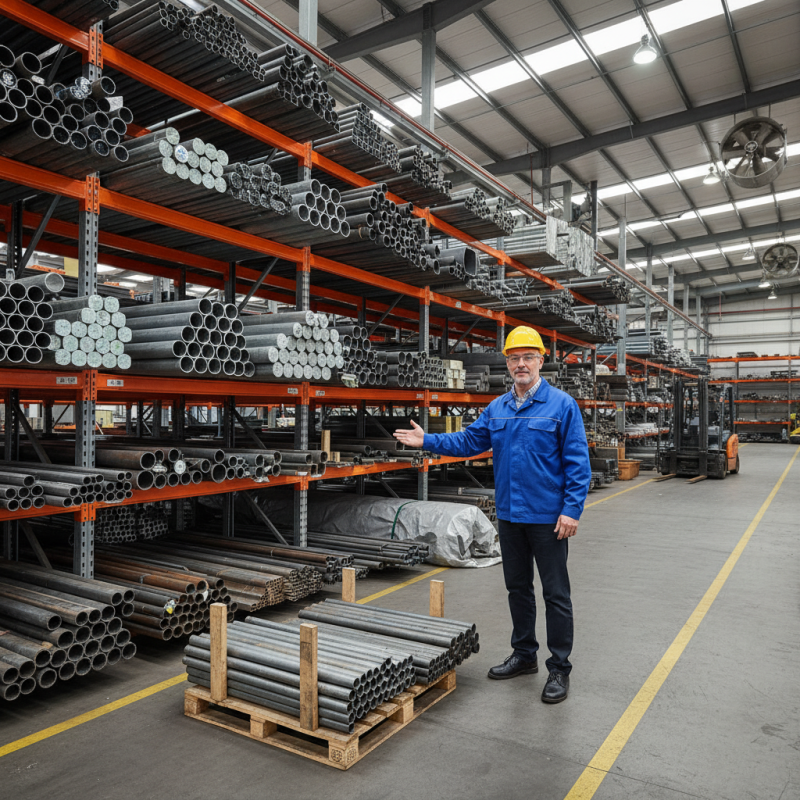
Storing steel pipes correctly is crucial for their longevity and integrity. Proper storage begins with selecting a clean, dry area. Moisture is a major enemy that can lead to rust. Pipes should be stored on elevated racks to prevent contact with the ground. This helps avoid water accumulation and dirt buildup, which can cause corrosion.
It's essential to maintain organized storage. Pipes can easily become damaged if they're stacked haphazardly. Proper labeling of each pipe type and size can save time and prevent confusion. The ideal angle for stacking is horizontal, as it distributes weight evenly and reduces stress points. Ensure pipes are bundled tightly but not overly compressed; this can lead to deformation.
Regular checks should be implemented to monitor the storage conditions. Look for signs of moisture or pests. Operators should be trained to follow safety guidelines while handling pipes. It's a simple action but vital to prevent potential injuries. This shows the importance of reviewing procedures periodically, ensuring that storage practices align with industry standards.
When storing steel pipes, the right environment is crucial for longevity. Temperature and humidity play significant roles in preventing rust and corrosion. According to industry reports, steel pipes stored in environments with relative humidity above 70% are at a higher risk of moisture-related damage. Ideally, the storage temperature should be stable, ideally between 50°F to 80°F. Fluctuations can lead to condensation on pipes.
Proper ventilation is another critical factor. A well-ventilated area reduces humidity levels and facilitates air circulation. Using dehumidifiers can help maintain optimal conditions. However, not all storage facilities have these advanced systems. Some may rely on basic ventilation, which might not be sufficient.
It's also essential to monitor the storage conditions regularly. Sensors and data loggers can track temperature and humidity levels. For example, a study indicated that 30% of businesses fail to maintain adequate monitoring systems, leading to unexpected corrosion issues. The importance of ongoing assessments cannot be overstated. Ignoring the environment can result in costly repairs and wasted materials.
| Storage Method | Environment | Ideal Temperature (°C) | Ideal Humidity (%) | Notes |
|---|---|---|---|---|
| Indoor Storage | Dry Warehouse | 15 - 25 | 30 - 50 | Protects pipes from rain and humidity |
| Outdoor Storage | Under a Shelter | 10 - 20 | 40 - 60 | Cover to protect from elements |
| Vertical Stacking | Indoor | 15 - 25 | 30 - 50 | Minimizes floor space usage |
| Horizontal Stacking | Indoor/Outdoor | 10 - 20 | 40 - 60 | Use pallets to keep off ground |
| Use of End Caps | Indoor | Not Applicable | Not Applicable | Prevents debris from entering |
| Regular Inspection | Storage Area | 15 - 25 | 30 - 50 | Identify corrosion early |
| Use of Protective Coatings | Indoor | 15 - 25 | 30 - 50 | Prevents rust and degradation |
| Use of Spacers | Indoor/Outdoor | 15 - 25 | 30 - 50 | Allows airflow between pipes |
| Control Moisture | Storage Location | 15 - 20 | 40 - 60 | Use dehumidifiers if needed |
Proper racking systems are crucial for steel pipe storage safety. Studies show that improper storage can lead to workplace injuries and product damage. Steel pipes, due to their weight and size, require careful consideration when being stored. A well-designed racking system ensures that pipes are securely held in place, reducing the risk of tipping or falling.
One effective strategy is vertical racking. This method saves space and promotes organization. Vertical racks can be customized to fit various pipe lengths, preventing them from rolling over. According to industry reports, organizations that implement vertical storage solutions see a 30% decrease in workplace accidents.
Tip: Always label the pipes clearly in your racking system. This prevents confusion during retrieval and increases efficiency. Proper labeling also helps in tracking inventory, minimizing loss.
Ensure your racking systems adhere to safety standards. Pipes should be stored in a way that allows easy access. Complicated setups increase the chances of mistakes. Regularly inspect racks for wear and stability, as even small defects can lead to significant hazards. Address these imperfections promptly to maintain a safe environment.
Protecting steel pipes from corrosion is vital for their longevity. One effective method involves applying protective coatings. These coatings create a barrier against moisture and chemicals that can lead to rust and deterioration. A well-applied coating not only enhances durability but also improves the visual appeal of the pipes.
When selecting a coating, consider the environment where the pipes will be stored. A humid area may require a different solution compared to a dry location. There are various types of coatings available, including epoxy and polyurethane. Each type comes with its own benefits and drawbacks. It's essential to follow the manufacturer's application guidelines carefully. Not every application will turn out perfectly. Sometimes, surface preparation can be overlooked, leading to imperfect adhesion.
Routine inspections can help identify any areas where the coating has failed. Regular maintenance should be a part of the storage strategy. Addressing issues as they arise can save time and resources in the long run. Remember, each situation is unique, requiring tailored solutions for optimal protection.
Regular inspection and maintenance of stored steel pipes is crucial for ensuring their longevity and usability. Over time, environmental factors can lead to corrosion, rust, and other forms of deterioration. According to industry reports, about 20% of steel pipes fail due to improper storage and lack of maintenance. To mitigate this risk, developing a robust inspection protocol is essential.
One effective strategy is to schedule regular inspections every three months. During these inspections, check for signs of rust or corrosion. Additionally, assess the storage conditions such as humidity and temperature. Keep records of your inspections. This data can help identify patterns and areas needing attention.
Tips: Use protective coatings on the pipes to prevent rust. Store pipes off the ground on racks to avoid direct contact with moisture. Regularly cleaning the pipes can also help maintain their integrity. Remember, early detection of issues can save time and costs.
Maintain an organized storage area. Clearly label sections to indicate the condition of the pipes. This practice not only enhances safety but also facilitates better management of your inventory. Reflecting on your current practices is key to improving safety and efficiency in your storage operations.
This chart represents the effectiveness of various storage methods for steel pipes, based on their durability and ease of maintenance. The methods are ranked based on their overall performance:
: Proper racking prevents workplace injuries and damage. It secures heavy pipes, reducing the risk of falling.
Vertical racking saves space and organizes pipes effectively. It keeps pipes stable and prevents rolling.
Clear labeling prevents confusion. It aids in efficient retrieval and inventory tracking.
Ensure easy access and avoid complicated setups. Complicated designs increase the chance of mistakes.
Regular inspections are essential. Even small defects can create hazards if not addressed promptly.
Protective coatings shield pipes from moisture and chemicals. They help prevent rust and improve appearance.
Consider the storage environment. Different areas, like humid or dry, may need specific coating types.
Surface preparation can be overlooked. This can lead to poor adhesion and imperfections.
Regular maintenance identifies coating failures early. Addressing issues saves time and resources later.
No, each situation is unique. Tailored solutions are necessary for optimal protection of steel pipes.
To ensure longevity and safety in steel pipe storage, understanding how to store steel pipes properly is essential. First, adhering to industry standards helps create a solid foundation for best practices. Selecting the right environment, characterized by controlled temperature and humidity, is crucial for preventing deterioration. Additionally, utilizing appropriate racking systems can enhance storage safety by providing stability and accessibility.
Furthermore, implementing protective coatings is vital to guard against corrosion, a common concern with steel materials. Regular inspection and maintenance protocols should be established to monitor the condition of stored pipes, ensuring any potential issues are identified and addressed promptly. By following these guidelines, you can effectively manage and preserve your steel pipes over time.

Dactron Pipe