Piping systems are critical in various industries, yet maintenance costs often escalate. Understanding how to reduce maintenance costs in piping systems is pivotal for operational efficiency. According to a study by the American Society of Mechanical Engineers (ASME), improper maintenance can lead to a 30% increase in costs over time. Such expenses can drain budgets and impact project timelines.
Regular maintenance, though essential, presents challenges. Many organizations struggle with outdated practices, often paying more for repairs than necessary. A report from the International Society of Automation (ISA) highlights that up to 50% of maintenance actions are unnecessary or redundant. Costly mistakes can occur without a strategic plan for continuous improvement.
Implementing modern techniques can mitigate these issues. Predictive maintenance, for example, utilizes data analytics to foresee potential failures, saving money and minimizing downtime. However, many businesses still hesitate to adopt new technologies. This reluctance can result in stagnant processes. Recognizing the benefits of innovation is crucial in today’s fast-paced environment. Ultimately, the goal is clear: find effective strategies to lower maintenance costs while ensuring safety and reliability in piping systems.
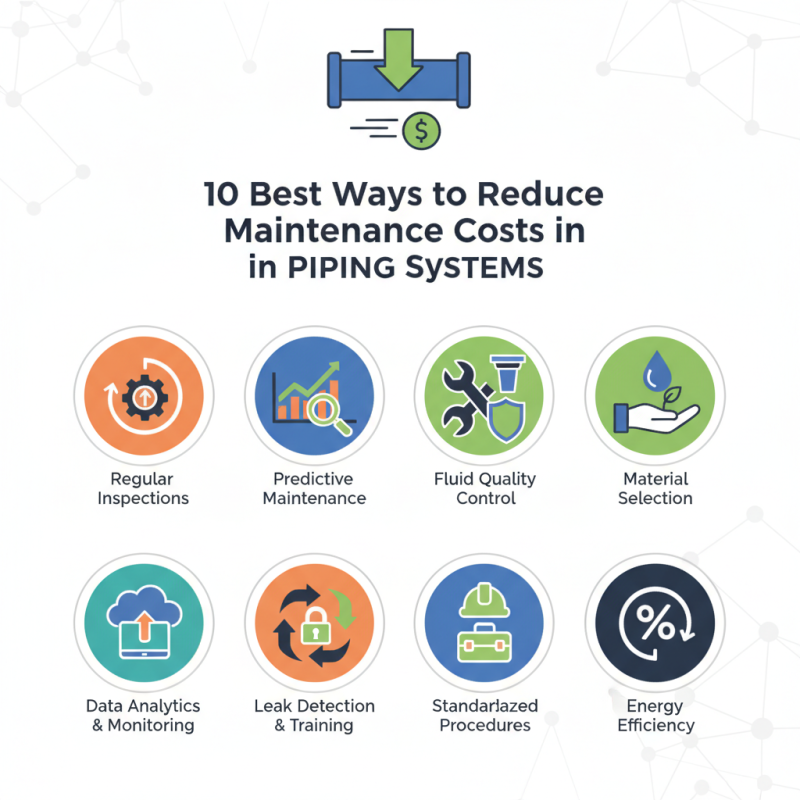
Assessing current maintenance practices in piping systems reveals significant insights into cost reduction. Many companies rely on outdated techniques, often overlooking the importance of regular assessments. Routine inspections, for instance, help identify leaks before they escalate into costly repairs. A hands-on approach can save resources. Implementing predictive maintenance based on real-time data can effectively prolong the lifespan of piping.
Moreover, staff training is crucial. Employees need updated knowledge regarding modern technologies. Trusting inexperienced personnel can result in oversight. It’s essential to foster a culture of continuous improvement. Encouraging feedback on maintenance tasks may uncover hidden inefficiencies. Facilities that prioritize communication often see increased reliability in their piping systems.
Documentation is another critical aspect often neglected. Keeping accurate records of maintenance activities promotes accountability. This practice can lead to improved decision-making and budgeting. Investing time in these records creates a reference for future projects. Regularly reviewing maintenance protocols might reveal patterns or recurring issues, highlighting areas for change. In this way, reflecting on current procedures can lead to more advantageous outcomes.
: Preventive maintenance involves regular inspections to identify potential issues before they escalate.
Inspections are recommended every six months to address wear and tear promptly.
Keeping a detailed log helps track performance and reveal recurring problems over time.
Technology provides real-time data for monitoring, but human insight is still crucial.
Regular training keeps technicians updated, allowing them to identify and fix issues early.
Hands-on workshops and simulations help staff practice real-life scenarios without risks.
Mentorship fosters knowledge sharing and diverse perspectives, enhancing problem-solving abilities.
Not all systems have advanced tools, leading to inefficiencies and overspending on repairs.
Proper analysis of monitoring data is essential; without it, tools may be underutilized.
Companies should assess their training investments; neglecting personnel can incur long-term costs.
Reducing maintenance costs in piping systems is essential for enhancing operational efficiency and minimizing expenses. First, a thorough assessment of current maintenance practices helps identify areas needing improvement and streamlines maintenance processes. Implementing preventive maintenance strategies can further reduce unexpected downtime and repair costs, fostering a more reliable piping system.
Utilizing advanced monitoring technologies provides real-time insights into the condition of piping systems, allowing for proactive maintenance and timely interventions. Additionally, investing in the training and development of maintenance personnel ensures they are equipped with the skills necessary to handle modern systems effectively. Finally, evaluating material choices for cost-effectiveness plays a crucial role in minimizing maintenance expenditures. By employing these strategies, organizations can effectively learn how to reduce maintenance costs in piping systems while maintaining system integrity and performance.

 Dactron Pipe