Understanding how steel pipes are manufactured is vital for various industries. This process involves several steps, each requiring specific skills and knowledge. From raw materials to the final product, each phase plays a crucial role in ensuring quality and durability.
The manufacturing of steel pipes typically begins with steelmaking. High-quality steel is produced, often using iron ore and scrap metal. The next phase includes forming the steel into pipes, which can be done through techniques such as extrusion or rolling. Throughout this, precision is key. Even small errors can lead to significant issues later.
Additionally, the manufacturing process encompasses welding and finishing. Effective welding ensures strong joints, while finishing processes enhance surface quality. It's essential to reflect on how these steps contribute to the overall reliability of steel pipes. By examining how steel pipes are manufactured, we can appreciate the complexity and craftsmanship involved in creating products that support modern infrastructure.
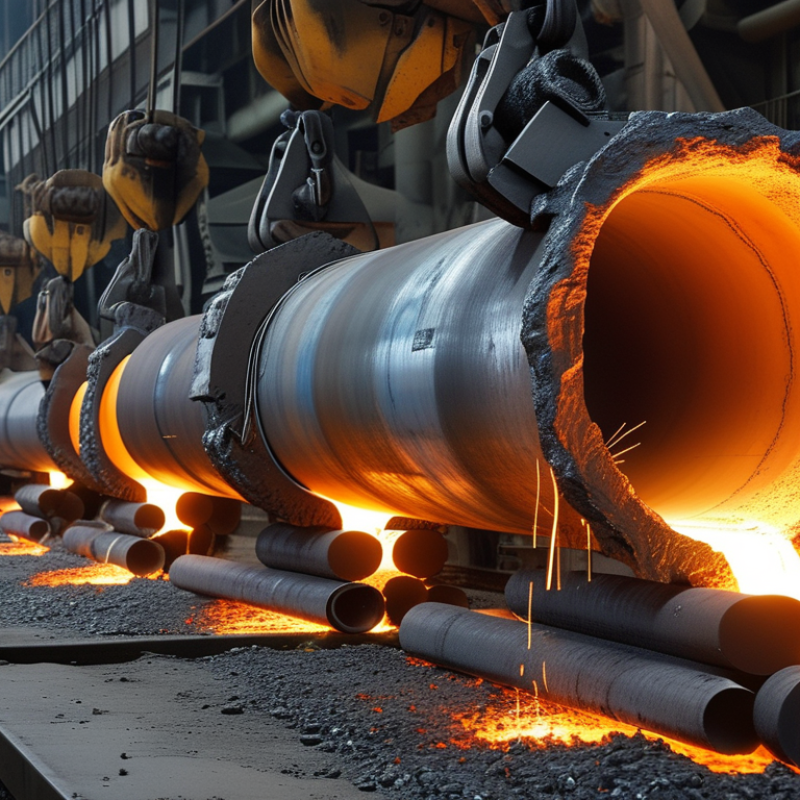
Understanding the Basics of Steel Pipe Manufacturing Processes
Steel pipe manufacturing is a complex process that combines various methods and techniques. At the core, understanding the basics helps appreciate the meticulous work involved. The journey begins with selecting raw materials. High-quality steel is crucial for producing durable pipes. Steel is then melted in a furnace, achieving the required molten state.
Once molten, the steel undergoes various forming processes. Continuous casting is a popular method. Here, steel is poured into a mold, cooling into a solid shape. This stage demands precision to maintain uniform thickness. After this, the pipes are welded, creating a strong bond. Quality checks are critical here. They ensure the pipes meet industry standards before moving to the next phase.
Heat treatment follows welding. This process enhances the pipe's strength and flexibility. It’s a vital step, but not without challenges. Improper heat application can lead to defects. Each stage of manufacturing requires skilled workers who oversee the processes. Their experience significantly impacts the final product's quality. Understanding these steps reveals the intricate balance between technology and craftsmanship in steel pipe production.
Key Materials and Equipment Used in Steel Pipe Production
Steel pipe production relies on specific materials and equipment. The primary material used is steel, which can be either carbon steel or alloy steel. The choice depends on the pipe’s intended use. Carbon steel, for instance, is commonly used for general applications due to its durability and cost-effectiveness. Alloy steels offer enhanced strength and are used in more demanding environments.
The manufacturing process involves several crucial pieces of equipment. A melting furnace is essential to convert raw materials into molten steel. Continuous casting machines then shape this steel into semi-finished forms. These forms undergo further processing in extruders or roll mills, which produce the desired pipe dimensions. Heat treatment processes, like annealing and quenching, enhance the steel's properties, making it suitable for various applications.
Despite advancements in technology, challenges remain in the production of steel pipes. Issues with material defects can arise, impacting the final product's quality. Operators must ensure precise control of temperatures and timings during manufacturing. Continuous improvement in processes and equipment is necessary for reliable production. This ongoing effort highlights the complexity of steel pipe manufacturing and the importance of experienced personnel in maintaining standards.
Step-by-Step Overview of the Steel Pipe Production Process
Steel pipes are essential in various industries, from construction to transportation. The production process is intricate and demands precision. Initially, raw materials like iron ore and scrap steel are melted in a furnace. This step produces molten steel, a crucial foundation for the pipes.
Once the molten steel reaches the desired temperature, it undergoes casting. The liquid steel is cast into slabs or billets, depending on the pipe's requirements. After cooling, these slabs are reheated and shaped through a series of rolling processes. According to recent industry reports, around 40% of global steel production is used for pipes, indicating their significance in the market.
The next phase involves welding and forming the pipes. For seamless pipes, the process is different, as it requires piercing the billets to generate a hollow tube. This step enhances integrity. However, not all pipes meet the stringent quality standards. Reports indicate that despite advancements, around 5% of pipes fail inspection due to flaws in welding or material inconsistencies. Regular assessments and modern technology can mitigate these issues, ensuring that pipes meet industry standards.
Quality Control Standards in the Steel Pipe Manufacturing Industry
The steel pipe manufacturing industry places great emphasis on quality control. Standards must be met at every stage of production. From raw materials to final products, each step needs careful monitoring. This ensures durability and performance in various applications.
Inspections often occur during the production process. Visual checks identify surface defects like cracks or corrosion. Advanced technology, such as ultrasonic testing, detects internal flaws. These methods help in maintaining consistency and reliability in the final product.
However, challenges remain. Variability in raw materials can affect quality. Manufacturers must adapt to new standards and regulations frequently. Continuous improvement is vital to meet the evolving market demands. Emphasizing quality control can lead to greater customer trust and satisfaction. Stakeholders must invest in training and development to uphold these standards.
Latest Innovations and Trends in Steel Pipe Manufacturing Techniques
The steel pipe manufacturing industry has seen significant advancements in recent years, driven by the demand for higher quality and more sustainable processes. According to a report by Mordor Intelligence, the global steel pipes market is projected to reach over $130 billion by 2026, highlighting the increasing necessity for innovative techniques. One emerging trend is the use of automated welding technology, which enhances precision and reduces waste. This has resulted in stronger joints and a decrease in production time.
Another noteworthy trend is the development of advanced materials. Traditional steel is being replaced or enhanced with high-strength alloys, allowing manufacturers to produce lighter and more durable pipes. The American Society for Testing and Materials states that these innovations can improve resilience against corrosion and fatigue. The enzymatic treatment processes, for example, show promise by increasing the longevity of steel pipes, which reduces the environmental impact over time.
Despite these advancements, challenges remain. Ensuring uniform quality across large batches can be difficult. Also, the need for skilled labor has not diminished, despite automation. Workers must understand both new technology and traditional processes. As manufacturers strive for efficiency, balancing innovation with craftsmanship is a complex undertaking, requiring ongoing evaluation and adaptation.
FAQS
: Raw materials include iron ore and scrap steel, which are melted to create molten steel.
The molten steel is cast into slabs or billets and then shaped through rolling processes.
Seamless pipes are made by piercing billets to create a hollow tube, enhancing structural integrity.
Quality control occurs at every production stage, involving careful monitoring and inspections.
Techniques like visual checks and ultrasonic testing are utilized to identify both surface and internal defects.
Variability in raw materials and evolving standards can impact the quality of steel pipes.
Yes, reports show about 5% of pipes fail inspections due to welding flaws or material inconsistencies.
Continuous improvement is crucial for meeting market demands and maintaining customer trust and satisfaction.
It helps identify defects early, ensuring durability and performance of the final steel pipe products.
Flaws in raw materials and inconsistent monitoring practices can compromise the reliability of steel pipes.
Conclusion
The article "2026 Best Guide on How Steel Pipes Are Manufactured" provides a comprehensive overview of the key aspects involved in the production of steel pipes. It begins by explaining the fundamental manufacturing processes, laying the groundwork for understanding how steel pipes are manufactured. The discussion includes the essential materials and equipment utilized in production, emphasizing their importance in achieving high-quality outputs.
Moreover, the article gives a step-by-step breakdown of the steel pipe production process, detailing each phase from raw material preparation to final inspection. Quality control standards are highlighted to ensure that the produced pipes meet industry requirements. Finally, it addresses the latest innovations and trends in manufacturing techniques, reflecting the ongoing advancements in the field. This guide serves as a valuable resource for anyone looking to gain insight into the intricacies of steel pipe manufacturing.

 Dactron Pipe